

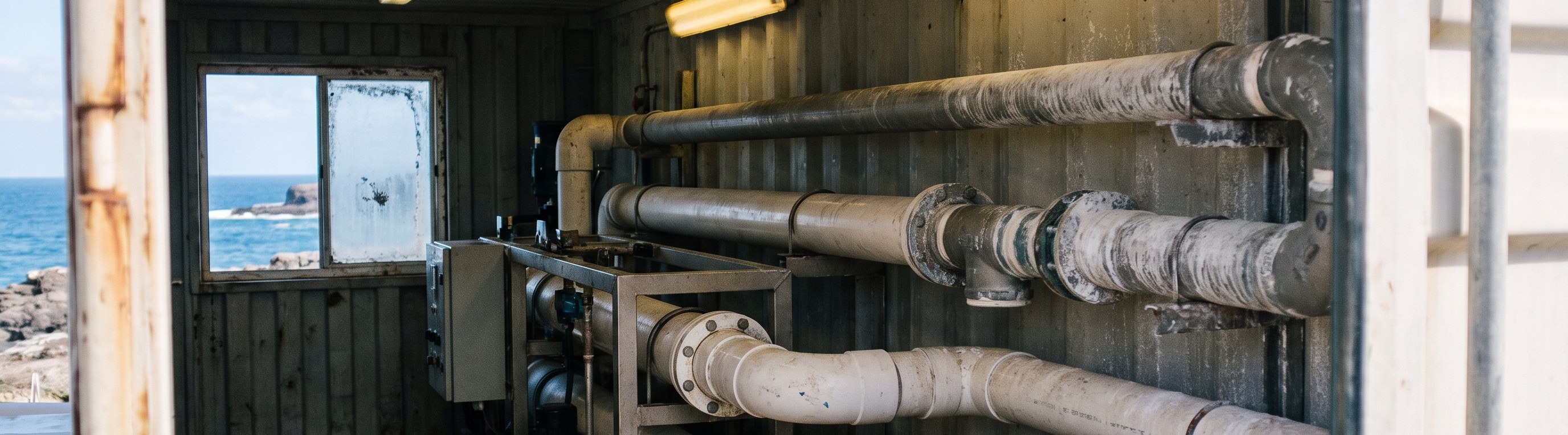
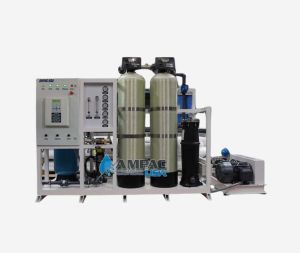
SW9000-LX land based seawater desalination system, 9000 GPD, provides fresh water for vessels & ships. | AMPAC USA
View details
SW10K-LX Land Based Seawater Desalination Watermaker by AMPAC USA provides 10,000 GPD for your water treatment needs. | AMPAC USA
View details
SW80K-LXC mobile seawater desalination watermaker. Fully packaged, containerized, and turnkey system for potable water | AMPAC USA
View details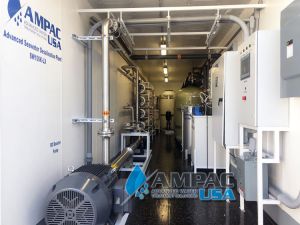
SW100K-LXC Mobile Seawater Desalination Plant is a containerized, turnkey watermaker for potable water production. | AMPAC USA
View details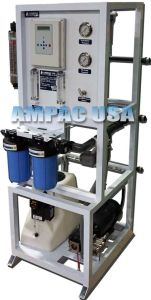
SW500-LC land-based seawater desalination watermaker: customizable, cost-effective, ready to ship for your water treatment needs | AMPAC USA
View details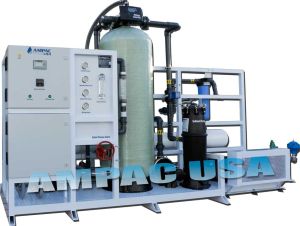
SW20K-LX land based seawater desalination watermaker provides 20,000 GPD for marine vessels. | AMPAC USA
View details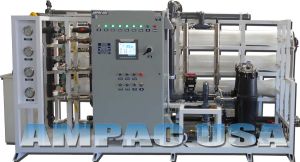
Get pure water with the SW80K-LX 80,000 GPD Land Based Sea Water Desalination Watermaker. | AMPAC USA
View details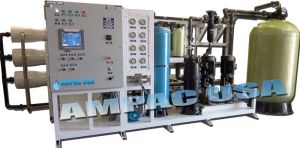
Land-based SW60K-LX seawater desalination watermaker provides 60,000 GPD pure water for large vessels & facilities. | AMPAC USA
View details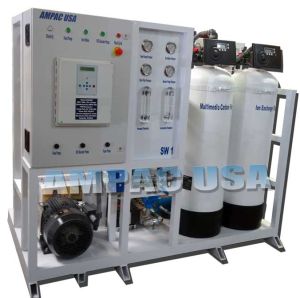
SW6000-LX Seawater Desalination Watermaker for land-based use, producing 6,000 GPD. Perfect for remote sites. | AMPAC USA
View details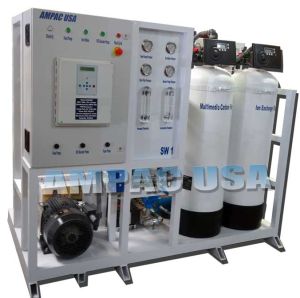
SW5000-LX land-based seawater desalination system produces 5000 GPD / 19,000 LPD of pure water. | AMPAC USA
View details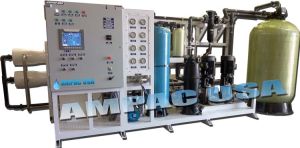
Land based seawater desalination watermaker SW40K-LX provides 40,000 GPD for vessels, ships, and boats | AMPAC USA
View details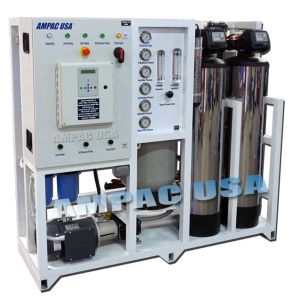
SW3000-LX land-based seawater desalination system provides 3000 GPD for large boats, ships, and various offshore vessels | AMPAC USA
View details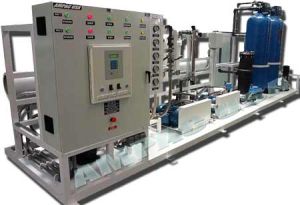
Dual 12,000 GPD seawater desalination watermakers on one skid for 24,000 GPD total. Model SW24000-LX. | AMPAC USA
View details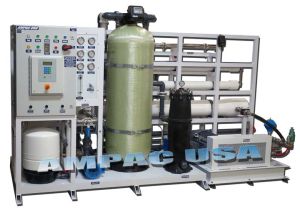
SW12000-LX Land Based Seawater Desalination Watermaker: 12,000 GPD / 45,000 LPD for large vessels & marine operations | AMPAC USA
View details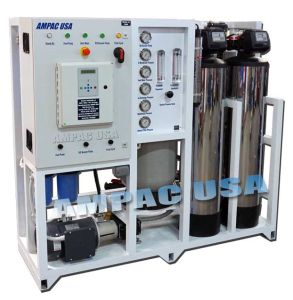
SW2000-LX Sea Water Desalination Watermaker for huge boats, ships, PSV, MPSV, and AHTS type vessels. | AMPAC USA
View details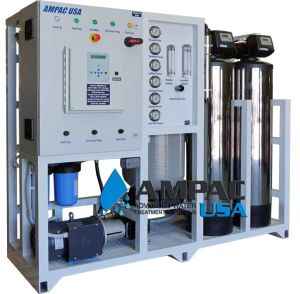
SW1500-LX land-based seawater desalination system makes ocean water drinkable for various uses. | AMPAC USA
View detailsFrequently Asked Questions
What capacity range does AMPAC USA cover for land-based seawater desalination plants?
Shore-based plants span from 10,000 GPD for small island or resort applications to multi-million GPD municipal systems. The modular design allows capacity to be added in 500,000 GPD increments as demand grows. Engineering, procurement, and commissioning services are available for turnkey delivery on plants of any size in this range.
How does energy recovery reduce operating costs in large desalination plants?
Energy recovery devices (ERDs) capture the pressure energy in the RO concentrate stream and transfer it to incoming feed water, cutting high-pressure pump energy consumption by 40 to 60 percent. For a 1 million GPD plant, this difference can exceed $200,000 per year in electricity savings. Isobaric pressure exchangers reach 97% energy transfer efficiency in large systems.
What pre-treatment is required before the RO membranes in a land-based plant?
Typical pre-treatment trains include intake screening, coagulation and flocculation, dissolved air flotation or media filtration, and 5-micron cartridge filtration immediately before the high-pressure pumps. Biocide dosing controls biological fouling. Antiscalant chemical injection prevents carbonate and sulfate scale on the membrane surface. Pre-treatment design is site-specific based on raw seawater analysis.
What post-treatment is needed to make desalinated water suitable for drinking or municipal use?
RO permeate is slightly acidic and stripped of minerals, so post-treatment typically includes CO2 stripping, lime or calcite contactor remineralization to restore calcium hardness to 80 to 100 mg/L as CaCO3, and pH adjustment to 7.5 to 8.5. Disinfection via chlorination or UV is the final step before distribution. This meets WHO and most national drinking water standards.
How long does a land-based desalination plant project take from order to commissioning?
Smaller plants in the 10,000 to 100,000 GPD range are typically manufactured, shipped, and commissioned within 16 to 24 weeks. Large municipal plants follow a detailed engineering and construction schedule, generally 12 to 36 months depending on civil works scope. AMPAC USA provides Gantt chart project schedules and milestone payment structures tied to delivery verification.
What operating pressure do land-based seawater RO systems require?
Seawater RO membranes require 800 to 1,000 PSI operating pressure for standard Mediterranean or ocean feed at 35,000 to 40,000 TDS. Warmer seawater, such as Red Sea or Arabian Gulf feed at 42,000 to 45,000 TDS, may require 950 to 1,100 PSI. High-efficiency vertical turbine and centrifugal pump options are sized to match site-specific feed conditions.