
Crude Oil Separation is built to order
These systems are engineered around your water conditions, flow rate and site, so we do not list generic units online. Request a quote and an engineer will call you to size a system for your application.
About Crude Oil Separation - Separate Crude Oil from Water
Sizing a system? Send your flow rate and a feed-water analysis, and an AMPAC engineer will work out the configuration with you.
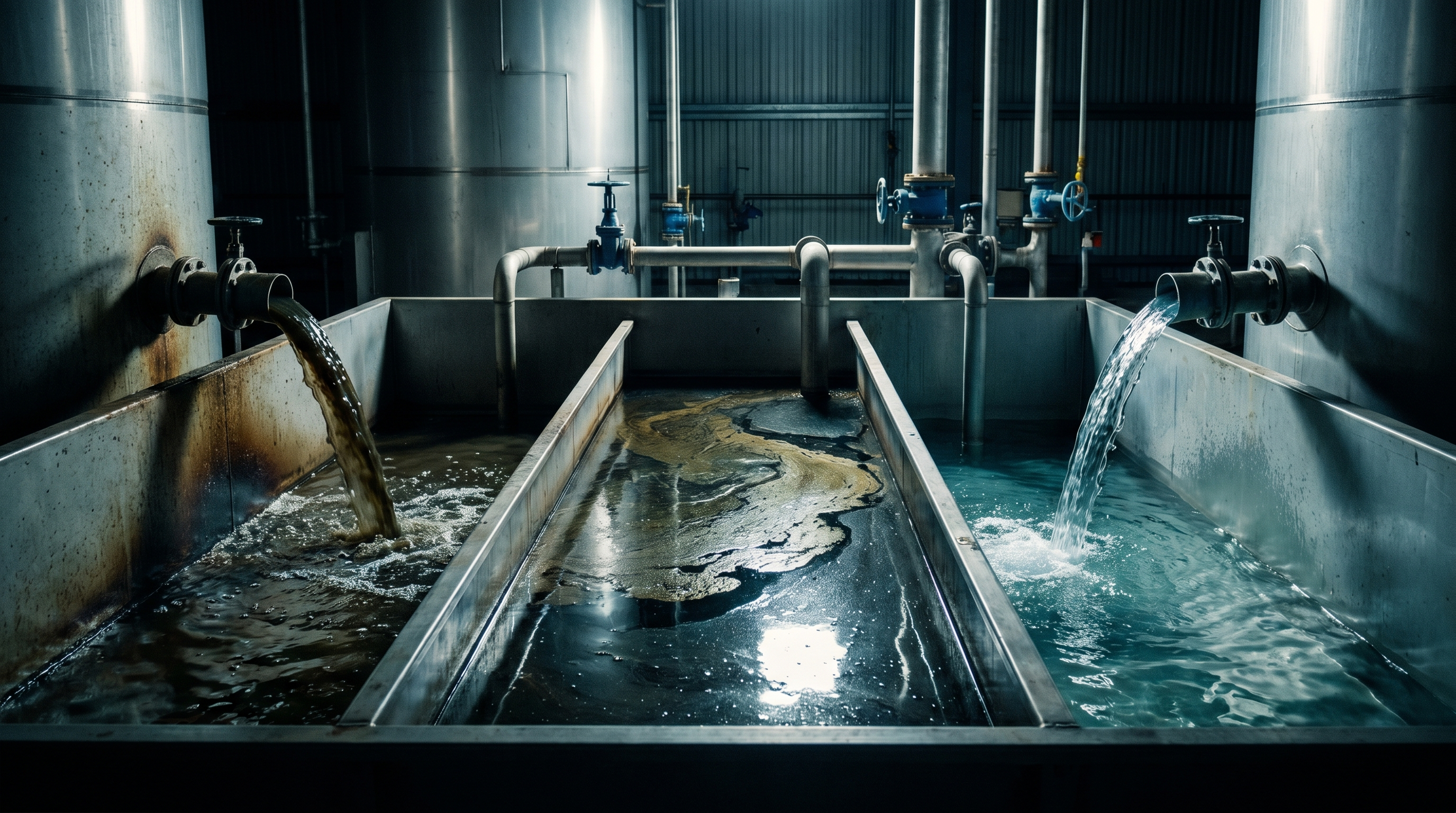
AMPAC USA provides wide range of products that can efficiently separate crude oil from water. These water purification systems are produced using high-end technology. The team at Ampac USA understands how crucial it can be for anyone to use water that has crude oil mixed in it and many times, people have no choice but to use such contaminated water. It can be a serious threat to the life of people.
The teams of skilled workers at Ampac can custom design solutions for crude oil separation in accordance with the needs of different areas. Our oil separation systems leverage nanotechnology to selectively segregate biomolecules. This is done after the initial mechanical processing of extract liquid, solid material and water. We use Polymer Sorb®- innovative hydrocarbon/ water separation technology, which is a blend of synthetic polymers designed to remove oil derivatives and hydrocarbons from water. Polymer Sorb® has a highly porous structure with hydrophobic and oleophilic characteristics capable of removing hydrocarbons while allowing high flow-through rates of water. Polymer Sorb® absorbs all the impurities and converts them into a solid block that can be removed easily later from water. It also ensures the prolonged and efficient functioning of the water filters in the entire purification system.
This unique technology enables Ampac USA to produce the highest quality and most reliable crude oil separators. For more details on the products available in this category, fill our contact form or give us a call on our toll-free number 877-611-8530. Our executives will assist you will all the details.
Frequently Asked Questions
What types of oil-water separator systems do you offer?
We offer API gravity separators for large free oil separation, CPI (Corrugated Plate Interceptor) separators for medium-duty applications where footprint is constrained, and DAF (Dissolved Air Flotation) units for emulsified oil and suspended solids requiring coagulant-assisted flotation. System selection depends on oil droplet size distribution, flow rate, inlet oil concentration, and target discharge or reuse quality.
What oil concentration can your systems achieve in the treated effluent?
API separators typically achieve effluent oil and grease below 50-100 mg/L. CPI plate pack separators can consistently reach below 20-30 mg/L. DAF systems with coagulant treatment achieve below 10 mg/L, which meets most industrial discharge limits and is required for many permit conditions. Achieving below 5 mg/L for direct surface water discharge or reuse typically requires polishing with a coalescing media filter following the primary separator.
What industries use oil-water separators?
Primary users include oilfield and gas production facilities treating produced water, automotive service and manufacturing plants, airport fuel handling areas, marine bilge water treatment, food processing plants handling vegetable oils and fats, and industrial laundries. Regulatory drivers include EPA effluent guidelines, NPDES discharge permits, and stormwater regulations that prohibit sheen-producing oil discharges to surface waters.
What is the difference between free oil and emulsified oil and why does it matter?
Free oil forms a visible layer and separates by gravity. API and CPI separators handle free oil efficiently. Emulsified oil consists of microscopic droplets stabilized by surfactants or mechanical shear, and does not separate by gravity alone. DAF with coagulation is required for emulsified oil. Misidentifying emulsified oil as free oil and installing only a gravity separator will result in permit violations and system failure.
How often does collected oil and sludge need to be removed from separators?
Accumulated oil should be removed by oil skimmer or vacuum truck when the oil layer exceeds the system design limit, typically when oil thickness in the sump reaches 6-12 inches. Sludge accumulation at the bottom of gravity separators requires cleanout every 6-24 months depending on solids loading. Neglecting oil and sludge removal reduces effective separator volume, degrades effluent quality, and increases risk of permit violations.
Can produced water from oil and gas operations be treated for reuse or safe disposal?
Yes. Oilfield produced water treatment typically requires multiple stages: primary API or CPI separation for free oil removal, followed by coagulation-flotation for emulsified oil, then filtration, and optionally RO or evaporation for TDS reduction if injection or discharge limits require it. Treated produced water can be reused for drilling mud, dust control, irrigation (if TDS allows), or injected into disposal wells. We design complete produced water treatment trains.