


Models
-
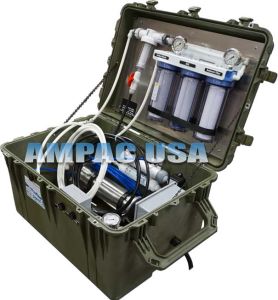
EP-500
Emergency Portable Brackish Water Reverse Osmosis
500 GPD EP-500
View specifications -
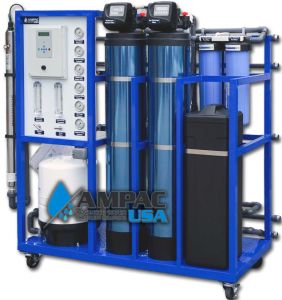
AP1500-LX
Commercial Turnkey Reverse Osmosis
1,500 GPD 5.7 m³/Day
View specifications -
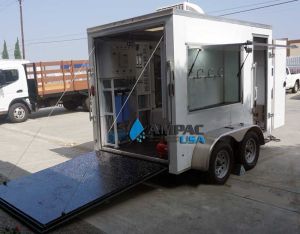
TR-3000
Mobile Trailer Reverse Osmosis
3,000 GPD 11.4 m³/hr
View specifications -
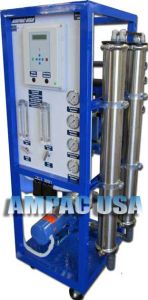
APRO3000
Commercial Reverse Osmosis
3,000 GPD 11,350 LPD
View specifications -
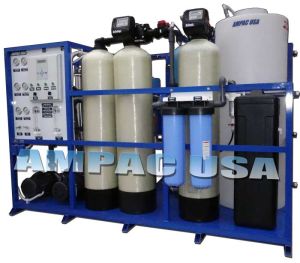
AP6000-SM-LX
Industrial Reverse Osmosis
6,000 GPD 22.7 m³/Day
View specifications -
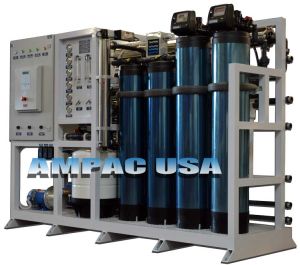
AP8000-LX-1
Industrial Reverse Osmosis
8,000 GPD 30.2 m³/Day
View specifications -
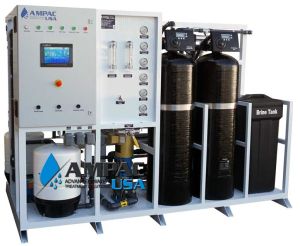
AP10K-LX
Industrial Reverse Osmosis
10,000 GPD 1.6 m³/hr
View specifications -
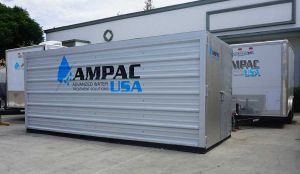
AP20K-LX-C
Emergency Portable Reverse Osmosis
20,000 GPD 3.18 m³/hr
View specifications -
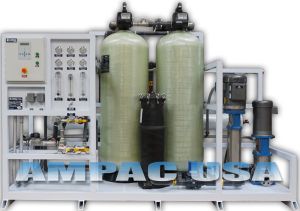
AP20K-LX
Industrial Reverse Osmosis
20,000 GPD 3.18 m³/hr
View specifications -
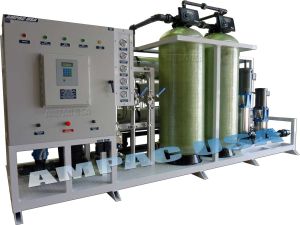
AP25K-LX
Industrial Reverse Osmosis
25,000 GPD 4.0 m³/hr
View specifications -
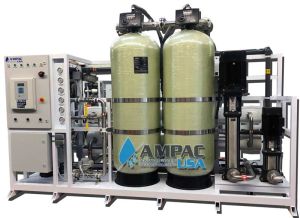
AP30K-LX
Industrial Reverse Osmosis
30,000 GPD 4.75 m³/hr
View specifications -
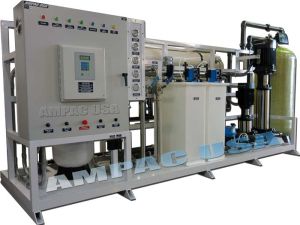
AP40K-LX
Industrial Reverse Osmosis
40,000 GPD 6.30 m³/hr
View specifications -
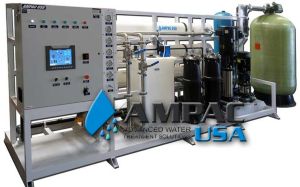
AP60K-LX
Industrial Reverse Osmosis
60,000 GPD 9.5 m³/hr
View specifications -
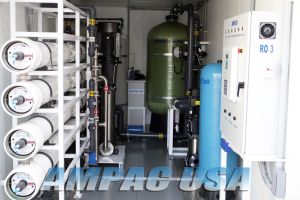
BWRO80K-LX
Mobile Turnkey Reverse Osmosis Water Purification
80,000 GPD 12.6 m³/hr
View specifications -
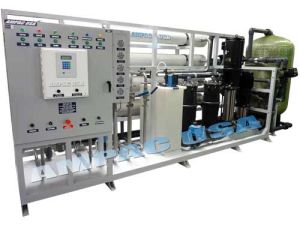
AP80K-LX
Industrial Reverse Osmosis
80,000 GPD 12.6 m³/hr
View specifications -
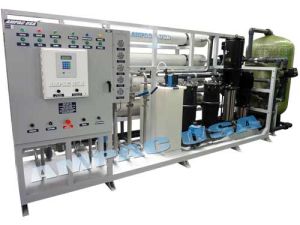
AP100K-LX
Industrial Reverse Osmosis
100,000 GPD 15.8 m³/hr
View specifications -
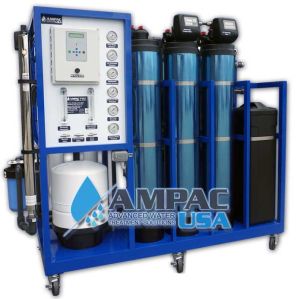
AP3000-LX-ALK
Alkaline Water Reverse Osmosis AP3000-LX-ALK
View specifications
Need an output between two models, or a different feed water? Send us your numbers
About Water Provisioning Systems
Sizing a system? Send your flow rate and a feed-water analysis, and an AMPAC engineer will work out the configuration with you.
A large hotel serving 500 guests per day consumes 50,000 gallons of water or more - and the quality of that water affects guest satisfaction, kitchen operations, laundry, pools, and HVAC systems simultaneously. Municipal supply quality varies by region and season. Properties in coastal areas, island destinations, or regions with hard or brackish groundwater cannot rely on municipal water alone to meet their operational standards.
AMPAC USA designs centralized water provisioning systems for hotels, resorts, hospitals, cruise terminals, and large commercial complexes. A central RO system at the incoming water main treats all facility water to a consistent quality, then distributes it through dedicated drinking water loops separate from the general service supply. This approach eliminates the cost and maintenance burden of dozens of point-of-use filters throughout the property.
Systems are sized by peak daily demand, building footprint, and water end-use mix. For resort properties sourcing from wells or desalination, AMPAC integrates pre-treatment, RO, storage, and pressurized distribution into a single engineered package. Remote monitoring capabilities allow facility engineers to track water quality parameters and system performance from a central building management interface.
Frequently Asked Questions
What is water provisioning, and how does it differ from a standard municipal water system?
Water provisioning refers to supplying treated water at scale to communities, industrial parks, or regions that lack access to centralized municipal infrastructure. Unlike a city water system, a provisioning project may draw from surface water, brackish wells, or brackish coastal aquifers and must deliver finished water meeting drinking water standards to distributed end points. AMPAC USA designs large-scale provisioning systems starting at 100,000 GPD and scaling to multi-million GPD installations.
What source water types are viable for a large-scale community water provisioning system?
Viable sources include surface water from rivers and reservoirs, shallow and deep groundwater wells, brackish coastal aquifers, and seawater for coastal communities with no alternative freshwater. Each source requires a different treatment train and energy budget. Seawater provisioning at scale requires high-pressure RO operating at 800-1,000 psi with energy recovery devices to keep operational cost per gallon manageable, typically between $0.003 and $0.008 per gallon in energy cost alone.
How is water quality monitored in a large provisioning system serving thousands of people?
AMPAC USA large provisioning systems include online monitoring of turbidity, pH, TDS, free chlorine residual, and flow rate at the treatment plant output, with data logged continuously and alarmed against threshold limits. Distribution point sampling for microbial quality follows WHO and EPA guidelines for community water systems. Remote SCADA connectivity allows centralized monitoring of multiple system points without constant on-site staffing.
What chlorination approach is appropriate for a provisioning system distributing water over long distances?
Long distribution networks require a chlorine residual of 0.2-0.5 ppm at the farthest distribution point, which means dosing 0.5-2.0 ppm at the treatment plant depending on distribution time and pipe materials. Sodium hypochlorite dosing systems are standard for provisioning scale, with on-site sodium hypochlorite generation becoming cost-effective at very large scale or in locations where chemical supply is unreliable. AMPAC USA includes chlorine dosing skids integrated with the main treatment system in all provisioning plant designs.
How long does it take to design, procure, and commission a 500,000 GPD water provisioning plant?
A 500,000 GPD provisioning plant typically requires 6-9 months from signed contract to commissioning, assuming feed water quality data is available at project start and civil works proceed in parallel with equipment fabrication. Source water testing, process design, permitting, and fabrication each take 2-3 months, and they overlap in a compressed schedule. AMPAC USA maintains equipment in stock for standard configurations and can reduce lead time for urgent provisioning projects.