

Models
-
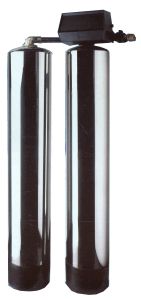
AP3000S
Ion Exchange Twin Alternating Water Softener AP3000S
The AMPAC USA AP3000S Ion Exchange Twin Alternating Water Softener removes calcium and magnesium, the minerals responsible for limescale, from household and commercial water supplies.
View specifications -
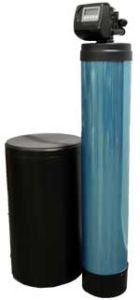
AP1000S
Ion Exchange Water Softener AP1000S
The AMPAC USA AP1000S Ion Exchange Water Softener is designed to reduce water hardness and prevent lime scale damage in homes and businesses.
View specifications
Need an output between two models, or a different feed water? Send us your numbers
About Nitrate Removal
Sizing a system? Send your flow rate and a feed-water analysis, and an AMPAC engineer will work out the configuration with you.
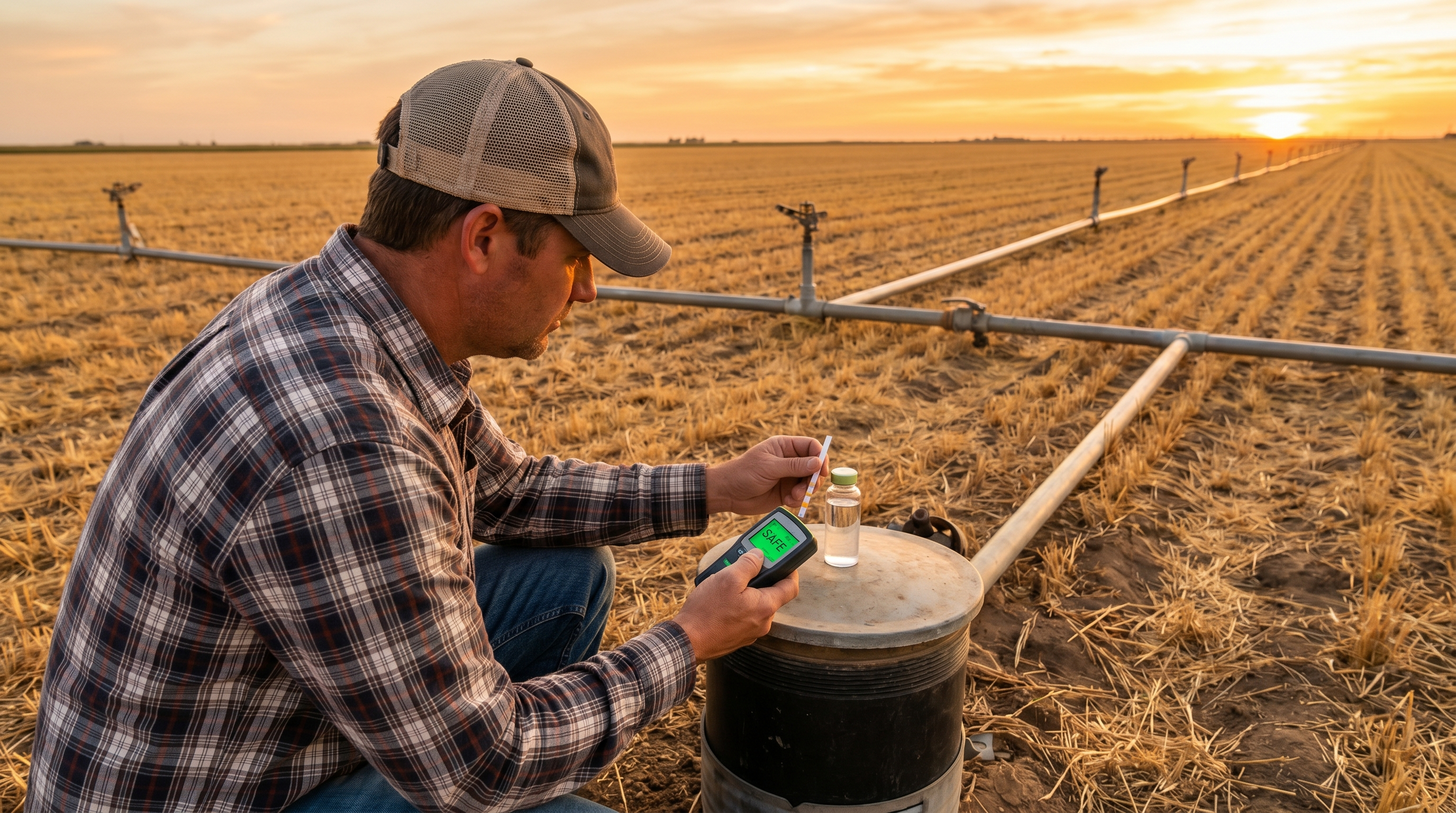
Nitrates are very soluble and do not bind to soils, therefore, they have a high potential to migrate to groundwater sources. When these ground waters are purposed for potable drinking water sources, the presence of nitrates can pose serious health risks, especially for infants and pregnant women. Likewise, proper treatment of nitrate-containing wastewaters from industrial processes requires treatment prior to discharge to groundwater sources and/or for reuse.
Ion exchange provides effective nitrate removal
Nitrates have no detectable color, taste or smell at the concentrations involved in drinking water supplies, and can occur both naturally and from man-made sources. Because they do not evaporate, nitrates/nitrites are likely to remain in water until consumed by plants or other organisms. Nitrate contamination originates mainly from agricultural operations including farm runoff and fertilizer usage, septic system failure and improper discharge of industrial and food processing waste and wastewater. Since they are very soluble and do not bind to soils, nitrates have a high potential to migrate to ground water. The primary inorganic nitrates which may contaminate drinking water are potassium nitrate and ammonium nitrate both of which are widely used as fertilizers.
Nitrates can occur in water sources at a level that does not generally cause health problems. The concentration level and length of exposure, however, can cause illness and death. In infants, serious illness is due to the conversion of nitrates by bacteria in the stomach to toxic nitrites. This can interfere with the oxygen-carrying capacity of the child's blood and can cause an acute condition in which health deteriorates rapidly over a period of days. Symptoms include shortness of breath and methemoglobinemia, a condition known as "blue baby" syndrome.
The US Environmental Protection Agency (EPA) has set a Maximum Contaminant Level Goal (MGL) for nitrates at 10 parts per million (ppm), and for nitrites at 1 ppm, because EPA believes this level of protection would not cause any of the potential health problems described above.
The EPA approved treatment methods for removing nitrates/nitrites in waters destined for drinking purposes includes Ion Exchange and Reverse Osmosis.
Ion exchange is the most frequently used treatment technology for nitrate removal. This technology removes nitrate ions from the aqueous phase by replacing them with the anion present in the ion exchange resin. As contaminated water is passed through the resin, contaminant ions are exchanged for other ions, most often chlorides in the resin. The advantages of ion exchange are simple operation; the process is independent of temperature, can be automated, and is essentially unaffected by varying nitrate concentrations.
Reverse Osmosis provides effective nitrate removal
Nitrate removal by reverse osmosis uses a semi-permeable membrane to selectively remove various inorganics within the water. Pressure is applied to the water to force it through the membrane. As the water passes through the membrane and effectively leaves the impurities behind. Membranes do not exhibit high selectivity for any given contaminant, and therefore, the RO process results in the removal of many contaminants, including nitrates. Estimates predict that from 85 to 95 percent of the nitrate can be removed with reverse osmosis. Actual removal rates may vary, depending on the initial quality of the water, the system pressure, and water temperature.
Frequently Asked Questions
What is the EPA maximum contaminant level for nitrate, and what are the health risks above that level?
The EPA MCL for nitrate in drinking water is 10 mg/L as nitrogen. Infants under 6 months are the primary risk group, because gut bacteria convert nitrate to nitrite, which reacts with hemoglobin to cause methemoglobinemia, a condition that can be fatal without prompt medical treatment. Adults are generally unaffected at moderate nitrate levels, but long-term exposure above the MCL is associated with increased colorectal cancer risk in some epidemiological studies.
How does ion exchange remove nitrate from drinking water?
Strong-base anion exchange resin carries a positive charge that attracts negatively charged nitrate ions and exchanges them for chloride ions from the regenerant brine. Nitrate-selective resins prevent sulfate from outcompeting nitrate for adsorption sites, which can happen with standard anion resins. When the resin is exhausted, it is regenerated with a 10-12% sodium chloride brine solution and returned to service.
Is RO or ion exchange more appropriate for residential nitrate removal?
RO rejects nitrate at 85-95%, requires no salt or regeneration chemicals, and removes a broad range of other contaminants simultaneously. Ion exchange achieves higher nitrate removal efficiency at 95-99% but generates a brine waste stream that must be managed. For private wells with nitrate as the sole concern, ion exchange is often more cost-effective at lower flow rates; for whole-house RO systems already installed, a dedicated nitrate removal stage is rarely justified.
Can nitrate-contaminated water be used safely for bathing and laundry even if it is unsafe to drink?
Yes. Nitrate is a health risk only when ingested, not through skin contact or inhalation. Families with high-nitrate well water can safely bathe, wash clothes, and use the water for outdoor irrigation while restricting drinking and cooking to treated water from a point-of-use system. This approach is often the most economical solution for households where whole-house treatment would be disproportionately expensive.
What causes elevated nitrate in groundwater, and does the source affect treatment selection?
Nitrate in groundwater most commonly originates from agricultural fertilizer application, livestock waste lagoons, and septic system effluent. The source does not change the treatment chemistry needed, but it affects whether the problem is likely to persist or worsen over time. Agricultural areas with intensive fertilizer use often see nitrate levels that fluctuate seasonally, which is important for sizing ion exchange systems with adequate resin volume to handle peak concentrations.