

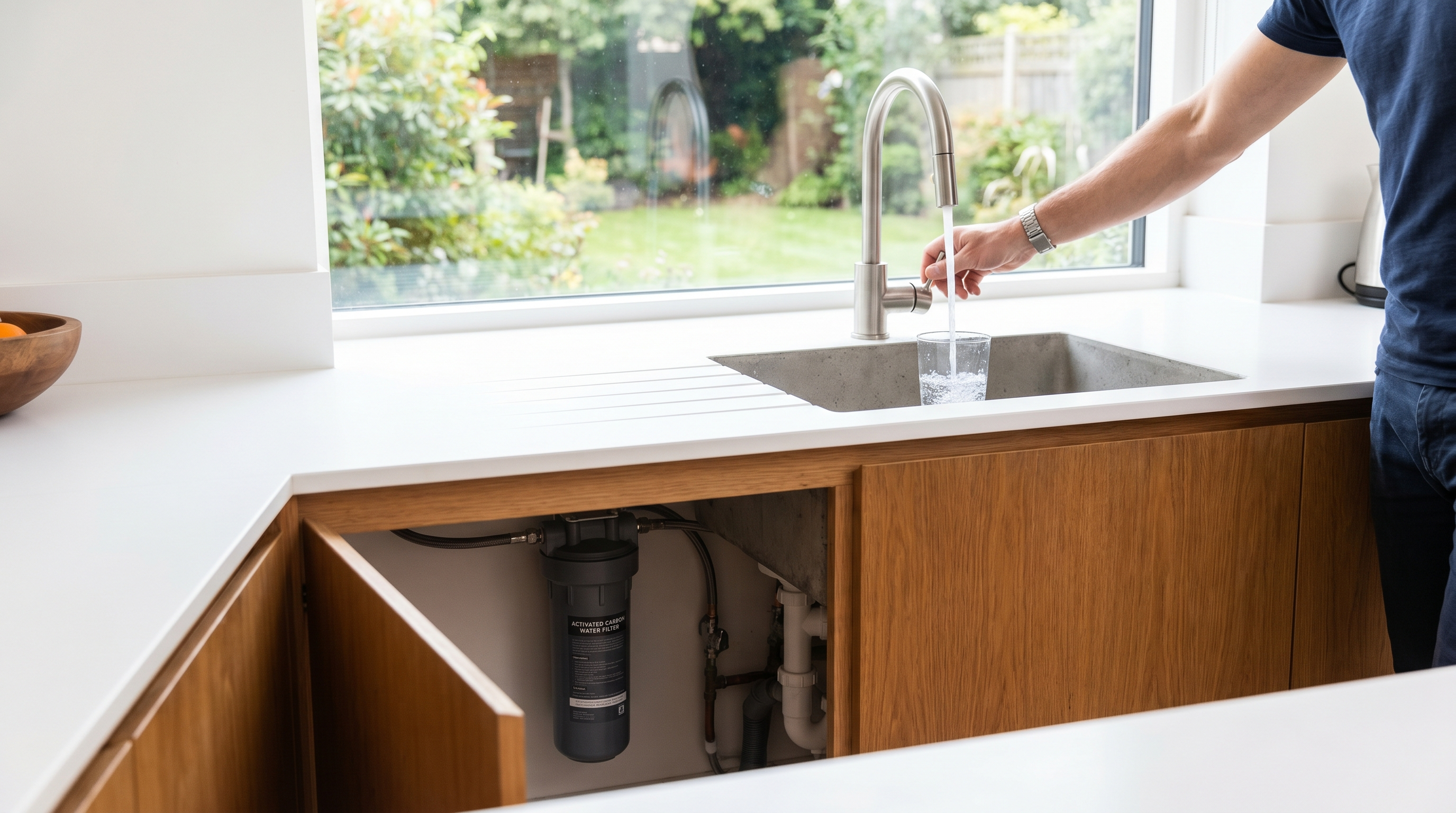
Models
-
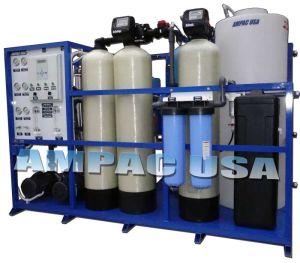
AP6000-SM-LX
Industrial Reverse Osmosis
6,000 GPD 22.7 m³/Day
View specifications -
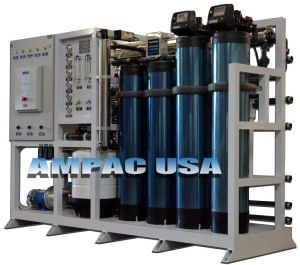
AP8000-LX-1
Industrial Reverse Osmosis
8,000 GPD 30.2 m³/Day
View specifications -
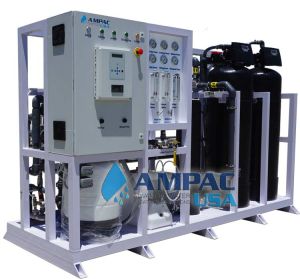
AP12K-LX
Industrial Reverse Osmosis
12,000 GPD 1.9 m³/hr
View specifications -
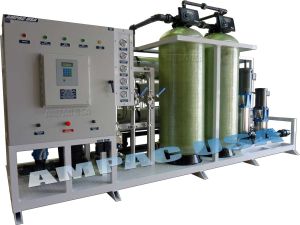
AP25K-LX
Industrial Reverse Osmosis
25,000 GPD 4.0 m³/hr
View specifications -
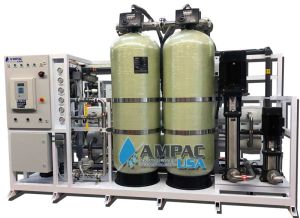
AP30K-LX
Industrial Reverse Osmosis
30,000 GPD 4.75 m³/hr
View specifications -
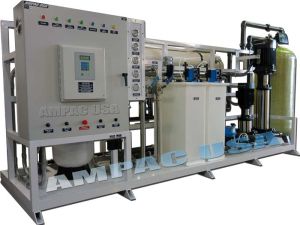
AP40K-LX
Industrial Reverse Osmosis
40,000 GPD 6.30 m³/hr
View specifications -
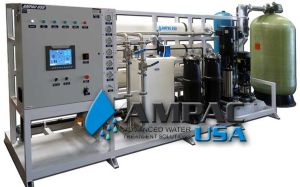
AP60K-LX
Industrial Reverse Osmosis
60,000 GPD 9.5 m³/hr
View specifications -
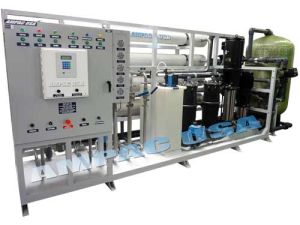
AP80K-LX
Industrial Reverse Osmosis
80,000 GPD 12.6 m³/hr
View specifications -
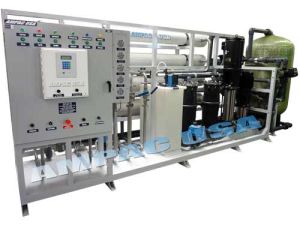
AP100K-LX
Industrial Reverse Osmosis
100,000 GPD 15.8 m³/hr
View specifications -

AP1500C
Ampac USA Wholehouse Carbon Filter AP1500C
View specifications -
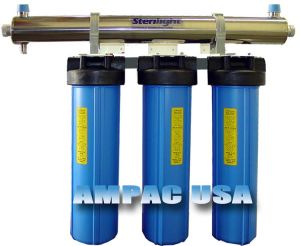
BB4-20
Quad Whole House BB UV
View specifications
Need an output between two models, or a different feed water? Send us your numbers
About Chlorine Removal
Sizing a system? Send your flow rate and a feed-water analysis, and an AMPAC engineer will work out the configuration with you.
Chlorine is added to municipal water supplies to kill bacteria and it does that job well. But once the water reaches your tap, the chlorine that protected it in the pipe is exactly what you're trying to remove. The same chemistry that neutralizes pathogens also reacts with organic matter to form trihalomethanes (THMs) and haloacetic acids, both regulated as potential carcinogens under EPA drinking water standards.
The taste and smell most people describe as swimming pool water or bleach is almost always free chlorine or chloramine. Chloramine is a compound utilities increasingly use because it stays stable longer in distribution systems, but it requires extended contact time with catalytic carbon to remove effectively. Standard carbon block filtration handles free chlorine well but often falls short on chloramine. Sulfur-based rotten egg odors from well water are a separate issue requiring oxidation and filtration before carbon treatment.
AMPAC USA designs chlorine and chloramine removal systems for residential, commercial, and industrial water applications. Treatment sequences are matched to the source water chemistry. Municipal supplies with free chlorine typically need a carbon block pre-filter before the RO membrane. Chloraminated supplies require higher-capacity catalytic carbon with appropriate contact time. High-chlorine industrial feeds may need chemical reduction using sodium bisulfite injection before carbon treatment to protect downstream equipment.
For facilities where chlorine removal is part of a broader water quality issue, AMPAC integrates chlorine pre-treatment into a complete multi-barrier system. Reverse osmosis downstream of the carbon filter removes dissolved solids, fluoride, nitrates, and heavy metals that carbon alone cannot address. The result is water that tastes clean, has no chemical odor, and meets purity requirements for drinking, process use, or equipment protection.
Carbon bed sizing and replacement schedules depend on daily flow rate and chlorine concentration in the feed. AMPAC commercial systems include service indicators and conductivity monitoring to confirm treatment performance between scheduled maintenance visits.
Call AMPAC USA at (909) 548-4900 to discuss chlorine removal for your residential, commercial, or industrial application.
Frequently Asked Questions
Why is chlorine removal important in water treatment?
Municipalities add chlorine and chloramines as disinfectants, but residual chlorine causes problems downstream:
- Taste and odor – creates unpleasant off-flavors in drinking and process water
- Disinfection byproducts (DBPs) – forms THMs and HAAs, classified as probable carcinogens by the EPA
- Membrane damage – free chlorine rapidly degrades polyamide RO membranes
- Process incompatibility – interferes with ion exchange resins and many food and pharmaceutical processes
What methods does AMPAC USA use for chlorine removal?
AMPAC USA selects the right technology based on source water and downstream application:
- GAC Contactors – primary method for free chlorine in municipal supply
- Catalytic Carbon Media – for chloramine removal (10–100x longer contact time required)
- Carbon Block Cartridges – point-of-use drinking water
- SMBS Injection – chemical dechlorination upstream of RO membranes
How does activated carbon remove chlorine from water?
Activated carbon adsorbs chlorine through its enormous internal surface area (500–1,500 m²/g), catalytically reducing chlorine molecules to harmless chloride ions. The reaction is nearly instantaneous for free chlorine at 2–8 minutes empty bed contact time. Chloramine removal requires 20+ minutes EBCT and catalytic carbon media.
Does reverse osmosis remove chlorine?
Chlorine must be removed before the RO membrane – not by it. Standard polyamide TFC membranes are damaged by free chlorine above 0.1 ppm. AMPAC USA includes activated carbon pre-filtration or SMBS injection in every RO pre-treatment train to ensure zero free chlorine reaches the membrane.