
Models
-
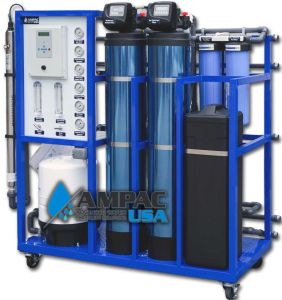
AP1500-LX
Commercial Turnkey Reverse Osmosis
1,500 GPD 5.7 m³/Day
View specifications -
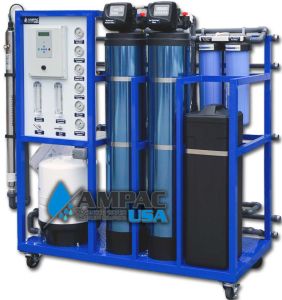
AP2200-LX
Commercial Turnkey Reverse Osmosis
2,200 GPD 8.3 m³/Day
View specifications -
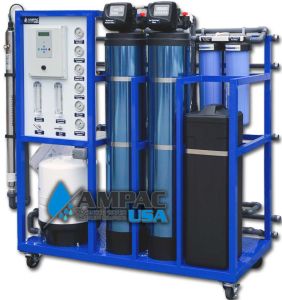
AP3000-LX
Commercial Turnkey Reverse Osmosis
3,000 GPD 11.4 m³/Day
View specifications -
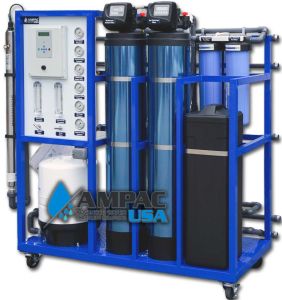
AP4400-LX
Commercial Turnkey Reverse Osmosis
4,400 GPD 16.7 m³/Day
View specifications -
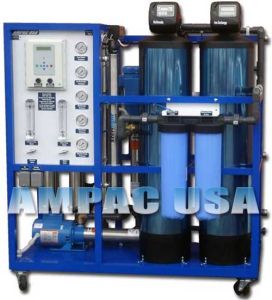
AP6000-LX
Commercial Turnkey Reverse Osmosis
6,000 GPD 22.7 m³/Day
View specifications -
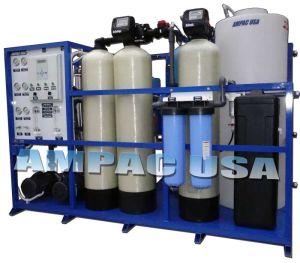
AP6000-SM-LX
Industrial Reverse Osmosis
6,000 GPD 22.7 m³/Day
View specifications -
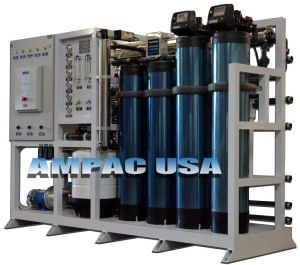
AP8000-LX-1
Industrial Reverse Osmosis
8,000 GPD 30.2 m³/Day
View specifications -
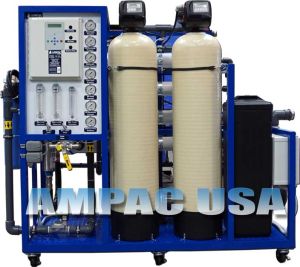
AP8000-LX
Commercial Turnkey Reverse Osmosis
8,000 GPD 30 m³/Day
View specifications -
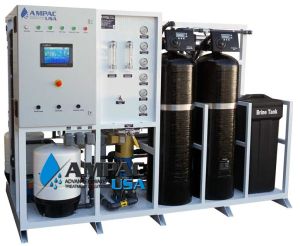
AP10K-LX
Industrial Reverse Osmosis
10,000 GPD 1.6 m³/hr
View specifications -
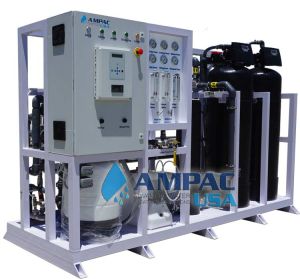
AP12K-LX
Industrial Reverse Osmosis
12,000 GPD 1.9 m³/hr
View specifications -
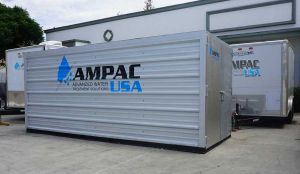
AP20K-LX-C
Emergency Portable Reverse Osmosis
20,000 GPD 3.18 m³/hr
View specifications -
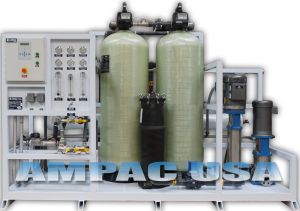
AP20K-LX
Industrial Reverse Osmosis
20,000 GPD 3.18 m³/hr
View specifications -
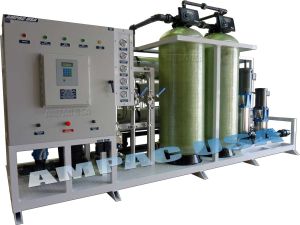
AP25K-LX
Industrial Reverse Osmosis
25,000 GPD 4.0 m³/hr
View specifications -
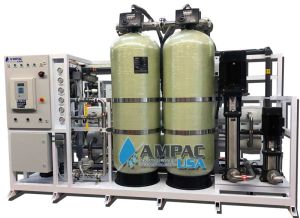
AP30K-LX
Industrial Reverse Osmosis
30,000 GPD 4.75 m³/hr
View specifications -
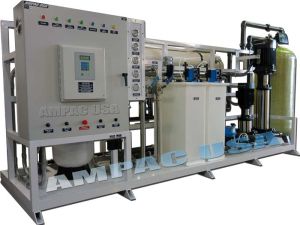
AP40K-LX
Industrial Reverse Osmosis
40,000 GPD 6.30 m³/hr
View specifications -
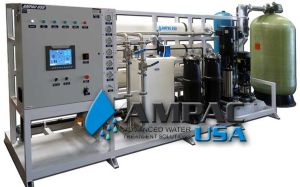
AP60K-LX
Industrial Reverse Osmosis
60,000 GPD 9.5 m³/hr
View specifications -
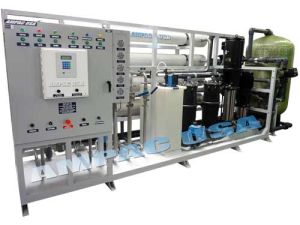
AP80K-LX
Industrial Reverse Osmosis
80,000 GPD 12.6 m³/hr
View specifications -
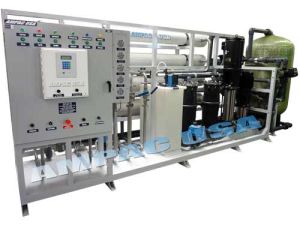
AP100K-LX
Industrial Reverse Osmosis
100,000 GPD 15.8 m³/hr
View specifications -
AP3000-LX-ALK
Alkaline Water Reverse Osmosis AP3000-LX-ALK
View specifications
Need an output between two models, or a different feed water? Send us your numbers
About Packaged Reverse Osmosis Systems
Sizing a system? Send your flow rate and a feed-water analysis, and an AMPAC engineer will work out the configuration with you.
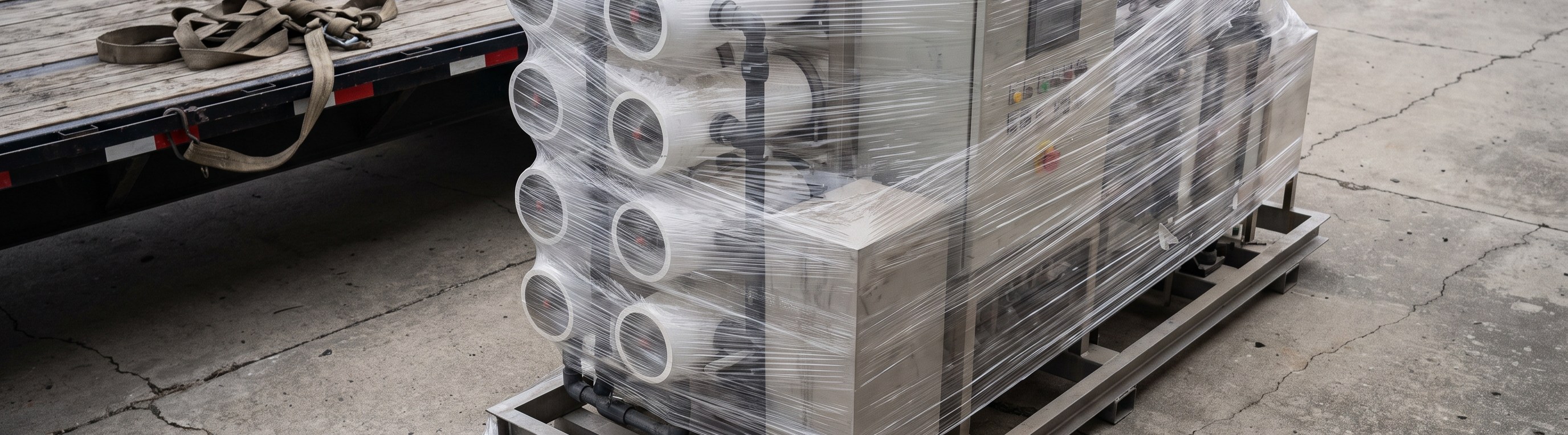
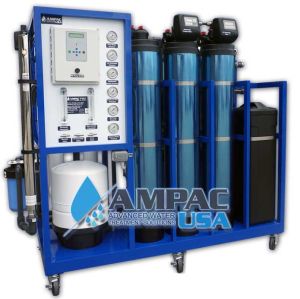
AMPAC USA packaged reverse osmosis systems are pre-engineered, skid-mounted water treatment units ready for rapid deployment with minimal site preparation. Packaged RO systems integrate feed pumps, pre-filtration stages, high-pressure pumps, RO membrane elements, permeate and concentrate piping, instrumentation, and automated controls into a single compact skid — eliminating the cost, time, and engineering risk of designing and assembling custom systems on-site.
Packaged systems are factory-built and factory-tested before shipment, verifying performance against specification before the unit leaves our facility. Upon delivery, installation requires only feed water connection, power, and drain — typical commissioning is completed in one to two days rather than weeks. This makes packaged RO the preferred solution for urgent water supply projects, remote industrial sites, emergency humanitarian response, and construction project water supplies.
Available in capacities from 500 GPD to 500,000 GPD, AMPAC USA packaged RO systems serve municipal water pre-treatment, industrial process water, military deployable water supply, oil and gas produced water treatment, and developing community infrastructure projects. All units are built to ASME and NSF standards with documentation packages for regulatory submissions. Contact AMPAC USA at (909) 548-4900 to discuss packaged RO specifications for your project.
Frequently Asked Questions
What does "packaged RO system" mean and what advantages does it offer?
A packaged RO system is fully assembled, piped, wired, and factory-tested on a structural skid before shipping. The buyer connects three things at site: feed water inlet, product water outlet, and drain. That is it. Compared to field-built systems, packaged units reduce site installation time by 60 to 80 percent and eliminate most on-site labor costs and commissioning delays.
What standard capacities are available in the packaged RO line?
Standard models cover 5,000, 10,000, 25,000, 50,000, 100,000, 175,000, and 250,000 GPD. This range suits the majority of commercial, light industrial, and small municipal applications without custom engineering. Non-standard capacities between these sizes are achievable by flow throttling or membrane staging with minimal modification to the base skid design.
What feed water quality is required for packaged RO systems to operate properly?
Packaged RO systems are optimized for pre-treated feed water: turbidity below 1 NTU, SDI below 5, chlorine-free, and hardness within antiscalant treatment range. For raw municipal or well water that does not meet these parameters, AMPAC USA offers pre-treatment packages, including sediment filtration, carbon filtration, and water softening, engineered to install upstream of the RO skid.
How long does installation take for a packaged RO system?
A single-skid packaged system can be mechanically installed and producing water in one to two days for a competent plumbing contractor. Electrical connection to a control panel is typically a half-day task. The three-point connection design (inlet, outlet, drain) eliminates the complex piping interconnections that make field-assembled systems time-consuming and prone to startup problems.
What controls and monitoring come standard on packaged RO systems?
Standard controls include PLC-based automatic start/stop, high-pressure shutdown, low-pressure shutoff, permeate TDS monitoring with conductivity display, flow meters on product and reject lines, and membrane flush cycle automation. Modbus RTU or BACnet communication outputs allow integration with facility SCADA or BMS systems. Remote monitoring packages with cellular telemetry are available as options.
What is the expected return on investment timeline for replacing a field-built RO system with a packaged unit?
The ROI comparison includes reduced installation labor (often $15,000 to $50,000 savings on mid-size systems), shorter downtime during replacement, and better performance consistency from factory testing. Most customers replacing an older field-built system with a packaged unit see total cost payback within the first operating year when installation savings and reduced startup troubleshooting are included.