
About Buy Water Treatment Chemicals
Sizing a system? Send your flow rate and a feed-water analysis, and an AMPAC engineer will work out the configuration with you.
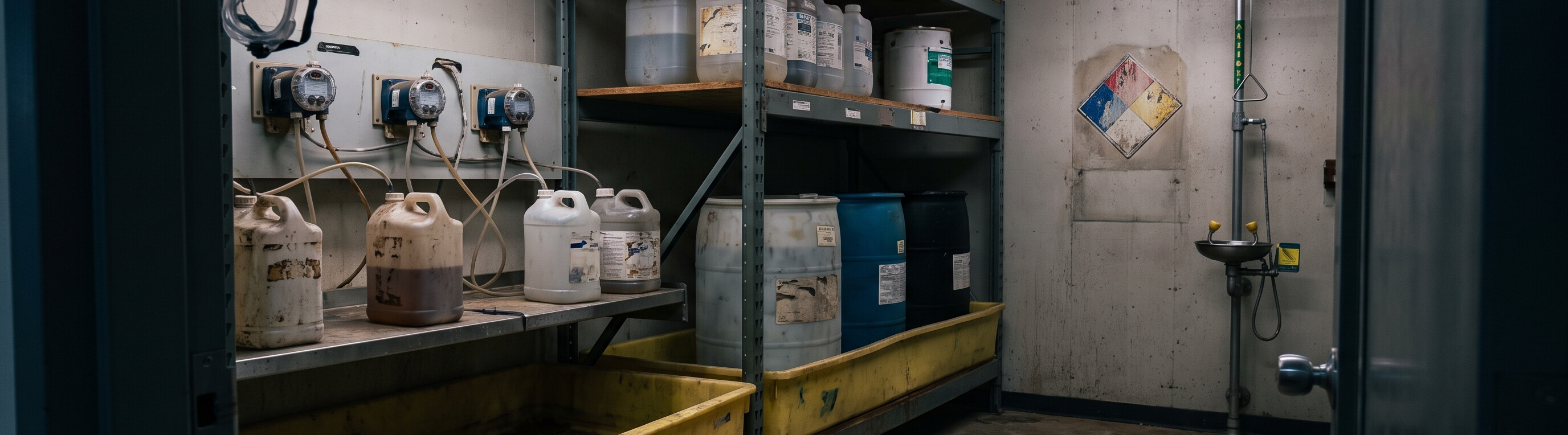
 We offer a wide range of Water Treatment Chemicals meant to tackle different problems usually confronted in the reverse osmosis procedure. These chemicals are useful in mitigating the problematic organic and inorganic contaminants before they get to the semi-permeable membrane in the RO process and cause unwanted fouling. The use of these chemicals helps the RO system to save energy and avoid membrane fouling that can cause unexpected costs at any interval.
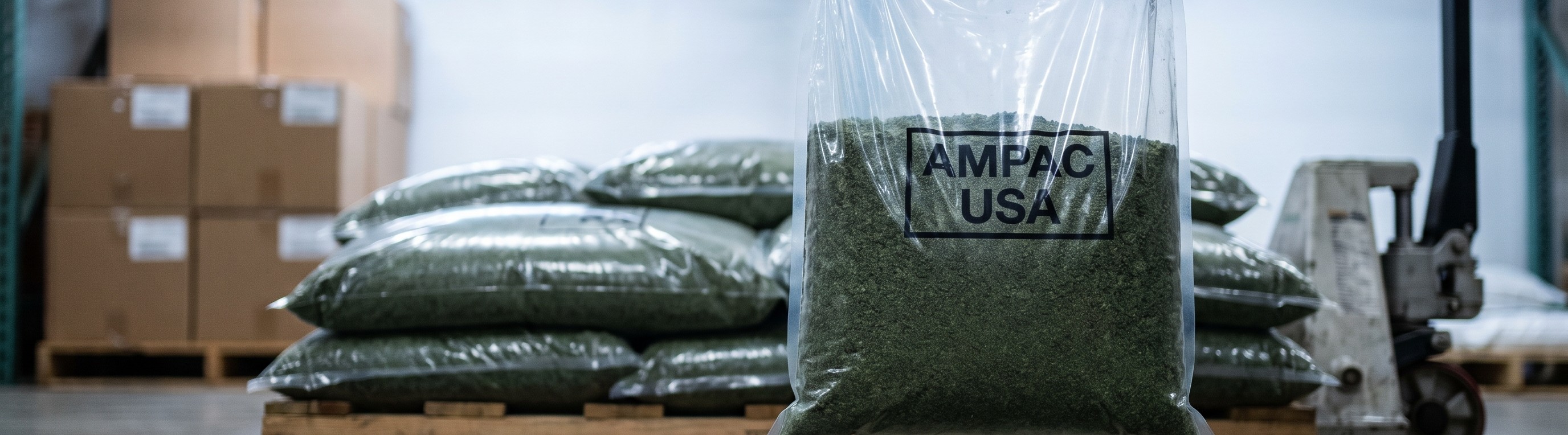
With access to advanced R&D (research and development) in chemical science, AMPAC USA carries a wide selection of water treatment chemicals and resins that serve a multitude of purposes, both incorporated into water treatment systems (usually a year's supply) and for stand-alone purchase. Special water treatment problems can be addressed with specific chemicals and dosing levels in conjunction with active components to maximize the degree of mitigation performed, and thus value created.
AMPAC USA also keeps abreast of the upgradations in chemical science to offer nothing but the best line of chemical solutions that assist in the treatment process. We offer products for 4 different problem areas:
- Water softeners for hard water
- Water Neutralization
- Greensand Filter Regenerant
- Scale and Corrosion Control
Get in touch with AMPAC USA to know more about the best water treatment chemical fit for your problem. Check out the line of products we offer down below!
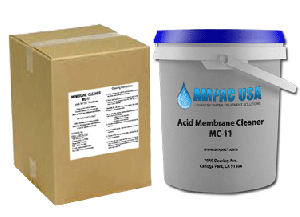
For membrane descaling, see our MC-11 Acid Membrane Cleaner, formulated specifically for RO scale removal.
Frequently Asked Questions
What types of antiscalants does AMPAC USA supply, and how do I select the right one?
We supply phosphonate-based, polyacrylate-based, and blended antiscalants covering carbonate scale, sulfate scale, silica, and iron fouling. Selection depends on your feed water chemistry, specifically the Langelier Saturation Index and any elevated silica or barium levels that standard phosphonate formulations handle poorly. We provide dosing calculations based on your water analysis at no charge.
At what dose rate are membrane antiscalants typically applied?
Antiscalant dose rates generally fall between 1 and 10 mg/L of feed water flow, with most applications landing around 3-5 mg/L. Under-dosing allows scale to form on the membrane surface, which reduces flux and forces early cleaning. Over-dosing wastes chemical and in some formulations can cause fouling through precipitation of the antiscalant itself.
What membrane cleaning chemicals are compatible with polyamide thin-film composite membranes?
For inorganic scale, we supply low-pH citric acid and hydrochloric acid-based cleaners that dissolve carbonate and iron deposits without attacking the membrane surface. Biological fouling and organic compounds respond to high-pH alkaline cleaners containing EDTA and sodium lauryl sulfate. Using oxidizing agents like bleach on polyamide membranes causes irreversible membrane degradation and should never be done.
How do biocides in water treatment differ from disinfectants used in drinking water?
Biocides for industrial water systems control biological growth in cooling towers, membrane systems, and storage tanks, and are registered under EPA FIFRA for those specific applications. Drinking water disinfectants like sodium hypochlorite are regulated under the Safe Drinking Water Act and must meet NSF/ANSI 60 certification for use in potable water. AMPAC USA supplies both categories and can advise on which products are legal for your specific application.
What coagulants and flocculants does AMPAC USA offer for turbidity reduction?
Our product line includes aluminum sulfate, ferric sulfate, ferric chloride, and polymer flocculants in both cationic and anionic formulations. Jar testing is the reliable way to select the right coagulant and dose for your specific raw water, and we can assist with that evaluation before you commit to a bulk order. Most liquid antiscalants and cleaners should be stored between 40 and 100 degrees F and used within 12 months of manufacture.