

Models
-
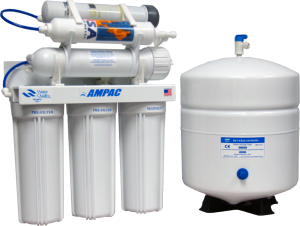
APRO6-UV
Reverse Osmosis with Ultra Violet Sterilizer - 6 Stage
The AMPAC USA APRO6-UV 6-Stage Reverse Osmosis with Ultraviolet Sterilizer provides six-stage reverse osmosis with ultraviolet sterilization for drinking water in your home or business.
View specifications -
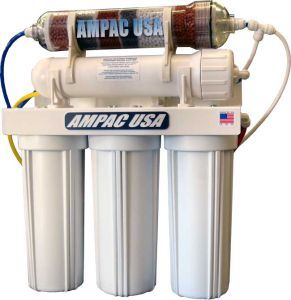
ALK-RO5
Alkaline Reverse Osmosis Drinking Water Filter
The AMPAC USA ALKRO5 Alkaline Reverse Osmosis Drinking Water Filter combines multi-stage reverse osmosis purification with alkaline re-mineralization for pH-balanced drinking water at home or in the office.
View specifications -
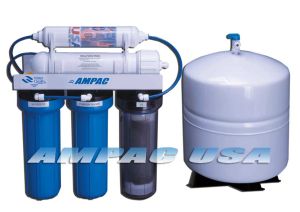
APRO-5DI
Reverse Osmosis High Purity - RO/DI
The AMPAC USA APRO-5DI Reverse Osmosis with Deionization system combines high-purity reverse osmosis with a multi-layered deionization process to remove contaminants that standard filtration methods s
View specifications -
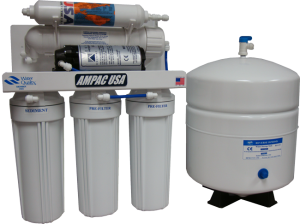
APRO5-P
Reverse Osmosis - 5 Stage with Booster Pump
The AMPAC USA 5 Stage Reverse Osmosis system with Booster Pump is built to remove sediment, chlorine, dissolved solids, heavy metals, and other impurities from your home's drinking water.
View specifications
Need an output between two models, or a different feed water? Send us your numbers
About Best Under-Sink Reverse Osmosis Systems
Sizing a system? Send your flow rate and a feed-water analysis, and an AMPAC engineer will work out the configuration with you.
AMPAC USA offers a complete range of under sink reverse osmosis systems - from compact tankless RO units to multi-stage under sink RO system configurations for residential and light commercial use. Our best under sink reverse osmosis system options combine high-quality RO membranes with convenient under-the-sink installation for great-tasting water on demand.
Why Choose an Under-Sink RO System?
Under sink ro systems deliver the highest level of water filtration directly at your kitchen faucet - no countertop equipment needed. Key benefits:
- Contaminant removal: removes up to 99% of dissolved solids, heavy metals, chlorine, PFOA/PFOS, nitrates, arsenic, and other contaminants
- NSF/ANSI compliant: AMPAC under sink water filtration systems meet or exceed NSF ANSI 58 standards for RO performance
- Easy installation: connects to existing cold water supply under the sink - no special tools required
- High quality components: premium pre filter, post filter, and RO membrane for long service life
- Clean drinking water: dependable contaminant removal for your family's drinking water
Under-Sink RO System Options
Choose from our full range of sink water filters and under the sink reverse osmosis system configurations:
- 5-stage and 6-stage sink water filtration systems with dedicated RO faucet
- Tankless RO systems - no storage tank needed, delivers RO water on demand
- Systems with remineralization stage for great-tasting water with balanced minerals - see how to make reverse osmosis water alkaline at home
Choosing an Under Sink Reverse Osmosis System
The best under sink reverse osmosis system for your home depends on your tap water quality, household water usage, and available under-sink space. AMPAC's reverse osmosis water filters turn ordinary tap water into filtered water free of sediment, chlorine, and dissolved contaminants, with tankless and tank-based sink systems available for kitchens of any size.
All AMPAC under sink reverse osmosis systems include pre filter stages to protect the RO membrane, ensuring long membrane life and consistently pure, great-tasting water. Contact us for specifications and pricing on an RO system for your home.
AMPAC USA RO system solutions provide comprehensive contaminant removal - including heavy metals, chlorine, pfoa pfos, nitrates, and hundreds of other impurities - to meet nsf ansi standards. Our under sink reverse osmosis filters include a multi-stage pre filter for sediment and chlorine removal followed by a high-rejection RO membrane that delivers high quality, great-tasting water. Choose between our standard tank model and our compact tankless ro option - both designed for easy installation under most standard kitchen sinks. Connect directly to your sink water filter tap for drinking and cooking water. Our complete sink water filtration systems package every ro system with all fittings, tubing, a dedicated faucet, and a leak-stop valve. Upgrade your home's water filter system with an AMPAC USA under-sink RO today.
Every AMPAC under sink reverse osmosis system is designed with predictable maintenance in mind. Each ro filter stage has a defined filter life: the sediment pre-filter stage typically runs 6 to 12 months before replacement, the carbon block ro filter stage runs 6 to 12 months as well, and the RO membrane itself holds up for 2 to 3 years under normal residential water conditions. Post-filter polishing stages - often a coconut shell carbon ro filter - are replaced annually. AMPAC provides replacement filter kits for every system we manufacture, so you're not hunting for compatible components when filter life expires. The TDS display included with most systems lets you monitor membrane performance directly rather than guessing. A sudden rise in TDS output tells you the membrane's filter life is ending - no calendar guessing required. Contact us for the correct replacement filter kit for your model.
Frequently Asked Questions
How does an under-sink reverse osmosis system work?
An under-sink RO system connects to your cold water supply line beneath the kitchen sink. Water passes through a sediment pre-filter, a carbon block filter, then the RO membrane (which rejects up to 99% of dissolved contaminants), and finally a post-carbon polishing filter before reaching a dedicated drinking water faucet. Clean water is stored in a pressurized tank until needed.
How much space does an under-sink RO system require?
Most AMPAC under-sink RO units have a compact footprint of roughly 14" wide × 5" deep and sit alongside the storage tank (typically 10-14" tall, 10" diameter). The system fits comfortably in standard kitchen cabinets. Compact tankless versions are also available for tight spaces.
What is the water waste ratio for under-sink RO systems?
Traditional RO systems produce 3-4 gallons of drain water for every 1 gallon of purified water. AMPAC high-efficiency models achieve ratios as low as 1:1 using permeate pumps and smart flow control, significantly reducing water waste compared to older designs.
Does an under-sink RO system require a plumber to install?
Most homeowners with basic DIY skills can install an under-sink RO system in 1-2 hours using the included fittings and instructions. A saddle valve connects to the cold supply, and the drain saddle clamps to the existing drain pipe. If you prefer professional installation, any licensed plumber can complete the job quickly.
How long do the filters last in an under-sink RO system?
Pre-filters last 6-12 months, the RO membrane 2-3 years, and the post-carbon polishing filter 12 months under average household use. AMPAC systems include filter life indicators, and replacement filter sets are available for convenient annual servicing.