
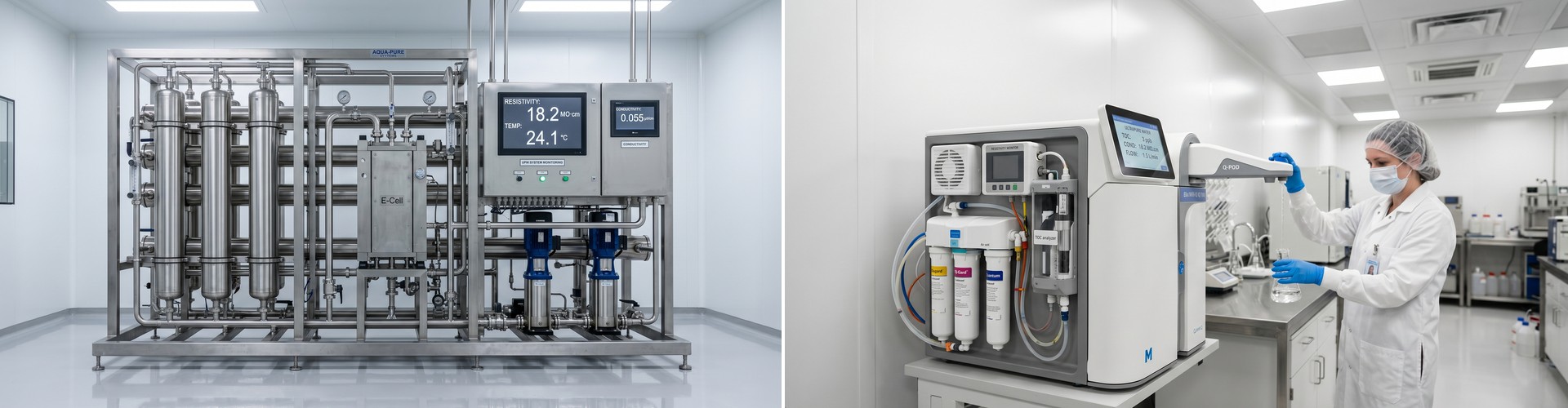
5 ranges to choose from
-
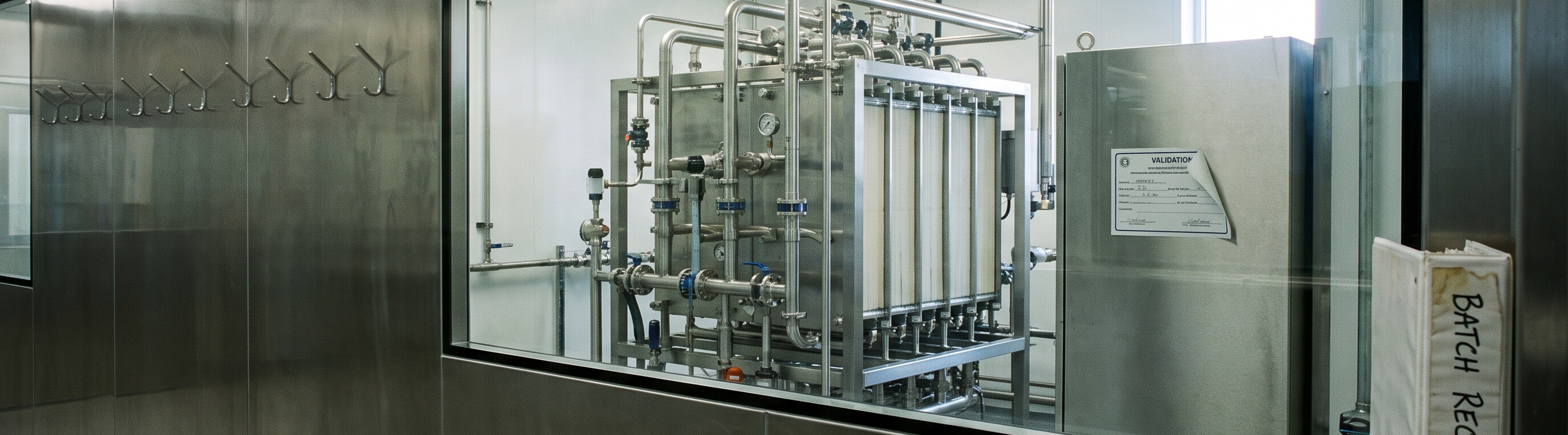
Electro Deionzation (EDI)
Ampac USA design and engineer customized RO and EDI for Efficient ultrapure water production, all on a single skid that is fully built and factory tested.
- Models
- 1
-
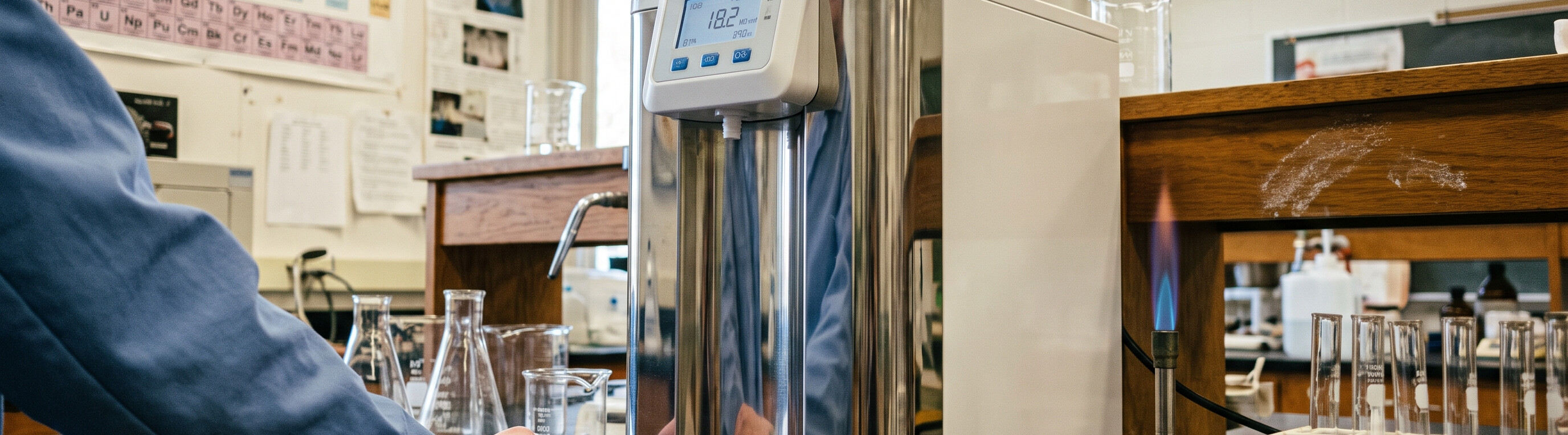
Reagent Grade Laboratory Water Purification Systems
Ampac USA design and manufacture ultrapure water purification systems that meets Reagent Grade Laboratory Water type I, II & III Water.
- Models
- 3
-
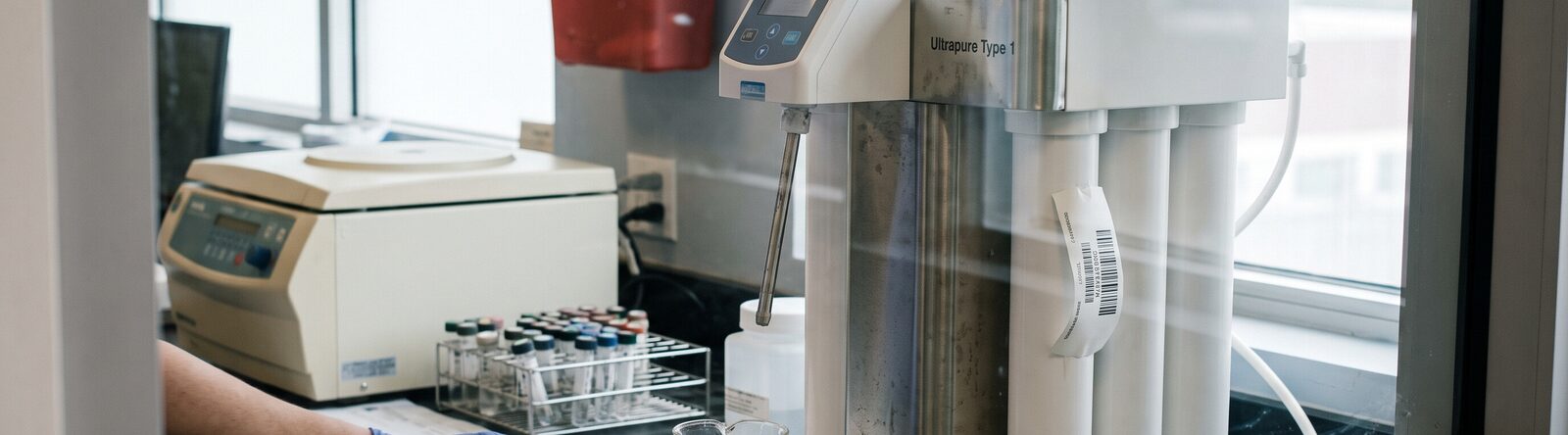
Type 1 Laboratory Water
AMPAC USA’s Ultrapure water systems have been successfully installed and are operating in semi-conductor firms (E-1 electronics grade water).
- Models
- 3
-
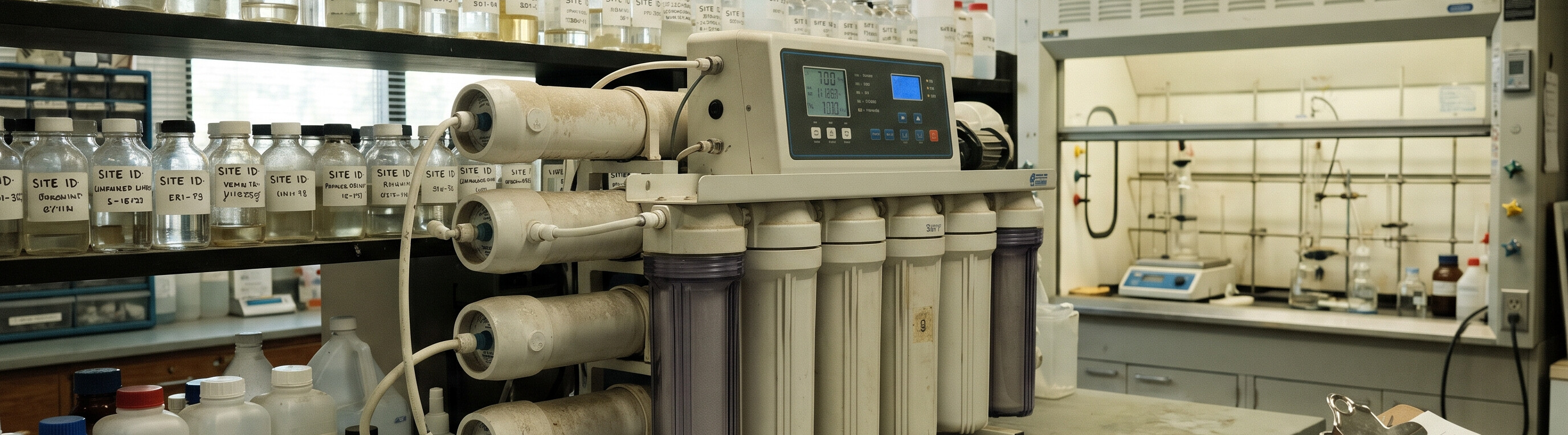
Type 1,2,3 Lab Water
AMPAC USA offers a complete line of Ultra pure water purification systems, our systems are high quality reverse osmosis systems, yet economical and effective.
- Models
- 1
-
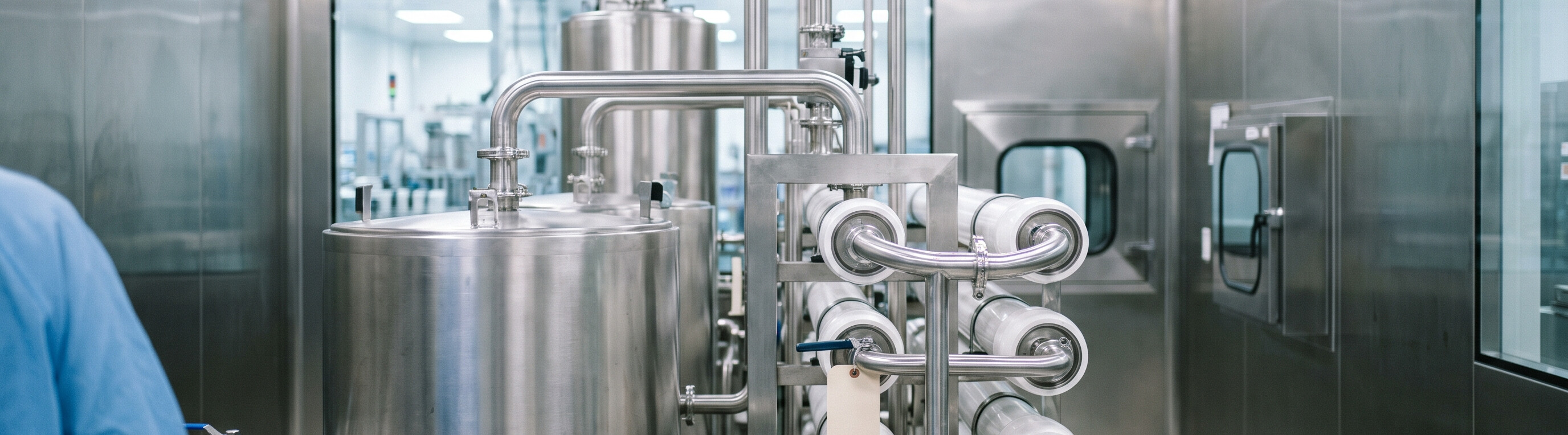
USP Water
AMPAC USA’s Ultra pure water systems have been successfully installed and are operating in semi-conductor firms (E-1 electronics grade water).
- Models
- 1
About High Purity Water Systems
Sizing a system? Send your flow rate and a feed-water analysis, and an AMPAC engineer will work out the configuration with you.
AMPAC USA builds high purity water systems that deliver Type I, II or III laboratory water. Every system starts with reverse osmosis, then polishes the water with deionization, UV and a 0.2 micron final filter. Central lab loops run on the APRO-DI15 skid. Biopharma and research users can choose the WFI-HP80 (500 GPD, 80 L/hr) or the WFI-HP160 (1,000 GPD, 160 L/hr), both rated at 18.2 megohm-cm. Tell us the grade, daily volume and feed water, and we'll size the system.
High Purity Water System and Lab Water are often synonymous. Make sure that you have access to it whenever you need it by calling AMPAC USA on 909-548-4900.
Frequently Asked Questions
What resistivity level do AMPAC USA high-purity water systems achieve, and which applications require it?
Our Type I systems produce water at 18.2 megohm-cm resistivity at 25 degrees C, which is the theoretical maximum for pure water. Semiconductor fabrication, HPLC mobile phase preparation, and cell culture media all require this grade to avoid ionic interference that would corrupt results. Analytical chemistry and molecular biology labs are the most common users at this specification.
What is the difference between Type I, Type II, and Type III laboratory water grades?
Type III water suits general glassware rinsing and feed water for Type I polishers. Type II covers most analytical instruments, autoclaves, and reagent preparation. Type I at 18.2 megohm-cm is reserved for critical analysis, molecular biology, and any application where trace ions or organics would introduce error.
How often do DI resins and filters need replacement in a high-purity system?
Resin life depends heavily on feed water quality, but our systems include inline resistivity monitoring that gives real-time indication of resin exhaustion rather than relying on guesswork or fixed schedules. A facility with moderate-TDS municipal feed water typically replaces cartridge resins every 3-6 months, while systems fed by RO permeate can extend that to 12-18 months. Never rely on elapsed time alone when resistivity monitoring is available.