
Models
-
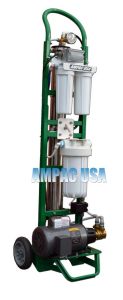
TR-1500
Mobile Reverse Osmosis
1,500 GPD TR-1500
View specifications -
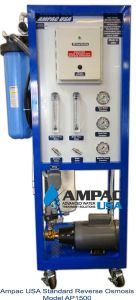
AP1500
Commercial Reverse Osmosis
1,500 GPD 5670 LPD
View specifications -
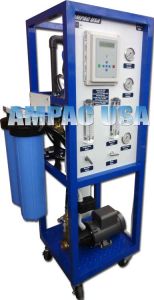
AP2200
Commercial Reverse Osmosis
2,200 GPD 8300 LPD
View specifications -
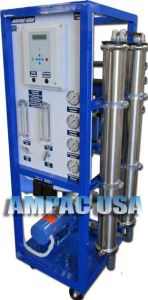
APRO3000
Commercial Reverse Osmosis
3,000 GPD 11,350 LPD
View specifications -
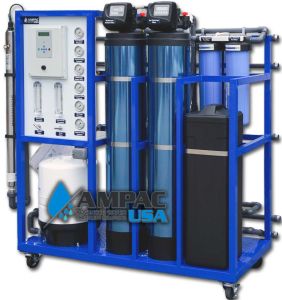
AP4400-LX
Commercial Turnkey Reverse Osmosis
4,400 GPD 16.7 m³/Day
View specifications -
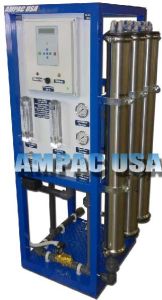
APRO6000
Commercial Reverse Osmosis
6,000 GPD 22,750 LPD
View specifications -
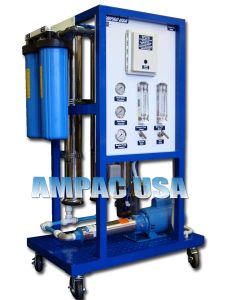
APRO8000
Commercial Reverse Osmosis
8,000 GPD 30,000 LPD
View specifications -
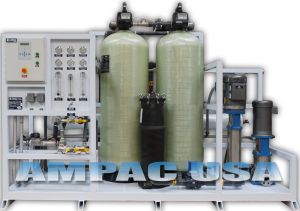
AP20K-LX
Industrial Reverse Osmosis
20,000 GPD 3.18 m³/hr
View specifications -
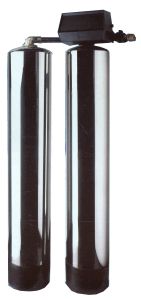
AP3000S
Ion Exchange Twin Alternating Water Softener AP3000S
View specifications
Need an output between two models, or a different feed water? Send us your numbers
About Water Treatment for Car Washes
Sizing a system? Send your flow rate and a feed-water analysis, and an AMPAC engineer will work out the configuration with you.
A car wash's water quality determines more about the customer experience than most operators realize. Spots and streaks on the finish after a wash almost always trace back to dissolved minerals in the rinse water, not to the soap or equipment. Hard water leaves calcium and magnesium deposits on paint and glass as it dries. High TDS water on a dark vehicle in direct sunlight looks like the car was never washed at all. For express washes competing on results and throughput, water quality is a direct competitive advantage.
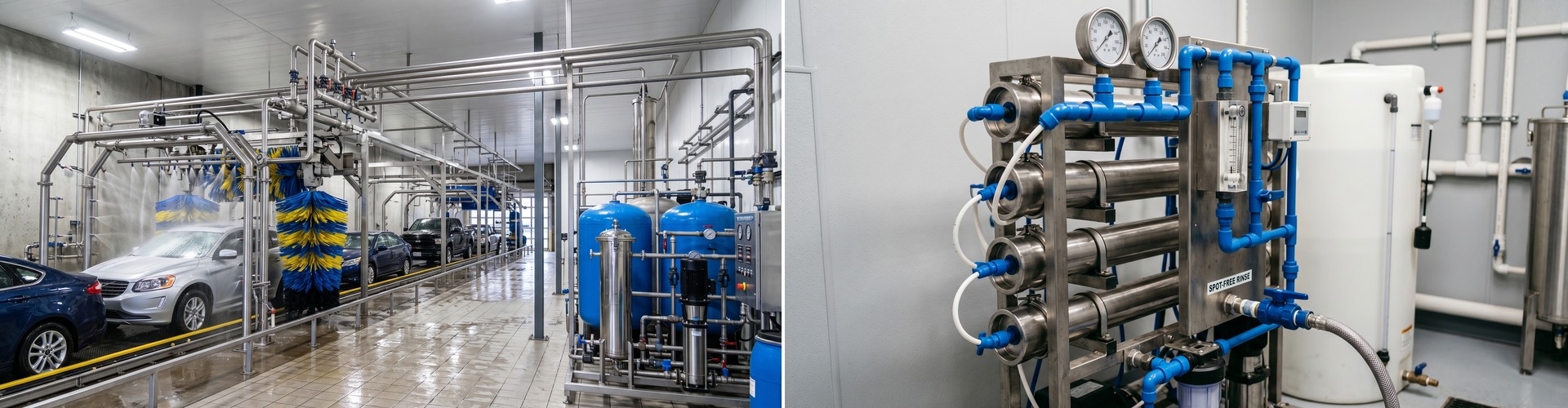
The industry solution is a spot-free rinse system using RO-treated water as the final rinse stage. Reverse osmosis removes dissolved minerals to below 10 ppm TDS, producing rinse water that evaporates without leaving deposits. A vehicle finished with RO rinse water air-dries clean, which also reduces or eliminates the need for blow-drying - saving time per car and cutting energy costs on high-throughput operations.
AMPAC USA designs commercial RO water treatment systems for car wash facilities from single-bay express washes to large-format full-service and detail operations. System sizing is based on peak hourly throughput and rinse water demand, with RO permeate storage to smooth out demand spikes during busy periods. Pre-treatment removes chlorine and sediment that would otherwise foul RO membranes and shorten their service life. Inline TDS monitors confirm output quality continuously and alert operators when membrane performance needs attention.
Water reclaim systems - separating and recycling wash water while discharging concentrated rinse water - reduce overall water consumption significantly, an increasingly important consideration as water costs rise and discharge regulations tighten in many jurisdictions. AMPAC designs integrated reclaim and treatment systems that meet local discharge requirements while minimizing water purchase costs.
Contact AMPAC USA at (909) 548-4900 to discuss spot-free rinse systems and water treatment for your car wash operation.
Frequently Asked Questions
What TDS level is needed for spot-free rinse water in professional car washing?
Spot-free rinse systems require water below 10 ppm TDS, and most operators target under 5 ppm to eliminate water spots on glass and painted surfaces after the final rinse. Municipal water typically runs 150-400 ppm TDS depending on the source, so reverse osmosis is the standard treatment method. Our spot-free RO units produce consistent low-TDS water that dries clean without residue or mineral deposits.
How long do RO membranes last in a high-volume car wash environment?
Membrane life in car wash applications depends heavily on feed water quality and pretreatment. With proper 5-micron sediment prefiltration and carbon block treatment to remove chlorine, membranes typically last 2-4 years under continuous commercial use. AMPAC USA sizes systems with recovery rates matched to your feed water hardness and daily volume so membranes are not stressed beyond rated capacity.
What GPD capacity does a tunnel car wash need for spot-free rinse?
A busy tunnel wash running 100-150 cars per hour typically needs 2,000-5,000 GPD of RO product water for the final rinse arch, with a pressurized storage tank to buffer peak demand. Flex days and weekend volume spikes require enough tank capacity to prevent the system from falling behind. We design storage and pump configurations based on your peak throughput rather than average daily counts.
Can car wash RO systems treat recycled wash water, or only fresh municipal feed?
Our RO systems treat fresh municipal water for spot-free rinse; recycled wash water contains surfactants, oil, and particulates that would foul RO membranes rapidly without extensive pretreatment. The most common approach is a two-loop design where reclaim systems handle the wash and rinse stages, and a separate RO unit feeds only the final spot-free arch from fresh municipal supply. This approach cuts overall water consumption by 60-70% while protecting membrane assets.
What happens to the RO reject water, and how can car washes minimize waste?
Standard car wash RO systems operate at 50-75% recovery, meaning 25-50% of feed water exits as concentrate with elevated TDS. Most operators route concentrate to the reclaim system for use in wash stages rather than discharging it, effectively recovering that volume. AMPAC USA can configure high-recovery systems up to 80%+ recovery for markets with water surcharges or discharge restrictions.
How does water temperature affect spot-free RO system performance in colder climates?
RO membrane output drops roughly 3% per degree Celsius below 25 degrees C, so a system sized for summer production will underperform in winter if feed water temperature drops below 10 degrees C. AMPAC USA accounts for seasonal temperature ranges during system sizing, either by building in capacity margin or by specifying low-temperature membranes. Operators in cold climates should also insulate feed lines and storage tanks to prevent performance loss and freeze damage.