
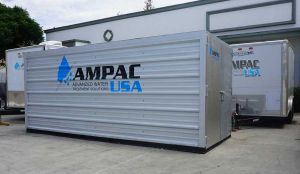
Emergency Portable Reverse Osmosis 20,000 GPD, AP20K-LX-C by AMPAC USA is suitable to serve commercial & residential units. To order it today, call 909-548-4900.
View details
Commercial Reverse Osmosis 800 GPD system removes impurities & TDS for your business. Reliable water treatment. | AMPAC USA
View details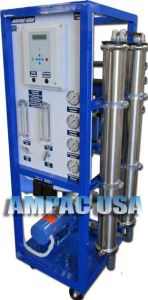
Get TDS-free, contamination-free water with the Commercial Reverse Osmosis 3000 GPD system for your business | AMPAC USA
View details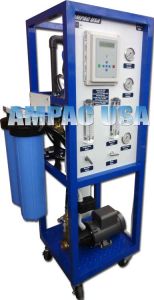
Commercial Reverse Osmosis 2200 GPD / 8300 LPD for hotels & businesses. Reliable water treatment solutions. | AMPAC USA
View details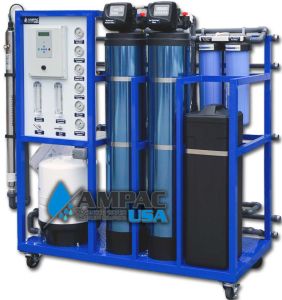
Commercial Turnkey Reverse Osmosis 2,200 GPD system for brackish water treatment. Best price on AP2200-LX RO systems | AMPAC USA
View detailsFrequently Asked Questions
What is the purpose of a pilot RO skid, and when is one justified before full-scale system design?
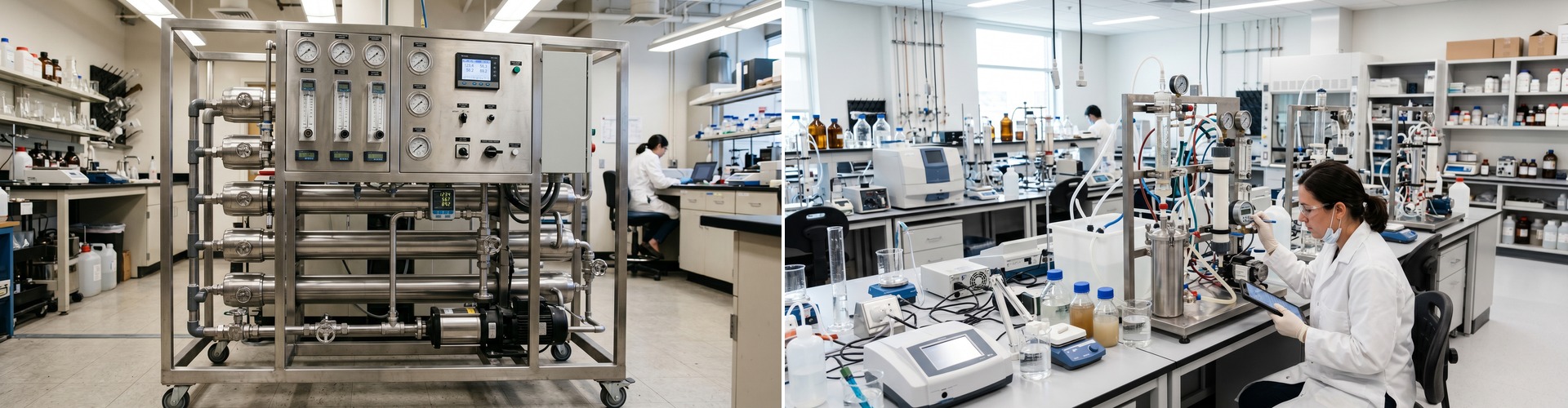
A pilot RO skid tests membrane performance, fouling rates, and pretreatment effectiveness on actual site water before committing to a permanent system design. Pilot testing is particularly valuable for unusual water chemistries, high-value projects above $500,000, or applications where membrane fouling risk is elevated by organics, silica, or biological content. Three to six months of pilot data reduces design risk and can prevent costly oversizing or undersizing of the full-scale system.
What parameters does a standard RO pilot unit measure and record?
A fully instrumented pilot unit monitors feed, permeate, and concentrate flow rates; feed, permeate, and concentrate pressure; conductivity or TDS at each stream; and temperature continuously. Normalized permeate flow and normalized salt rejection are calculated from these measurements to separate actual membrane performance changes from the effects of temperature and feed concentration variation. AMPAC USA pilot skids include data logging at user-adjustable intervals from 1 minute to 1 hour for trend analysis over extended test periods.
How long must a pilot test run before results are statistically meaningful?
A minimum of 90 days of continuous operation is generally needed to observe initial fouling trends, assess the effectiveness of antiscalant programs, and identify seasonal water quality effects on system performance. Sites with known biological fouling risk benefit from testing through summer months when bacterial activity peaks. Shorter tests of 30 days can confirm basic feasibility but are insufficient to size cleaning frequency or predict membrane replacement intervals with confidence.
Can pilot testing units be rented from AMPAC USA rather than purchased?
We offer pilot systems on rental programs for standard testing durations from 3 to 12 months, including delivery, commissioning, and technical support during the test period. Rental is practical for engineering studies, competitive membrane evaluations, and one-time project feasibility work where the pilot unit has no long-term use after testing is complete. Rental rates are credited toward a full-scale system purchase when the project proceeds.
What deliverables does AMPAC USA provide at the conclusion of a pilot test program?
At program completion we provide a formal pilot study report including normalized performance trend charts, fouling indices, cleaning effectiveness data, recommended pretreatment modifications, and a recommended full-scale system design basis. The report includes membrane manufacturer review of the element autopsy results if elements are sacrificed for inspection at test conclusion. This report is formatted to support capital appropriation requests and engineering design packages for the full-scale system.