
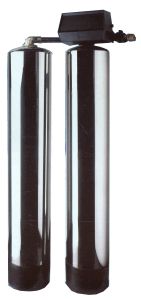
AP3000S Ion Exchange Twin Alternating Water Softener from AMPAC USA eliminates hard water problems for a continuous soft water supply. | AMPAC USA
View details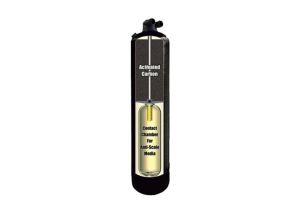
No salt E Treat Water Softener, AP2500S by AMPAC USA allows you to get conditioned water that doesn’t lead to scale formation in pipes. Call 909-548-4900 to buy
View details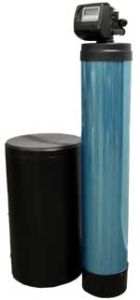
Soften hard water with the AP2000S Ion Exchange Water Softener. Enjoy clean, drinkable water for your home. | AMPAC USA
View details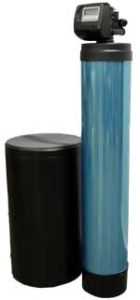
AP1500S Ion Exchange Water Softener eliminates hardness minerals for cleaner water. Learn more about this water treatment system | AMPAC USA
View details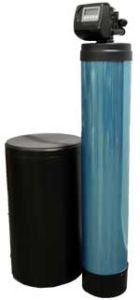
AP1000S Ion Exchange Water Softener quickly reduces water hardness. Find specs & details for this AMPAC USA water treatment system. | AMPAC USA
View detailsFrequently Asked Questions
How does lead get into drinking water?
Lead enters through corrosion of plumbing materials – not from the water source. Common entry points: lead service lines (pre-1960 homes), lead solder in copper joints (banned 1986), and lead-containing brass fixtures. Low-pH or chloraminated water is more corrosive and leaches more lead.
Does reverse osmosis remove lead from water?
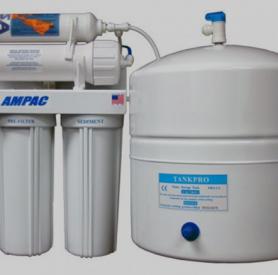
Yes – RO achieves 95–99% lead rejection regardless of source. AMPAC USA under-sink RO systems consistently reduce lead from 50–200 ppb to below 1 ppb. Rejection is mechanical through the 0.0001-micron membrane pore – unlike carbon filters, there is no adsorption capacity that degrades over time.
What other methods remove lead from drinking water?
- NSF/ANSI 53 certified carbon block filters – adsorb lead ions at point of use
- KDF-55 media – electrochemical reduction of lead and heavy metals
- Distillation – effective but slow and energy-intensive
AMPAC USA recommends point-of-use RO for highest removal efficiency and broadest contaminant coverage beyond lead alone.
What are EPA limits for lead in drinking water?
- Action level: 15 ppb – utilities must take corrective action if exceeded in 10%+ of high-risk tap samples
- Trigger level: 10 ppb – proactive planning required under 2021 LCRR
- MCLG: zero – no safe level of lead in drinking water
Point-of-use RO is the only way to guarantee lead-free water at the tap, regardless of service line replacement status.