
Models
-
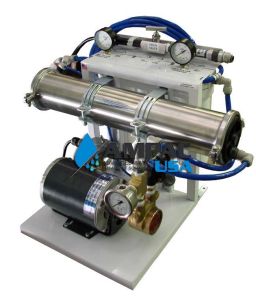
APRO800-1
Commercial Reverse Osmosis
800 GPD 3000 LPD
View specifications -
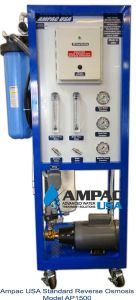
AP1500
Commercial Reverse Osmosis
1,500 GPD 5670 LPD
View specifications -
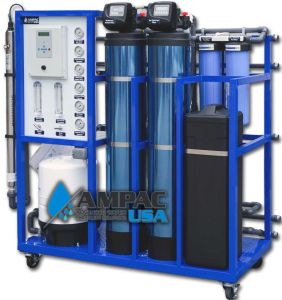
AP1500-LX
Commercial Turnkey Reverse Osmosis
1,500 GPD 5.7 m³/Day
View specifications -
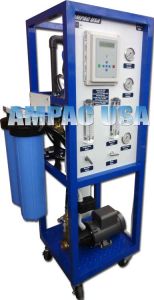
AP2200
Commercial Reverse Osmosis
2,200 GPD 8300 LPD
View specifications -
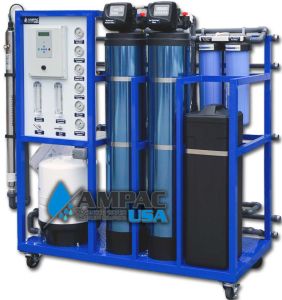
AP2200-LX
Commercial Turnkey Reverse Osmosis
2,200 GPD 8.3 m³/Day
View specifications -
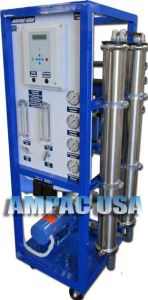
APRO3000
Commercial Reverse Osmosis
3,000 GPD 11,350 LPD
View specifications -
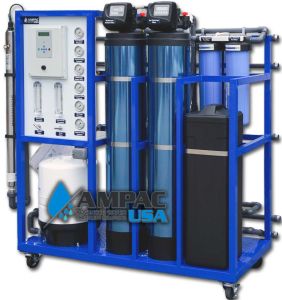
AP4400-LX
Commercial Turnkey Reverse Osmosis
4,400 GPD 16.7 m³/Day
View specifications -
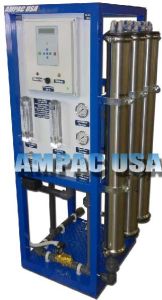
APRO6000
Commercial Reverse Osmosis
6,000 GPD 22,750 LPD
View specifications -
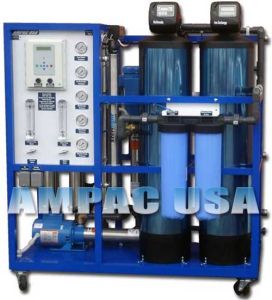
AP6000-LX
Commercial Turnkey Reverse Osmosis
6,000 GPD 22.7 m³/Day
View specifications -
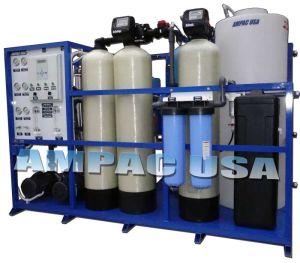
AP6000-SM-LX
Industrial Reverse Osmosis
6,000 GPD 22.7 m³/Day
View specifications -
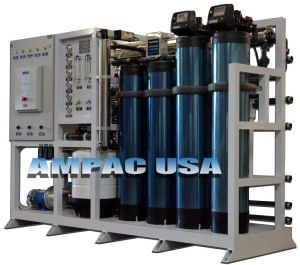
AP8000-LX-1
Industrial Reverse Osmosis
8,000 GPD 30.2 m³/Day
View specifications -
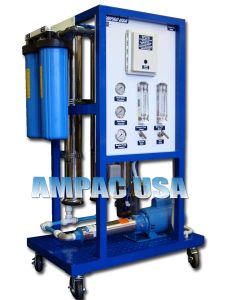
APRO8000
Commercial Reverse Osmosis
8,000 GPD 30,000 LPD
View specifications -
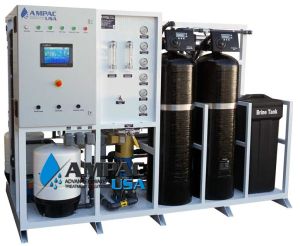
AP10K-LX
Industrial Reverse Osmosis
10,000 GPD 1.6 m³/hr
View specifications -
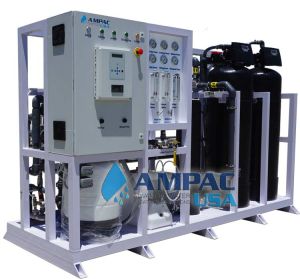
AP12K-LX
Industrial Reverse Osmosis
12,000 GPD 1.9 m³/hr
View specifications -
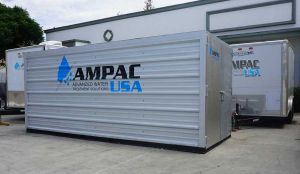
AP20K-LX-C
Emergency Portable Reverse Osmosis
20,000 GPD 3.18 m³/hr
View specifications -
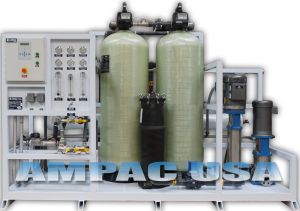
AP20K-LX
Industrial Reverse Osmosis
20,000 GPD 3.18 m³/hr
View specifications -
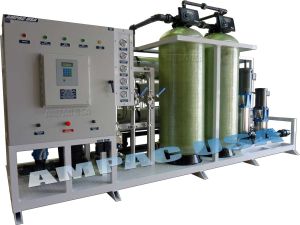
AP25K-LX
Industrial Reverse Osmosis
25,000 GPD 4.0 m³/hr
View specifications -
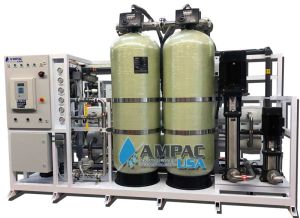
AP30K-LX
Industrial Reverse Osmosis
30,000 GPD 4.75 m³/hr
View specifications -
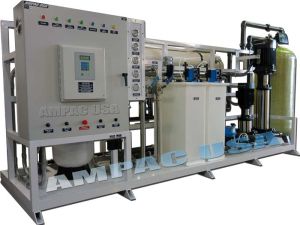
AP40K-LX
Industrial Reverse Osmosis
40,000 GPD 6.30 m³/hr
View specifications -
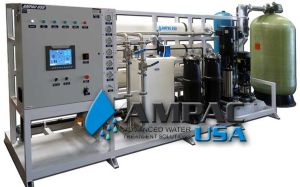
AP60K-LX
Industrial Reverse Osmosis
60,000 GPD 9.5 m³/hr
View specifications -
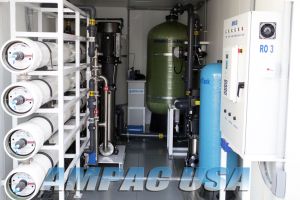
BWRO80K-LX
Mobile Turnkey Reverse Osmosis Water Purification
80,000 GPD 12.6 m³/hr
View specifications -
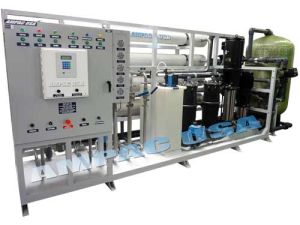
AP80K-LX
Industrial Reverse Osmosis
80,000 GPD 12.6 m³/hr
View specifications -
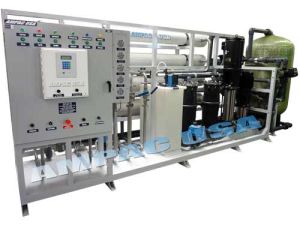
AP100K-LX
Industrial Reverse Osmosis
100,000 GPD 15.8 m³/hr
View specifications -
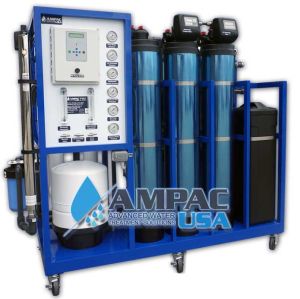
AP3000-LX-ALK
Alkaline Water Reverse Osmosis AP3000-LX-ALK
View specifications
Need an output between two models, or a different feed water? Send us your numbers
About Aerospace Water Treatment Systems
Sizing a system? Send your flow rate and a feed-water analysis, and an AMPAC engineer will work out the configuration with you.
Aircraft manufacturing requires water with resistivity above 18 megohm-cm - a threshold only consistent RO/DI treatment reliably achieves. Any drop in water purity contaminates the fabrication process, damages precision components, and creates expensive rework.
AMPAC USA designs and builds RO/DI systems for aerospace applications where ultrapure water is used in machining coolants, surface preparation, component washing, and anodizing baths. Our systems maintain consistent output throughout the system's operational life. Resistivity stays above 18 megohm-cm, not just on day one, but year after year.
Defense contractors, aircraft OEMs, and aerospace component suppliers across North America, Europe, and Asia rely on AMPAC systems. Our engineers start from raw water analysis, carry designs through pressure testing, and commission systems on-site. Every system ships factory-built and factory-tested before it reaches your facility.
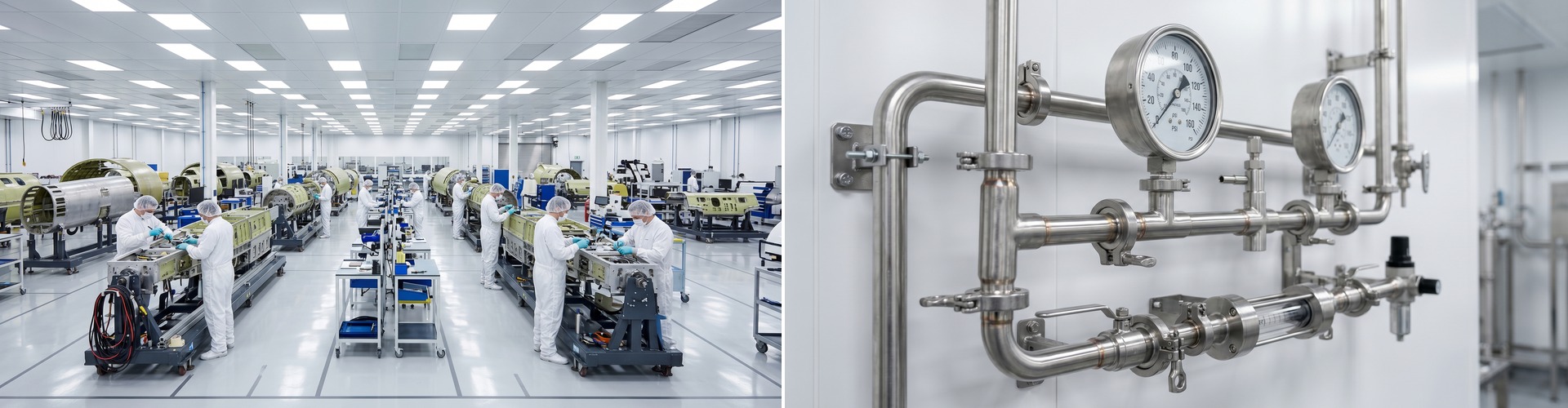
Aerospace applications served by AMPAC include composite part washing and de-ionized rinse stations, hydraulic fluid test stand water supply, precision cleaning of avionics components, and water for fuel cell and electrochemical testing equipment. Where cleanroom or Class 100 environments require particulate-free water delivery, AMPAC designs distribution loops with sub-micron ultrafilter membranes and recirculating pump configurations that prevent dead-leg growth and particulate accumulation at tap points.
Contact AMPAC USA to discuss water purity requirements for your aerospace application - (909) 548-4900.
Frequently Asked Questions
What water purity level is required for aerospace component washing and anodizing processes?
Aerospace component washing and anodizing require ultrapure water at 18 megohm-cm resistivity to prevent ionic contamination on precision metal surfaces. Even trace minerals at 1-2 ppm can cause spotting, oxidation interference, or adhesion failures in anodizing baths. Our RO/DI systems deliver consistent 18 megohm-cm output with multi-stage polishing to meet those tolerances.
How does reverse osmosis protect aerospace anodizing bath chemistry?
Anodizing bath makeup water with high TDS introduces sulfate and chloride ions that compete with the anodizing reaction, producing uneven oxide layers. AMPAC USA builds RO systems that reduce incoming TDS by 95-99%, typically bringing 300-500 ppm municipal water down to under 10 ppm before the DI polishing stage. That clean feedwater extends bath life and reduces reject rates on finished components.
What flow rates do aerospace facilities typically need for ultrapure water systems?
Production washlines and multi-tank anodizing operations commonly require continuous flow between 500 GPD and 50,000 GPD depending on part volume and rinse tank turnover rates. Our systems are sized to match peak demand with buffer storage, so rinse tank TDS stays below 5 ppm throughout a full production shift. We also design recirculating DI loops that maintain resistivity without constant membrane cycling.
Can AMPAC USA systems handle the silica and hardness levels common in Western US aerospace facilities?
Many aerospace facilities in California, Arizona, and Nevada deal with feedwater silica above 20 ppm and total hardness above 300 ppm as CaCO3, both of which aggressively foul RO membranes without pretreatment. Our systems incorporate antiscalant dosing, softening, or media filtration upstream of the membrane array based on a site-specific water analysis. Proper pretreatment extends membrane life past 5 years and keeps replacement costs predictable.
What monitoring is built into aerospace ultrapure water systems?
Inline resistivity monitors at the point of use give real-time feedback on water quality, with alarms set to alert operators when resistivity drops below 15 megohm-cm. AMPAC USA also integrates TOC monitoring for applications where organic contamination is a concern, such as optical component cleaning. Data logging capability supports quality records required under AS9100 and customer traceability requirements.
How does AMPAC USA handle system validation documentation for aerospace customers?
We provide full IQ/OQ documentation packages upon request, including membrane test reports, system performance data at commissioning, and P&ID drawings. Aerospace primes and Tier 1 suppliers frequently require traceability on major system components, so we source membranes and instruments with full manufacturer certifications. Our engineering team can work directly with your quality department to meet audit requirements.