

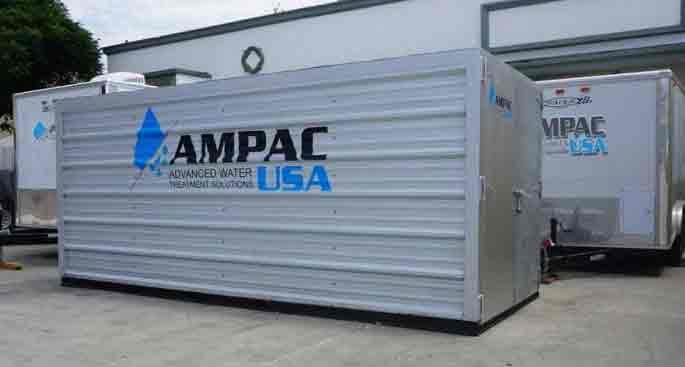
Models
-
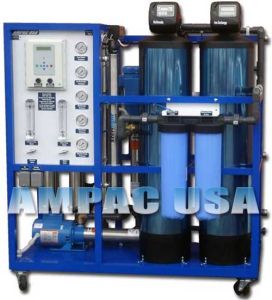
AP6000-LX
Commercial Turnkey Reverse Osmosis
6,000 GPD 22.7 m³/Day
View specifications -
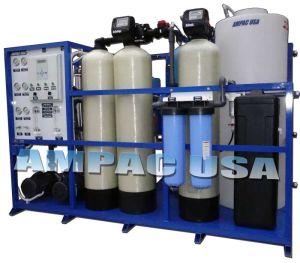
AP6000-SM-LX
Industrial Reverse Osmosis
6,000 GPD 22.7 m³/Day
View specifications -
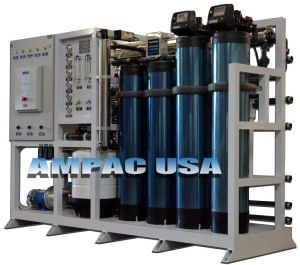
AP8000-LX-1
Industrial Reverse Osmosis
8,000 GPD 30.2 m³/Day
View specifications -
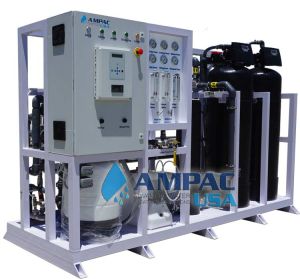
AP12K-LX
Industrial Reverse Osmosis
12,000 GPD 1.9 m³/hr
View specifications -
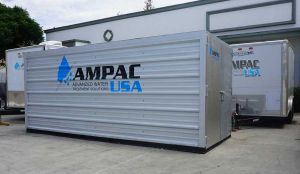
AP20K-LX-C
Emergency Portable Reverse Osmosis
20,000 GPD 3.18 m³/hr
View specifications -
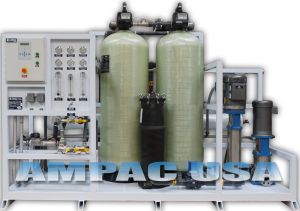
AP20K-LX
Industrial Reverse Osmosis
20,000 GPD 3.18 m³/hr
View specifications -
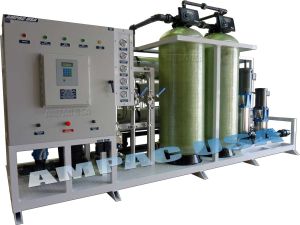
AP25K-LX
Industrial Reverse Osmosis
25,000 GPD 4.0 m³/hr
View specifications -
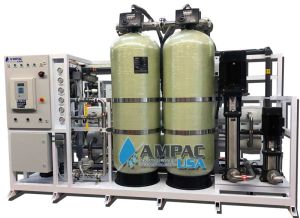
AP30K-LX
Industrial Reverse Osmosis
30,000 GPD 4.75 m³/hr
View specifications -
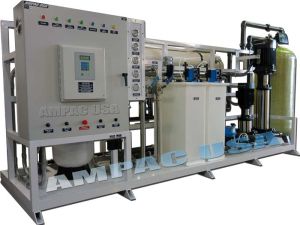
AP40K-LX
Industrial Reverse Osmosis
40,000 GPD 6.30 m³/hr
View specifications -
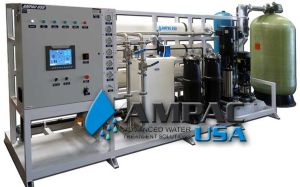
AP60K-LX
Industrial Reverse Osmosis
60,000 GPD 9.5 m³/hr
View specifications -
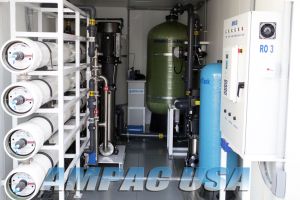
BWRO80K-LX
Mobile Turnkey Reverse Osmosis Water Purification
80,000 GPD 12.6 m³/hr
View specifications -
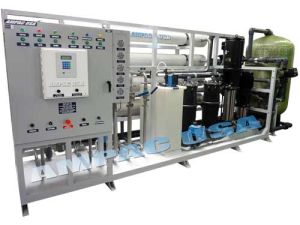
AP80K-LX
Industrial Reverse Osmosis
80,000 GPD 12.6 m³/hr
View specifications -
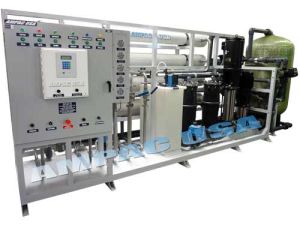
AP100K-LX
Industrial Reverse Osmosis
100,000 GPD 15.8 m³/hr
View specifications
Need an output between two models, or a different feed water? Send us your numbers
About Chiller Makeup Water Treatment
Sizing a system? Send your flow rate and a feed-water analysis, and an AMPAC engineer will work out the configuration with you.
Cooling towers lose water through evaporation continuously, concentrating dissolved minerals in the basin. Without treatment, calcium carbonate and silica scale on heat exchanger surfaces - a 0.04-inch deposit reduces heat transfer efficiency by 40%. At the same time, stagnant warm water is a favorable environment for Legionella bacteria, making biological control a regulatory requirement in most commercial buildings under ASHRAE 188.
AMPAC USA supplies makeup water treatment systems for chiller and cooling tower circuits in commercial, industrial, and institutional facilities. Reverse osmosis on the makeup water supply dramatically reduces the mineral load entering the system, allowing cooling towers to operate at higher cycles of concentration before blowdown - cutting water consumption by 30 to 50% compared to untreated makeup.
For existing systems with established chemistry, AMPAC also designs side-stream filtration and chemical feed packages to control scale, corrosion inhibitor levels, and biocide dosing. Systems are sized to makeup flow rates, tower volume, and local water chemistry. All equipment is pre-assembled on a single skid for straightforward installation into mechanical rooms with limited floor space.
The economic case for RO makeup water treatment is straightforward for large cooling systems. Higher cycles of concentration mean less blowdown, less makeup water purchased, and lower sewer discharge costs. For facilities in areas with rising water rates or strict sewer discharge permits, RO makeup treatment often pays for itself within two to three years through water savings alone - without accounting for the reduction in chemical treatment costs and heat exchanger cleaning frequency.
Contact AMPAC USA at (909) 548-4900 to discuss makeup water treatment options for your cooling tower or chiller system.
Frequently Asked Questions
How does water quality affect cycles of concentration in a cooling tower?
Cycles of concentration measures how many times minerals have been concentrated relative to the makeup water supply. Poor-quality makeup water with high TDS forces operators to blowdown frequently at 2-3 COC, wasting significant water. Treating makeup water with RO to reduce TDS below 50 ppm commonly allows systems to run at 6-8 COC, cutting water consumption by 30-40%.
What TDS should cooling tower makeup water be to maximize COC without scaling?
For most commercial cooling towers, makeup water TDS below 200 ppm allows operation at 5-6 COC without aggressive chemical treatment. At that concentration level, the system blowdown TDS stays under 1,200 ppm, which is manageable with standard corrosion inhibitors. AMPAC USA chiller makeup systems typically target 50-150 ppm product TDS depending on your tower design and local discharge limits.
Can RO treatment reduce chemical usage in a cooling tower program?
Yes, significantly. Lower makeup water TDS means less scale-forming calcium and magnesium entering the system, which reduces the required dose of scale inhibitors and biocides. Many facilities cut chemical spend by 40-60% after installing RO makeup treatment. The capital cost of an RO system often pays back within 18-24 months through chemical and water savings combined.
What flow rate capacity do chiller makeup RO systems typically require?
System capacity depends on tower volume, evaporation rate, and target COC. A 500-ton cooling tower typically evaporates 75-100 GPH, and running at 6 COC requires only 15-17 GPH of RO product continuously. Most installations use a small-capacity RO with a product tank sized to handle overnight makeup demand without running the system continuously.
How does Legionella risk relate to makeup water quality in cooling towers?
Nutrient-rich makeup water with high organic loading creates conditions where Legionella bacteria thrive in biofilm on tower fill and basin surfaces. RO-treated makeup water reduces the organic load entering the system, making it harder for biofilm to establish. This does not replace a proper biocide program, but lower nutrient levels mean biocide dosing is more effective and required less frequently.