

Models
-
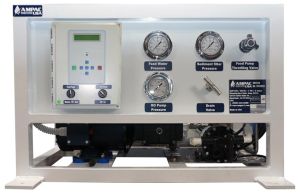
SWRO100
Seawater Desalination RO Watermaker
100 GPD 380 LPD
View specifications -
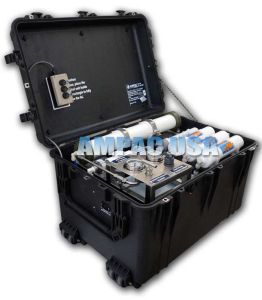
SW150
Portable Emergency Seawater Desalination Watermaker
150 GPD 560 LPD
View specifications -
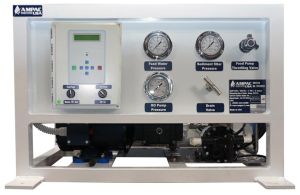
SW200
Seawater Desalination RO Watermaker
200 GPD 750 LPD
View specifications -
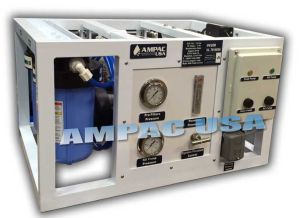
SW300
Seawater Desalination RO Watermaker
300 GPD 1135 LPD
View specifications -
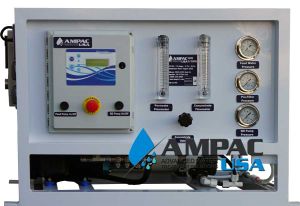
SW600
Seawater Desalination Watermaker
600 GPD 2270 LPD
View specifications -
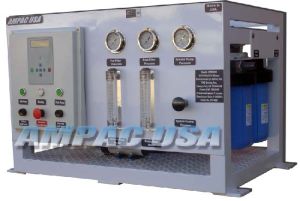
SW1000
Seawater Desalination Watermaker
1,000 GPD 3780 LPD
View specifications -
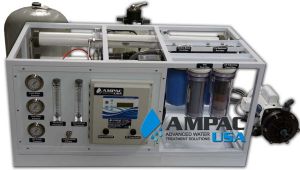
SW1500
Seawater Desalination Reverse Osmosis Watermaker
1,500 GPD 5,670 LPD
View specifications -
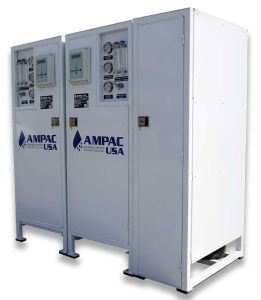
SW2000-LC
Twin Redundant Seawater Desalination RO Watermakers 2 X
2,000 GPD 2 X 7,500 LPD
View specifications -
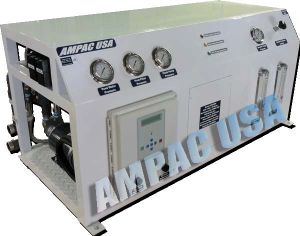
SW2000
Seawater Desalination Reverse Osmosis Watermaker
2,000 GPD 7,500 LPD
View specifications -
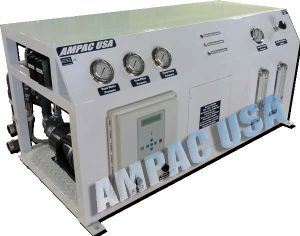
SW3000
Seawater Desalination Reverse Osmosis Watermaker
3,000 GPD 11,350 LPD
View specifications -
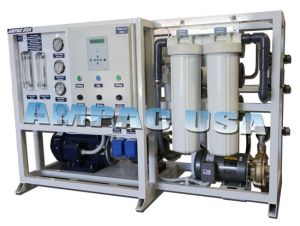
SW4500
Seawater Desalination Reverse Osmosis Watermaker
4,500 GPD 17,000 LPD
View specifications -
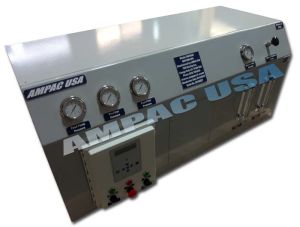
ROWPU-SW4500
ROWPU SW4500 (/17000LPD)
4,500 GPD
View specifications -
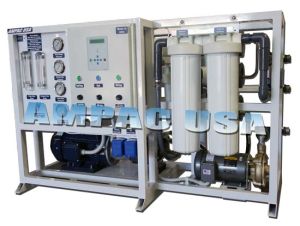
SW5000
Seawater Desalination Reverse Osmosis Watermaker
5,000 GPD 19,000 LPD
View specifications -
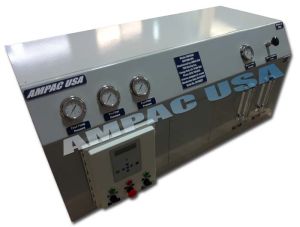
ROWPU-SW5000-ML
ROWPU SW5000 (/19000LPD)
5,000 GPD
View specifications -
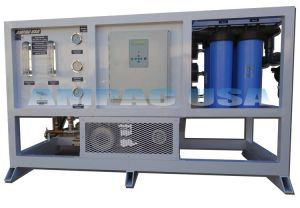
SW6000
Seawater Desalination Reverse Osmosis Watermaker
6,000 GPD
View specifications -
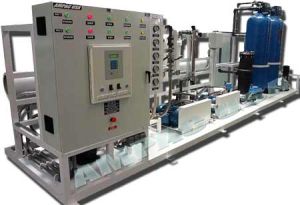
SW24K-LX
Seawater Desalination Watermaker SW24000-LX (Dual Units on one Skid)
12,000 GPD
View specifications -
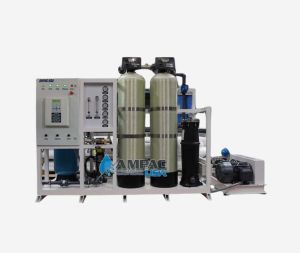
SW9000-LX
Seawater Desalination Watermaker (Land Based) - Model: SW9000-LX
View specifications -
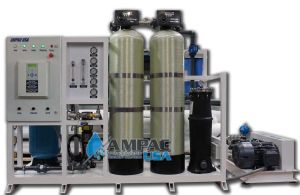
SW10K-LX
Seawater Desalination Watermaker (Land Based) - Model: SW10K-LX
View specifications -
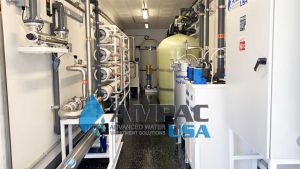
SW80K-LXC
Mobile Seawater Desalination Watermaker SW80K-LXC
View specifications -
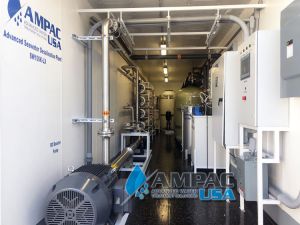
SW100K-LXC
Mobile Seawater Desalination Plant
SW100K-LXC
View specifications -
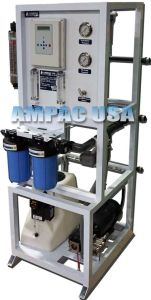
SW500-LC
Seawater Desalination Model: SW500-LC
View specifications -
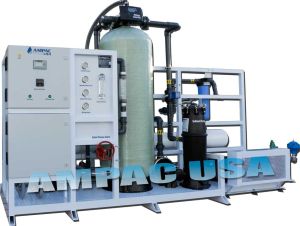
SW20K-LX
Sea Water Desalination Watermaker (Land Based) SW20K-LX
View specifications -

SW100K-LX
Mobile Seawater Desalination Watermaker System
SW100K-LX
View specifications -
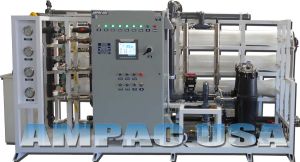
SW80000-LX
Sea Water Desalination Watermaker (Land Based) SW80K-LX
View specifications -
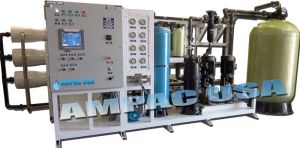
SW60K-LX
Seawater Desalination Watermaker (Land Based) SW60K-LX
View specifications -
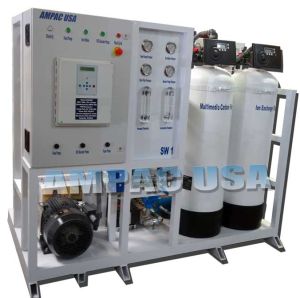
SW6000-LX
Seawater Desalination Model: SW6000-LX
View specifications -
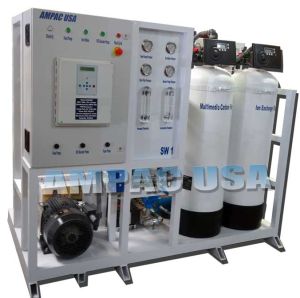
SW5000-LX
Seawater Desalination Model: SW5000-LX
View specifications -
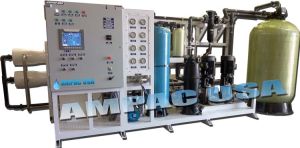
SW40K-LX
Sea Water Desalination Watermaker (Land Based) SW40K-LX
View specifications -
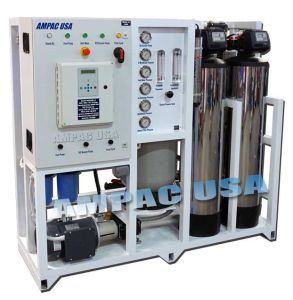
SW4000-LX
Sea Water Desalination Watermaker (Land Based) - Model: SW4000-LX
View specifications -
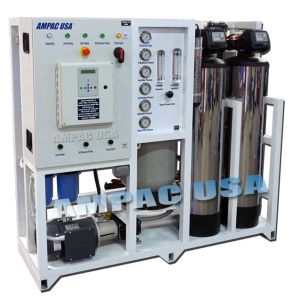
SW3000-LX
Seawater Desalination Model: SW3000-LX
View specifications -
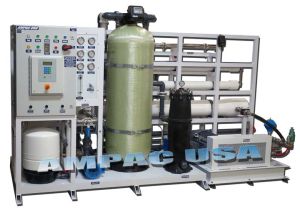
SW12000-LX
Seawater Desalination Watermaker (Land Based) - Model: SW12000-LX
View specifications -
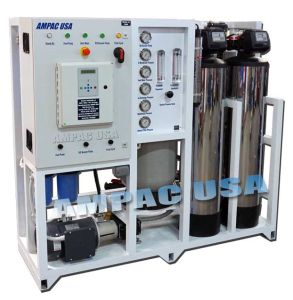
SW2000-LX
Sea Water Desalination Model: SW2000-LX
View specifications -
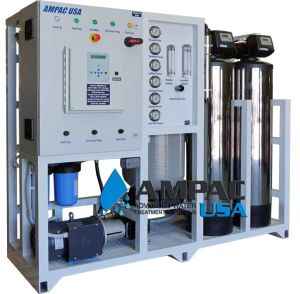
SW1500-LX
Seawater Desalination Model: SW1500-LX
View specifications -
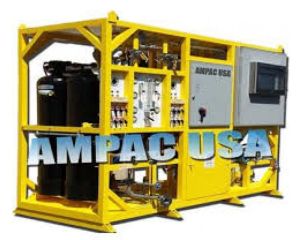
SW20K-C1D2
Off-Shore Sea Water Desalination Watermaker SW20K-Class1-Div2
View specifications -
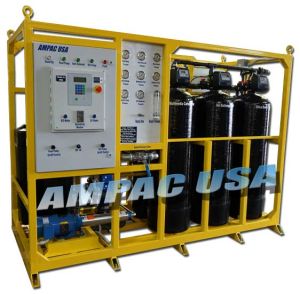
SWRO10K-C1D2
Off-Shore Sea Water Desalination Watermaker SW10K-C1D2
View specifications
Need an output between two models, or a different feed water? Send us your numbers
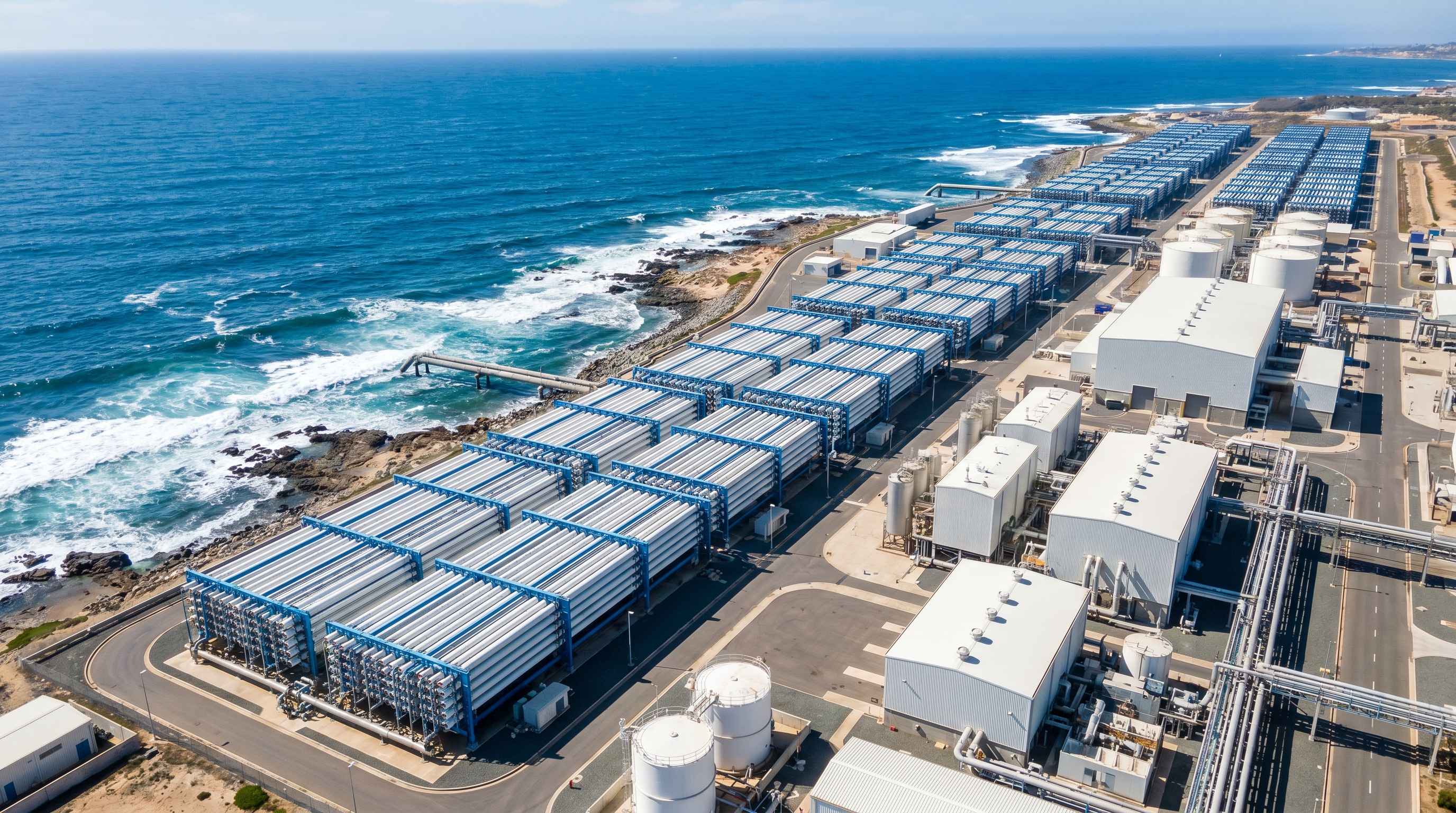
About Seawater Desalination Systems
Sizing a system? Send your flow rate and a feed-water analysis, and an AMPAC engineer will work out the configuration with you.
Seawater reverse osmosis (SWRO) forces ocean water through a semi-permeable membrane at 800–1,000 PSI, rejecting dissolved salts and producing permeate water under 500 ppm TDS from source water at 35,000 ppm. AMPAC USA has designed and built seawater desalination systems for over 30 years, ranging from 150 GPD portable watermakers to large-scale land-based plants, serving coastal municipalities, island communities, resorts, and offshore platforms on six continents. Energy recovery is standard above 10,000 GPD, cutting specific energy consumption to 2.5–3.5 kWh per cubic meter. Contact AMPAC USA at (909) 548-4900 to discuss desalination requirements for your site. For mobile and portable configurations, see our mobile water treatment systems and marine seawater desalination systems.
AMPAC's seawater RO systems are designed around high pressure reverse osmosis membranes that process feed water efficiently, balancing power consumption against system performance to deliver reliable purified water output at any scale.
Frequently Asked Questions
What energy does seawater reverse osmosis require, and how has that changed with energy recovery devices?
SWRO without energy recovery requires 8-12 kWh per cubic meter of product water. Modern plants using pressure exchangers or isobaric energy recovery devices reduce energy consumption to 3-4 kWh per cubic meter, recovering up to 98% of the hydraulic energy in the brine stream. AMPAC USA specifies energy recovery on all SWRO systems above 50,000 GPD because the payback period on the equipment is typically under two years at commercial electricity prices.
What is the typical TDS of seawater and what operating pressure does SWRO require?
Open ocean seawater averages 35,000 mg/L TDS with an osmotic pressure of approximately 400 psi. SWRO systems operate at feed pressures of 800-1,200 psi to overcome osmotic pressure and achieve practical flux rates of 6-14 LMH. Coastal waters with freshwater mixing may have TDS as low as 10,000-20,000 mg/L, which reduces required operating pressure significantly and improves energy efficiency.
What pretreatment is required before SWRO membranes?
Seawater contains suspended solids, biological organisms, organic matter, and scaling ions that would foul SWRO membranes within days without pretreatment. Standard pretreatment includes coagulation, dual-media filtration or ultrafiltration, and cartridge filtration to achieve a Silt Density Index below 3. Antiscalant dosing prevents carbonate and sulfate scale, and chlorination followed by dechlorination controls biological fouling while protecting the polyamide membrane from oxidative damage.
What recovery rate is achievable with seawater RO, and what limits it?
SWRO systems typically operate at 40-55% recovery, meaning 40-55% of the feed seawater becomes product water and 45-60% becomes concentrated brine at 60,000-70,000 mg/L TDS. Recovery is limited by the increasing osmotic pressure of the concentrate, the solubility limits of calcium sulfate and other scaling compounds, and the increasing energy required to maintain flux as brine concentration rises. Pushing recovery above 55-60% requires specialized scale inhibition and higher operating pressures.
What product water quality do AMPAC USA SWRO systems deliver?
Our SWRO permeate typically reaches 200-400 mg/L TDS directly from the membrane, with chloride levels around 50-100 mg/L. Most potable water applications then pass the permeate through a calcite or lime contactor to add alkalinity and hardness, raising pH and reducing the water's corrosivity toward distribution piping. For industrial applications requiring lower TDS, a second-pass RO or mixed-bed DI polishes the permeate further.