

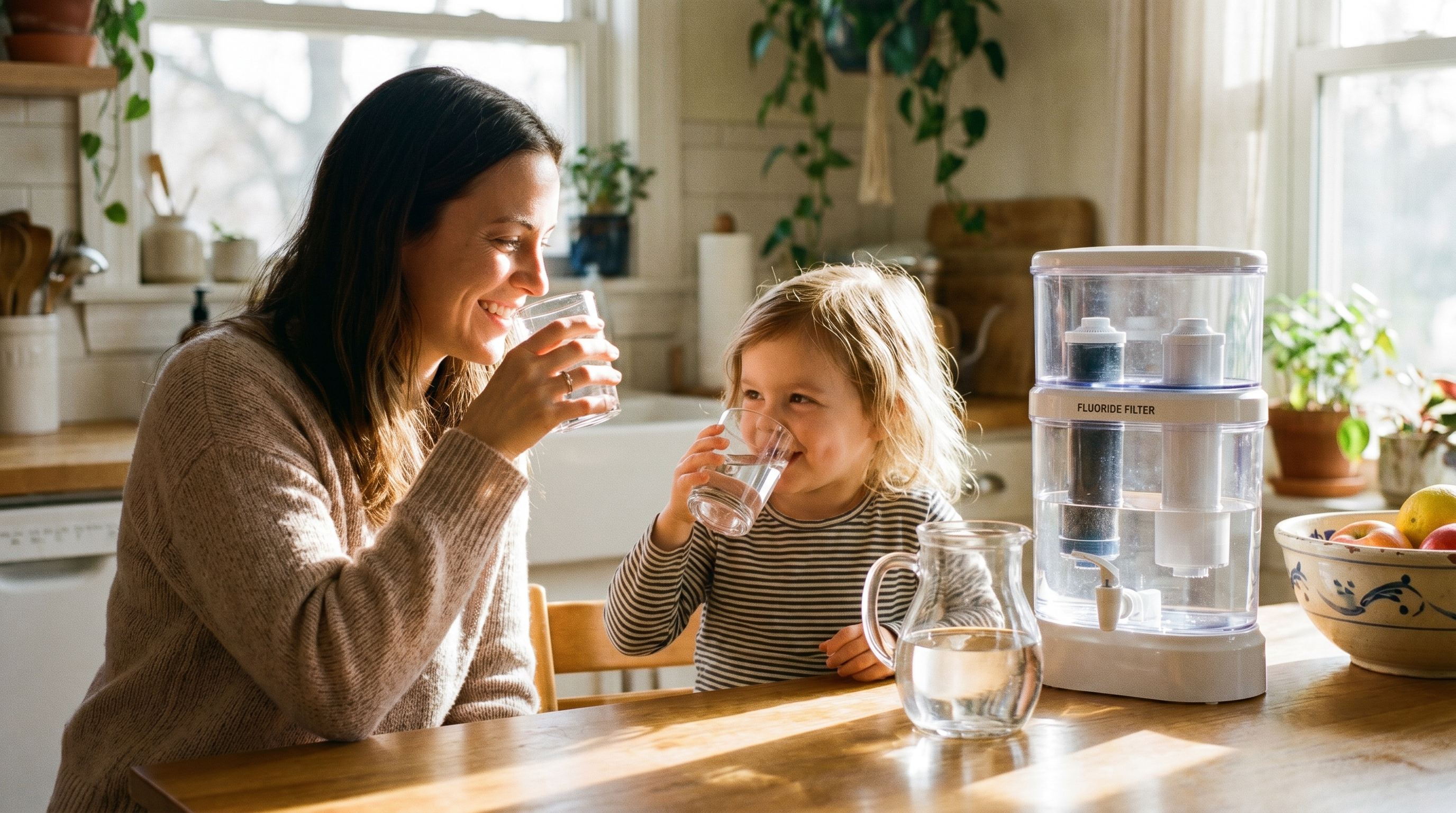
Fluoride Water Is Custom-Built
Fluoride Water requires advanced, engineered-to-order equipment built around your exact water conditions, flow rate, and site requirements — that’s why we don’t list generic units online. Request a quote and one of our engineers will call you to walk through your application and build a solution designed specifically for it.
Frequently Asked Questions
What fluoride concentration is considered safe in drinking water?
The EPA secondary maximum contaminant level for fluoride is 2 mg/L, and the enforceable MCL is 4 mg/L. The World Health Organization guideline of 1.5 mg/L is used in many countries. Our systems are designed to reduce fluoride to below 1 mg/L in finished water, which provides a margin of safety against seasonal variation in source water concentrations.
How does activated alumina remove fluoride from water?
Activated alumina is a porous aluminum oxide granule that selectively adsorbs fluoride ions through surface complexation, similar to the way ferric media adsorbs arsenic. The process works best at pH 5.5-6.5, and we sometimes include a pH adjustment step upstream to optimize removal efficiency. Exhausted activated alumina can be regenerated with sodium hydroxide and acid rinse cycles, extending media life before disposal.
What other contaminants does activated alumina remove besides fluoride?
Activated alumina is also effective at removing arsenic as arsenate, selenium, and silica. This makes it a practical choice for groundwater sources where fluoride and arsenic co-occur, which is common in volcanic aquifer regions. However, phosphate and silica compete with fluoride for adsorption sites, and high levels of these competing ions reduce the effective capacity of the media bed.
Can RO membranes remove fluoride if activated alumina is not preferred?
RO rejects fluoride at 90-96% efficiency, which is sufficient to bring most naturally occurring fluoride levels below 1 mg/L when feed concentrations are under 10 mg/L. For industrial wastewaters with very high fluoride content, we combine chemical precipitation with calcium or aluminum salts followed by RO polishing to reach discharge limits. The choice between adsorption and RO depends on flow rate, initial concentration, and whether concentrate disposal presents a challenge at the site.
How long does activated alumina media last before replacement or regeneration is needed?
In single-use configurations, activated alumina media treats approximately 1,000-3,000 bed volumes before exhaustion, depending on fluoride influent concentration and competing ion levels. A system treating 1 mg/L fluoride in clean source water will last significantly longer than one handling 5 mg/L feed. Regenerable systems can extend media life to several years with proper regenerant management, though regeneration produces a fluoride-concentrated waste stream that requires disposal.