

Models
-
UV-610RL
UV Light bulb replacement UV-610RL
Maintaining the purity of your water supply is paramount, and the UV-610RL replacement UV light bulb from AMPAC USA is designed to keep your ultraviolet sterilizer system providing reliable pathogen inactivation.
View specifications -
UV1
MicroFilter UV filter OPP-UV6W
The MicroFilter UV filter OPP-UV6W by AMPAC USA offers a powerful, versatile solution for ensuring the purity of drinking water.
View specifications -
S8Q-PA
Viqua Sterilight S8Q-PA
The Viqua Sterilight S8Q-PA Ultraviolet Disinfection System offers a powerful, effective solution for ensuring the safety and purity of your household water supply.
View specifications -
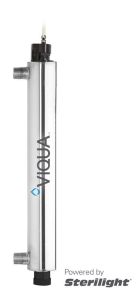
S5Q-PA
Viqua Home S5Q-PA
The Viqua Home S5Q-PA UV System, offered by AMPAC USA, provides a reliable, highly effective solution for ensuring the safety of your home’s water supply.
View specifications -
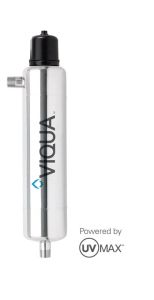
D4-1
Viqua Home Plus D4 (240v)
The Viqua Home Plus D4 (240v) Ultra Violet Water System by AMPAC USA offers a powerful, reliable solution for safe drinking water throughout your entire home.
View specifications -
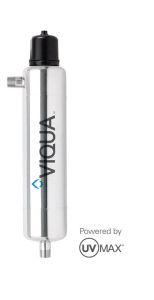
D4
Viqua Home Plus D4 (120v)
The Viqua Home Plus D4 (120v) ultraviolet water system from AMPAC USA offers a cost-effective, reliable solution for safe drinking water throughout your home.
View specifications -
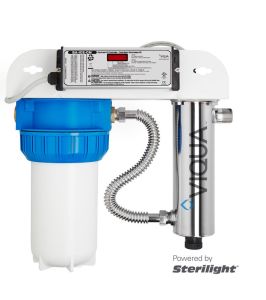
VH200-F10
Viqua Home VH200-F10 (120v)
The Viqua Home VH200-F10 (120v) UV Disinfectant system from AMPAC USA offers instant purification for your household water supply as a point-of-entry system.
View specifications -
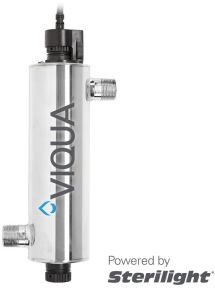
VH200
Viqua Home VH200 (120v)
The Viqua Home VH200 (120v) UV Disinfectant system, supplied by AMPAC USA, provides comprehensive disinfection for residential water at the point of entry, protecting your household from a wide range of harmful microorganisms.
View specifications -
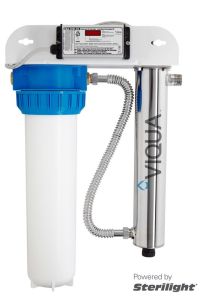
VH410-F20
Viqua Home VH410-F20 (120v)
The Viqua Home VH410-F20 (120v) delivers comprehensive water treatment for residential settings, combining pre-filtration with powerful ultraviolet disinfection.
View specifications -
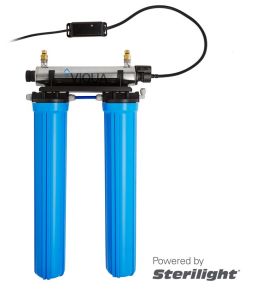
VT4-DWS
Viqua VT4-DWS (120v)
The Viqua VT4-DWS (120v) Copper Series UV System by AMPAC USA is a comprehensive water treatment solution designed to deliver safe, clean drinking water directly to your tap.
View specifications -
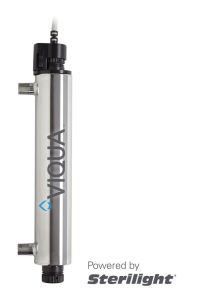
VT4
Viqua VT4 (120v)
The Viqua VT4 Copper Series UV System from AMPAC USA offers a dependable, chemical-free solution for ensuring the safety of your drinking water.
View specifications -
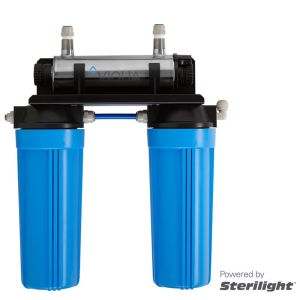
VT1-DWS
Viqua VT1-DWS (120v)
The Viqua VT1-DWS Copper Series UV System, supplied by AMPAC USA, offers a comprehensive solution for ensuring clean and safe drinking water directly at the point of use.
View specifications -
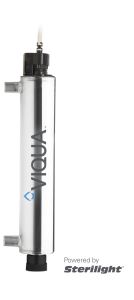
S2Q-PA
Viqua S2Q-PA (120v)
The Viqua S2Q-PA (120v) is a highly effective ultraviolet (UV) disinfection system designed to provide contaminant-free water for various applications.
View specifications -
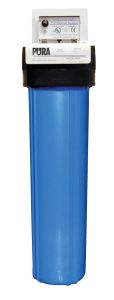
15810100
UV-BB1
The AMPAC USA UV-BB1, also known as the Pura Big Boy Ultra Violet Water Filter BB1, offers a powerful and versatile solution for disinfecting water.
View specifications -
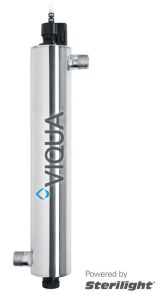
VH410
Viqua Home VH410 (120v)
The Viqua Home VH410 (120v) UV Sterilizer offers a sophisticated and highly effective solution for ensuring the safety and purity of your drinking water.
View specifications -
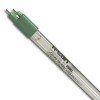
S36RL
Sterilight S36RL Replacement Lamp
The Sterilight S36RL Replacement Lamp is an essential component for maintaining the effectiveness of your ultraviolet (UV) water sterilization system.
View specifications -
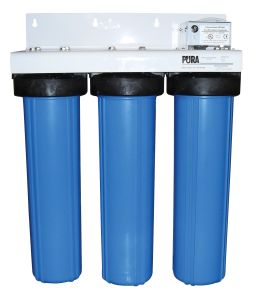
15830131
Pura Big Boy Ultra Violet Water Filter BB3
The Pura Big Boy Ultra Violet Water Filter UV BB3-110 by AMPAC USA represents a significant advancement in whole house water treatment, designed to provide a comprehensive solution for ensuring clean and safe water throughout your property.
View specifications
Need an output between two models, or a different feed water? Send us your numbers
About Home UV Systems - Ultra Violet Water Sterilizers
Sizing a system? Send your flow rate and a feed-water analysis, and an AMPAC engineer will work out the configuration with you.
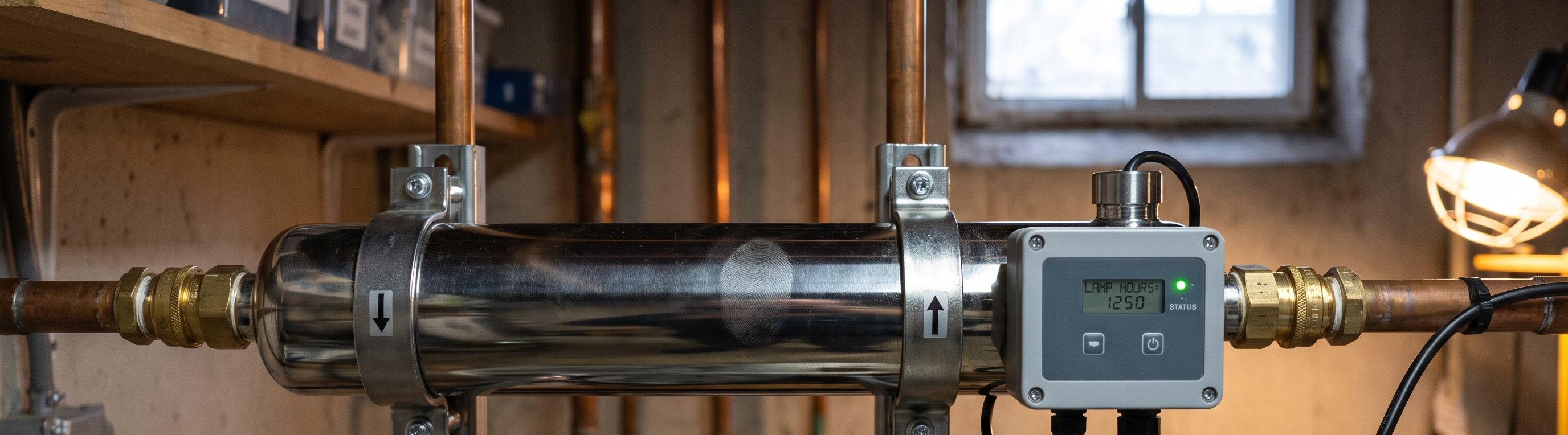
A UV water sterilizer disinfects your water with ultraviolet light and no chemicals, inactivating bacteria, viruses, and other waterborne pathogens as water passes through the reactor. AMPAC USA stocks a wide range of UV lamps and reactors to fit residential treatment applications and flow rates. UV works best as a final post-treatment stage after filtration or reverse osmosis, and it also controls the algae and "green water" that foul downstream filters. It's a safe, natural approach, as natural as sunlight, that adds no taste or chemical byproducts. Call AMPAC USA at (909) 548-4900 to match a UV system to your water and flow rate.
Frequently Asked Questions
How does a UV disinfection system work?
A UV lamp emits ultraviolet light at 254 nanometers wavelength, which penetrates microbial cell walls and disrupts DNA so bacteria, viruses, and cysts cannot reproduce. The process adds no chemicals to the water and leaves no taste or odor. Water must be clear for UV to be effective.
Is UV disinfection alone enough for well water?
UV kills biological contaminants but does not remove sediment, hardness, iron, or dissolved chemicals. For well water, UV is typically the final stage after sediment filtration, iron removal, and, if needed, carbon filtration. Pre-treatment ensures water clarity, which is essential for effective UV dosing.
What flow rate do I need for my home UV system?
AMPAC USA home UV systems cover 6 to 20 GPM. A household of four typically needs 8 to 12 GPM to meet peak demand. Sizing too small reduces contact time with the UV lamp, which lowers disinfection effectiveness. Always size for peak flow, not average daily use.
How often does the UV lamp need to be replaced?
UV lamps require annual replacement even if they appear to be working. Output degrades to below 70 percent of rated intensity after approximately 9,000 hours of continuous operation, which equals about one year. Reduced UV output means reduced pathogen kill rates, so replacement on schedule is critical.
Are AMPAC USA UV systems NSF compliant?
AMPAC USA home UV systems are designed to NSF/ANSI 55 Class A, the standard for residential UV disinfection systems intended to inactivate pathogenic bacteria and viruses. Class A systems deliver a minimum 40 mJ/cm2 UV dose at rated flow, meeting EPA and Health Canada guidelines.