
Models
-
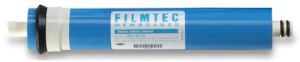
TW30-1812-36
Dow Filmtec TW30-1812-36 Reverse Osmosis Membrane
The Dow Filmtec TW30-1812-36 Reverse Osmosis Membrane, supplied by AMPAC USA, represents a cornerstone in home water purification, offering an exceptional blend of performance and reliability.
36 GPD
View specifications -
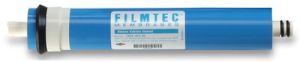
TW30-1812-75
Dow Filmtec Reverse Osmosis Membrane TW30-1812-75
The Dow Filmtec Reverse Osmosis Membrane TW30-1812-75 is a highly reliable and efficient solution for water purification, designed to provide clean, high-quality water for a variety of applications.
View specifications -
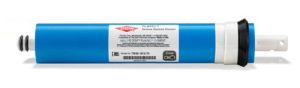
TW30-1812-50
Dow Filmtec Reverse Osmosis Membrane TW30-1812-50
The Dow Filmtec Reverse Osmosis Membrane TW30-1812-50, supplied by AMPAC USA, is a replacement membrane for residential water purification systems.
View specifications -
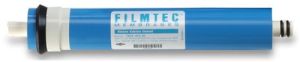
TW30-1812-100
TW30-1812-100
The Dow Filmtec Reverse Osmosis Membrane TW30-1812-100, offered by AMPAC USA, represents a cornerstone in water purification technology, designed to provide consistent, high-quality treated water for a variety of commercial applications.
View specifications -
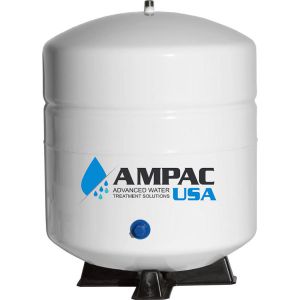
T4
Four Gallon Reverse Osmosis Water Storage Tank
The AMPAC USA Four Gallon Reverse Osmosis Water Storage Tank is an essential component for any reverse osmosis (RO) water purification system, designed to store purified water efficiently and reliably.
View specifications
Need an output between two models, or a different feed water? Send us your numbers
About Order RO spare parts NOW!!
Sizing a system? Send your flow rate and a feed-water analysis, and an AMPAC engineer will work out the configuration with you.
As a well established name in manufacturing and supplying water purification products in the industry since last twenty years, we are engaged in supplying in all-inclusive range of quality approved and standardized products. At Ampac we think beyond making money and take into consideration the customer benefit as well. Reverse Osmosis or RO Water purifiers are used extensively by households for drinking pure and safe water. With such extensive demand also comes need for repair, wear and tear. Under normal circumstances, it is not possible for residents to keep changing the RO water purifier with any error in the functioning of the water purification system. As an economic and efficient solution to this problem, Ampac USA offers RO spare parts to help the households spend only that amount of amount of money which is required to change a particular problem causing piece within their budget and get pure drinking water.
The products we offer:
Here is the list of ready to sell products we have:
- Four Gallon Reverse Osmosis Water Storage Tank
- TW30-1812-36
- TW30-1812-50
- TW30-1812-75
- TW30-1812-100
Besides these products, we are constantly working on increasing the products in this list.
Why should you buy from us?
For all those clients who are having second thoughts about buying products from us, just take a moment and read below:
- We have twenty years of experience in the manufacturing and supplying of RO spare parts
- Quick delivery time of the products
- Sturdy and quality material used in manufacture
- One stop solution to all your water purification problems
- Customized solutions also available
- Service and repair facilities
- Products are high on durability
- 100% safe products
If you wish to buy our products and feel the difference, speak to one of our executives on our toll free number 877-611-8530 or fill our contact form today.
Frequently Asked Questions
What spare parts are most commonly needed for RO system maintenance?
The most frequently replaced parts are the ASO (automatic shut-off) valve, which controls when the tank fills and stops, the check valve, which prevents backflow from the tank, and the flow restrictor, which controls the reject-to-permeate ratio. Storage tank bladders and feed water solenoid valves are also common service items.
How do I know if my ASO valve has failed?
A failed ASO valve typically causes the system to run continuously without shutting off when the tank is full, or to stop producing water entirely. You can test it by checking whether water still drains to the waste line after the tank is pressurized. A stuck-open valve wastes significant water.
What does a flow restrictor do and what happens if it is clogged?
The flow restrictor limits drain water flow to maintain the back pressure the RO membrane needs for efficient ion rejection. A clogged restrictor reduces drain flow too much, which lowers TDS rejection. A missing or failed restrictor allows too much drain flow, reducing membrane pressure and water production.
How do I know if my storage tank bladder has failed?
A failed bladder typically results in the tank feeling heavy (filled with water) but delivering only a short burst of water before pressure drops. The tank will also fail to hold the 7 to 8 PSI air charge when empty. Bladder replacement restores normal tank function at a fraction of replacement cost.
Are AMPAC USA spare parts compatible with other RO system brands?
Many components such as 1/4-inch fittings, standard ASO valves, check valves, and flow restrictors follow industry-standard sizing and thread patterns used across most residential RO systems. Confirm the flow restrictor GPD rating and valve port sizes match your existing system before ordering.