
Models
-
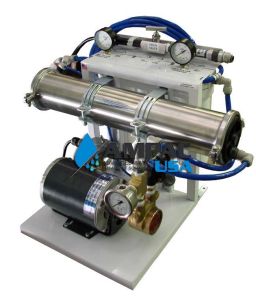
APRO800-1
Commercial Reverse Osmosis
800 GPD 3000 LPD
View specifications -
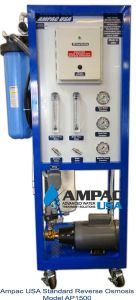
AP1500
Commercial Reverse Osmosis
1,500 GPD 5670 LPD
View specifications -
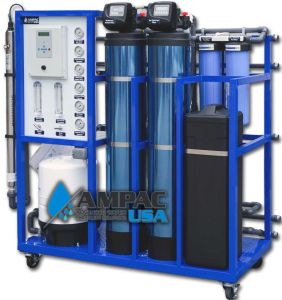
AP1500-LX
Commercial Turnkey Reverse Osmosis
1,500 GPD 5.7 m³/Day
View specifications -
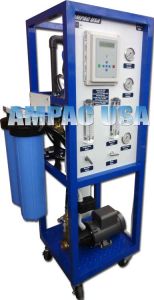
AP2200
Commercial Reverse Osmosis
2,200 GPD 8300 LPD
View specifications -
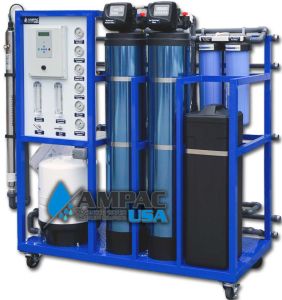
AP2200-LX
Commercial Turnkey Reverse Osmosis
2,200 GPD 8.3 m³/Day
View specifications -
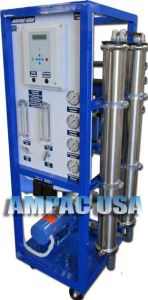
APRO3000
Commercial Reverse Osmosis
3,000 GPD 11,350 LPD
View specifications -
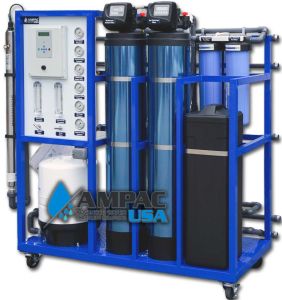
AP4400-LX
Commercial Turnkey Reverse Osmosis
4,400 GPD 16.7 m³/Day
View specifications -
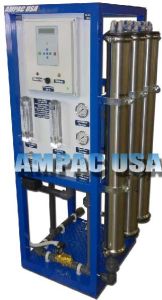
APRO6000
Commercial Reverse Osmosis
6,000 GPD 22,750 LPD
View specifications -
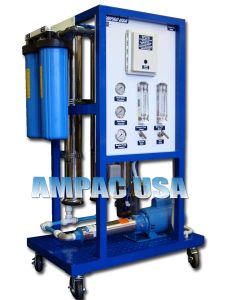
APRO8000
Commercial Reverse Osmosis
8,000 GPD 30,000 LPD
View specifications -
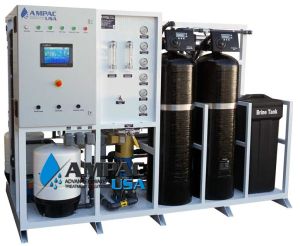
AP10K-LX
Industrial Reverse Osmosis
10,000 GPD 1.6 m³/hr
View specifications -
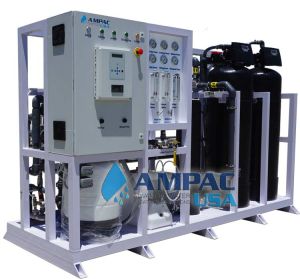
AP12K-LX
Industrial Reverse Osmosis
12,000 GPD 1.9 m³/hr
View specifications -
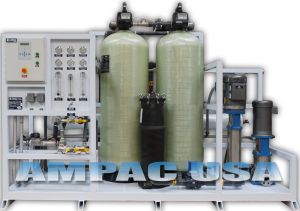
AP20K-LX
Industrial Reverse Osmosis
20,000 GPD 3.18 m³/hr
View specifications
Need an output between two models, or a different feed water? Send us your numbers
About Best Reverse Osmosis System for Hydroponics
Sizing a system? Send your flow rate and a feed-water analysis, and an AMPAC engineer will work out the configuration with you.
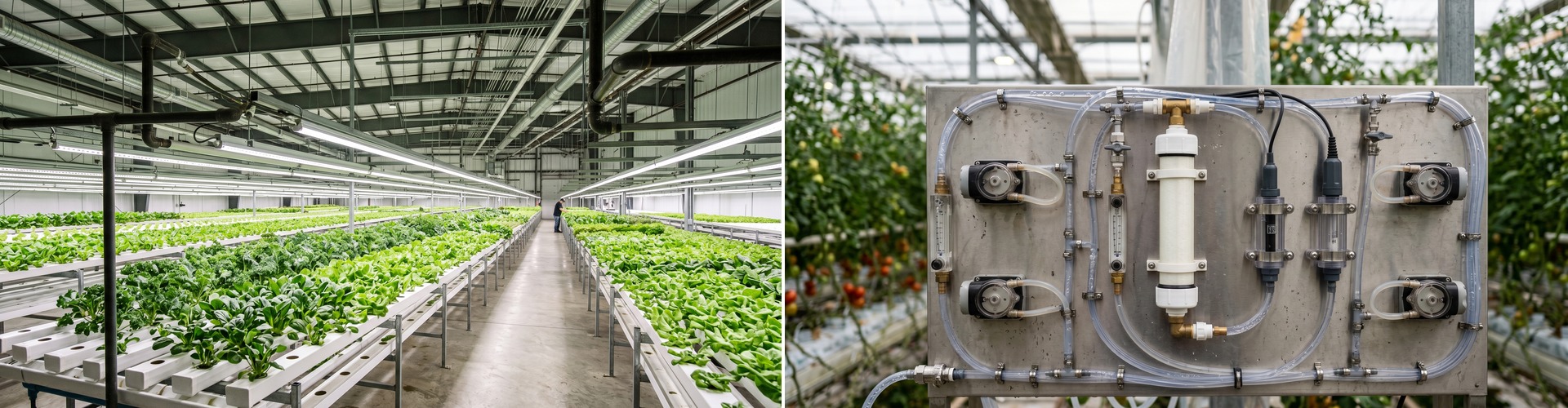
Reverse osmosis water is widely used in hydroponic farming. Municipal tap water contains chlorine, chloramines, calcium, magnesium, and trace metals that interfere with nutrient uptake and alter solution pH. Even well water that appears clean can carry iron, manganese, or sulfates that create nutrient lockout in the root zone. Starting with RO water eliminates these variables and gives growers complete control over the nutrient profile from the first milliliter added.
AMPAC USA designs and manufactures reverse osmosis systems for commercial hydroponic operations, vertical farms, and controlled-environment agriculture facilities. Systems are sized by daily water demand, configured for either municipal or groundwater sources, and pre-assembled on skids for straightforward installation in grow rooms, greenhouses, and warehouse growing environments.
For municipal water, the primary treatment objectives are chlorine and chloramine removal (via activated carbon pre-filtration) and TDS reduction through RO membranes. For well water, pre-treatment sequences address hardness, iron, turbidity, and biological load before the RO stage. In both cases, the RO permeate exits with a TDS typically below 10 ppm, giving growers a clean baseline for nutrient program formulation.
High-volume commercial operations often combine RO systems with recirculating nutrient systems and automated pH/EC monitoring to minimize water and nutrient waste. AMPAC systems integrate directly with standard dosing and monitoring equipment. Where water efficiency is a priority, concentrate (reject) water from the RO system can be diverted to irrigation for non-hydroponic crops or managed for compliant disposal.
Contact AMPAC USA at (909) 548-4900 to discuss water treatment sizing for your hydroponic operation. Provide your source water analysis and daily volume requirements and our engineers will specify the right system.
Ask us for a reverse osmosis system for hydroponics sized to your grow room's daily water demand and source water profile. Systems are engineered to handle typical municipal water pressure and remove dissolved solids, heavy metals, and other contaminants across a wide range of water supplies before reaching the RO membrane, with pre-filter stages protecting the membrane from sediment and chlorine.
Frequently Asked Questions
Why is water quality critical for hydroponic growing?
In hydroponics, water is the growing medium - plants derive all nutrition from the reservoir solution. Source water problems: high TDS competes with nutrient formulas, chlorine kills beneficial microbes, hard water Ca/Mg blocks potassium uptake, and sodium stresses plants. Starting with RO water below 50 ppm TDS gives growers complete nutrient control.
What TDS level is ideal for hydroponic water?
Below 50 ppm TDS before nutrients are added. This ensures all dissolved minerals come from the nutrient formula. Target pH 5.5-6.5 vegetative, 6.0-7.0 fruiting. RO water starts near neutral and adjusts easily.
What water treatment systems does AMPAC USA recommend for hydroponics?
- 100-500 GPD - home growers, tent grows
- 1,000-5,000 GPD - commercial greenhouses, craft cannabis
- 10,000-50,000 GPD - indoor vertical farms, large cultivation facilities
All include sediment and carbon pre-filtration. Optional remineralization filters add Ca/Mg at precise ratios.
Does reverse osmosis improve nutrient uptake in hydroponics?
Yes. RO removes competing ions: hard water calcium blocks potassium uptake, sodium causes osmotic stress, chloride causes leaf edge burn. Using RO water allows growers to target precise CalMag ratios - producing more predictable, higher-yielding crops.