

Models
-
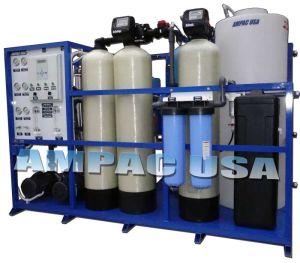
AP6000-SM-LX
Industrial Reverse Osmosis
6,000 GPD 22.7 m³/Day
View specifications -
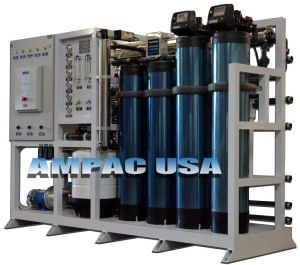
AP8000-LX-1
Industrial Reverse Osmosis
8,000 GPD 30.2 m³/Day
View specifications -
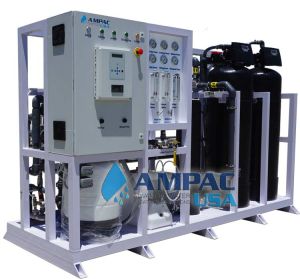
AP12K-LX
Industrial Reverse Osmosis
12,000 GPD 1.9 m³/hr
View specifications -
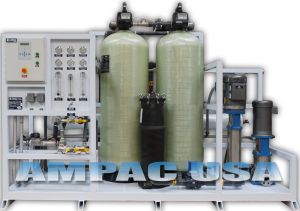
AP20K-LX
Industrial Reverse Osmosis
20,000 GPD 3.18 m³/hr
View specifications -
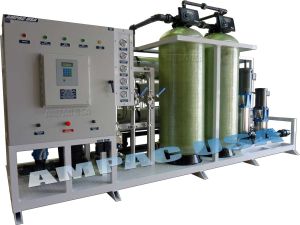
AP25K-LX
Industrial Reverse Osmosis
25,000 GPD 4.0 m³/hr
View specifications -
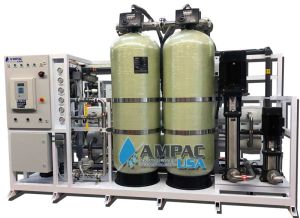
AP30K-LX
Industrial Reverse Osmosis
30,000 GPD 4.75 m³/hr
View specifications -
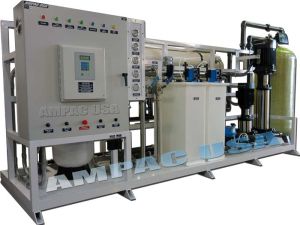
AP40K-LX
Industrial Reverse Osmosis
40,000 GPD 6.30 m³/hr
View specifications -
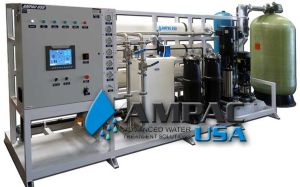
AP60K-LX
Industrial Reverse Osmosis
60,000 GPD 9.5 m³/hr
View specifications -
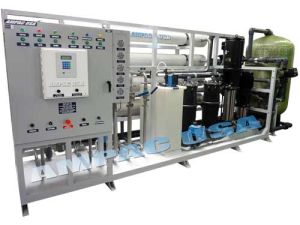
AP80K-LX
Industrial Reverse Osmosis
80,000 GPD 12.6 m³/hr
View specifications -
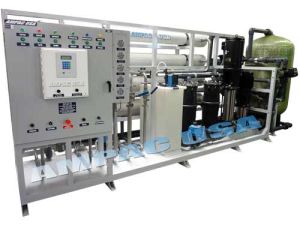
AP100K-LX
Industrial Reverse Osmosis
100,000 GPD 15.8 m³/hr
View specifications -
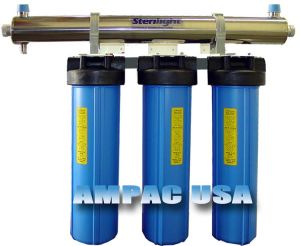
BB4-20
Quad Whole House BB UV
View specifications -
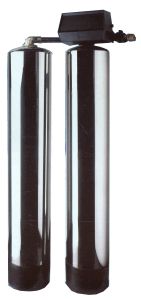
AP3000S
Ion Exchange Twin Alternating Water Softener AP3000S
View specifications -
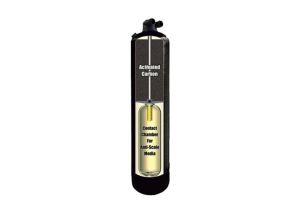
AP2500S
Ampac USA No-Salt E-Treat Water Conditioner
View specifications -
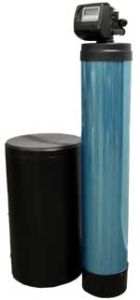
AP2000S
Ion Exchange Water Softener AP2000S
View specifications -
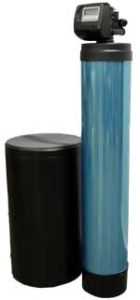
AP1500S
Ion Exchange Water Softener AP1500S
View specifications -
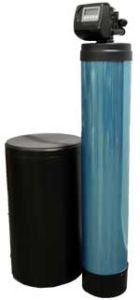
AP1000S
Ion Exchange Water Softener AP1000S
View specifications
Need an output between two models, or a different feed water? Send us your numbers
About Does Reverse Osmosis Remove Iron?
Sizing a system? Send your flow rate and a feed-water analysis, and an AMPAC engineer will work out the configuration with you.
Iron and manganese are among the most common groundwater contaminants, causing reddish-brown or black staining, metallic taste, and buildup in pipes, water heaters, and softeners. AMPAC USA's reverse osmosis systems reduce dissolved and particulate iron by up to 99%, along with related contaminants like iron bacteria and hydrogen sulfide. For iron levels above 10 ppm, we recommend a dedicated oxidizing pre-filter ahead of the RO membrane to protect performance and extend membrane life. Contact AMPAC USA at (909) 548-4900 for a water analysis and treatment recommendation. Many municipal water supplies carry naturally occurring iron even after treatment, so point-of-use RO systems add an extra barrier at the tap.
Frequently Asked Questions
What are the different types of iron found in water?
Iron in water appears in three distinct forms, each requiring different treatment approaches:
- Ferrous iron (Fe²âº) - dissolved iron, invisible in freshly drawn water. Oxidizes to red-brown particles on air exposure. Common in wells and groundwater.
- Ferric iron (Fe³âº) - already oxidized, visible as red-brown turbidity. Can be filtered mechanically.
- Iron bacteria - slime-forming microorganisms that require disinfection alongside iron removal.
Why is iron in water a problem?
The EPA secondary standard for iron is 0.3 mg/L - levels above this cause red-brown staining of fixtures and laundry, metallic taste, pipe scaling, RO membrane fouling (even at 0.05 ppm ferric iron), and coating of ion exchange resin beads that reduces softener efficiency.
What iron removal systems does AMPAC USA recommend?
- Ferrous iron <3 ppm - ion exchange softener
- Mixed up to 15 ppm - oxidizing filter (greensand, Birm, or catalytic media)
- High-iron >15 ppm - aeration + multimedia pressure filtration
- Iron bacteria - chlorination/shock treatment, then standard iron removal
AMPAC USA performs a full water analysis before recommending any system.
Does reverse osmosis remove iron from water?
Iron must be removed in pre-treatment before it reaches the RO membrane. Ferric iron particles foul membranes rapidly, and even 0.05 ppm causes accelerated membrane degradation. AMPAC USA includes oxidizing filtration in all RO pre-treatment trains for iron-bearing source water to protect membranes and maintain consistent output quality.