
15 models in Energy
-
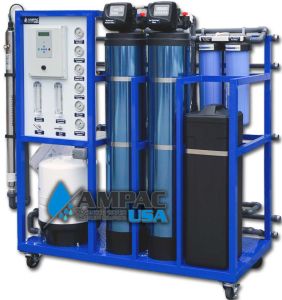
AP2200-LX
Commercial Turnkey Reverse Osmosis
- Rated output
- 2,200 GPD
- Metric
- 8.3 m³/Day
-
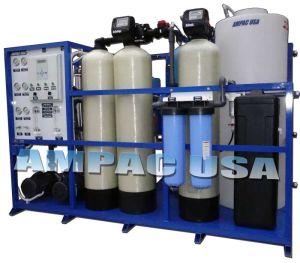
AP6000-SM-LX
Industrial Reverse Osmosis
- Rated output
- 6,000 GPD
- Metric
- 22.7 m³/Day
-
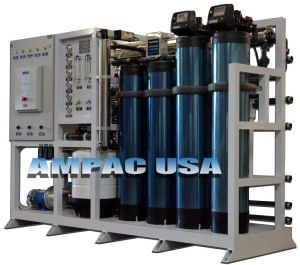
AP8000-LX-1
Industrial Reverse Osmosis
- Rated output
- 8,000 GPD
- Metric
- 30.2 m³/Day
-
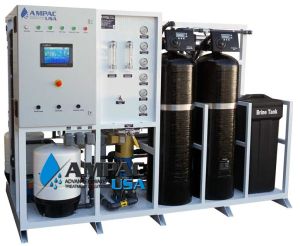
AP10K-LX
Industrial Reverse Osmosis
- Rated output
- 10,000 GPD
- Metric
- 1.6 m³/hr
-
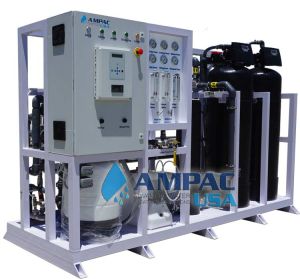
AP12K-LX
Industrial Reverse Osmosis
- Rated output
- 12,000 GPD
- Metric
- 1.9 m³/hr
-
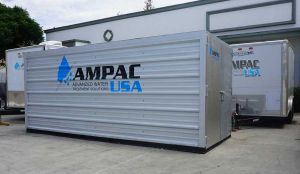
AP20K-LX-C
Emergency Portable Reverse Osmosis
- Rated output
- 20,000 GPD
- Metric
- 3.18 m³/hr
-
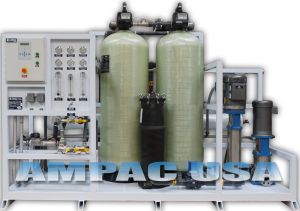
AP20K-LX
Industrial Reverse Osmosis
- Rated output
- 20,000 GPD
- Metric
- 3.18 m³/hr
-
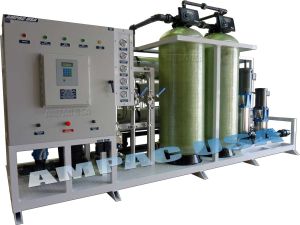
AP25K-LX
Industrial Reverse Osmosis
- Rated output
- 25,000 GPD
- Metric
- 4.0 m³/hr
-
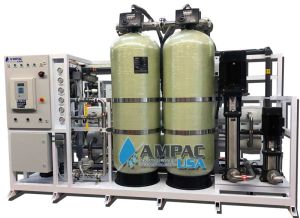
AP30K-LX
Industrial Reverse Osmosis
- Rated output
- 30,000 GPD
- Metric
- 4.75 m³/hr
-
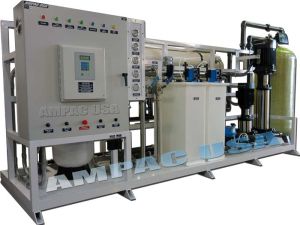
AP40K-LX
Industrial Reverse Osmosis
- Rated output
- 40,000 GPD
- Metric
- 6.30 m³/hr
-
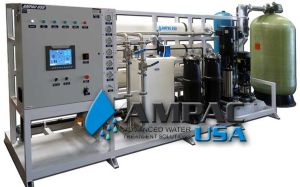
AP60K-LX
Industrial Reverse Osmosis
- Rated output
- 60,000 GPD
- Metric
- 9.5 m³/hr
-
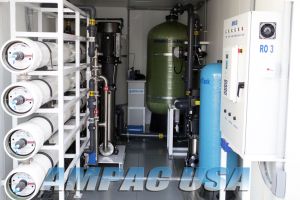
BWRO80K-LX
Mobile Turnkey Reverse Osmosis Water Purification
- Rated output
- 80,000 GPD
- Metric
- 12.6 m³/hr
-
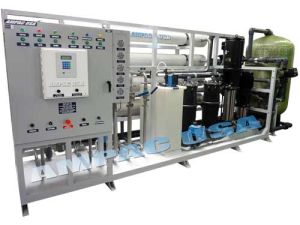
AP80K-LX
Industrial Reverse Osmosis
- Rated output
- 80,000 GPD
- Metric
- 12.6 m³/hr
-
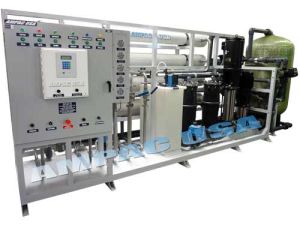
AP100K-LX
Industrial Reverse Osmosis
- Rated output
- 100,000 GPD
- Metric
- 15.8 m³/hr
-
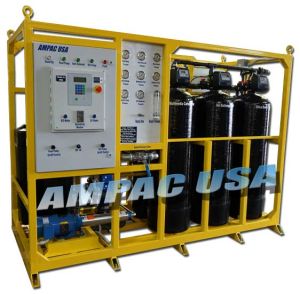
SWRO10K-C1D2
Off-Shore Sea Water Desalination Watermaker SW10K-C1D2
Specifications
Need an output between two models, or a different feed water? Send us your numbers
About Power Plant Water Treatment Systems
Power generation facilities are among the largest water consumers in heavy industry. A typical coal or gas-fired plant withdraws millions of gallons per day for cooling tower makeup, boiler feedwater, and flue gas desulfurization. The water quality requirements are exact — boiler feedwater at high pressure must meet strict specifications for dissolved solids, silica, hardness, and dissolved oxygen. Scale or corrosion in a boiler causes tube failures, forced outages, and expensive repairs. In a utility context, an unplanned outage costs more in a day than the entire water treatment system that could have prevented it.
AMPAC USA designs water treatment systems for power generation facilities across the full range of fuel types and cooling configurations. Demineralized boiler feedwater systems using two-pass RO and electrodeionization meet ASME and EPRI water quality guidelines for high-pressure drum boilers and HRSGs in combined-cycle plants. Cooling tower makeup treatment includes softening, antiscalant dosing, and biological control to extend cycles of concentration and reduce blowdown volume. Zero liquid discharge configurations for facilities with restrictive wastewater permits are available where required.
For renewable energy installations — solar farms, wind facilities, and geothermal plants — AMPAC designs water treatment for panel cleaning, cooling system makeup, and site crew potable supply where grid water infrastructure is absent. Remote monitoring capability allows quality and performance data to be reviewed from operations centers without on-site personnel.
AMPAC also serves the nuclear power sector, supplying high-purity water systems for secondary systems and radwaste treatment where applicable. AMPAC documentation and quality control procedures are compatible with 10 CFR 50 quality assurance requirements for safety-related procurement where applicable.
Contact AMPAC USA at (909) 548-4900 to discuss water treatment for your power generation facility.
Frequently Asked Questions
What water quality does a power plant boiler require to prevent scale and corrosion?
High-pressure steam generators and boilers require feedwater with silica below 0.02 ppm, total hardness near zero, and conductivity below 0.1 microsiemens per centimeter to prevent scale buildup on heat transfer surfaces. Scale deposits as thin as 1 mm reduce heat transfer efficiency by up to 10% and can cause tube failures at high operating pressures. AMPAC USA builds multi-stage RO and demineralization systems that consistently meet ASME boiler water quality guidelines.
How does reverse osmosis fit into a power plant water treatment train?
RO serves as the primary demineralization stage, removing 95-99% of dissolved solids before polishing with mixed-bed deionization to achieve near-zero conductivity in the final boiler feedwater. A typical train includes clarification and softening for hardness removal, multimedia filtration, 5-micron cartridge filtration, and then the RO array before the DI polisher. Our systems are designed for continuous duty with redundant trains so one loop can come offline for maintenance without interrupting plant operations.
What is zero liquid discharge and when is it required at energy facilities?
Zero liquid discharge means all process wastewater is treated and reused internally with no liquid effluent discharged to surface water or sewer. Environmental permits for power plants near sensitive watersheds increasingly require ZLD for cooling tower blowdown, RO concentrate, and chemical cleaning waste streams. AMPAC USA designs ZLD systems that concentrate blowdown through brine concentrators and evaporators, recovering 95%+ of the water for reuse.
How do cooling tower systems benefit from upstream RO treatment?
Cooling towers concentrate minerals through evaporation, and the cycles of concentration achievable before scaling or corrosion occurs depend directly on the quality of makeup water. RO-treated makeup water with low TDS allows operators to run 8-12 cycles of concentration instead of the 3-4 cycles typical with untreated municipal water, cutting makeup water demand and blowdown volume significantly. AMPAC USA sizes cooling water RO systems based on tower evaporation rate and target cycles of concentration.
Can AMPAC USA supply systems for the high flow rates required at large power generation facilities?
Utility-scale power plants require makeup water flows from 100,000 to several million GPD, depending on plant capacity and cooling tower design. We build parallel RO train configurations with automatic lead-lag switching and redundant feed pumps to meet these flow requirements with high uptime. Our project engineering team coordinates with plant operations staff on integration with existing chemical feed, controls, and SCADA systems.
What pretreatment is typically needed for surface water sources used at power plants?
Surface water from rivers and lakes contains suspended solids, algae, and organic matter that foul RO membranes without pretreatment. A standard pretreatment train for surface water includes coagulation, flocculation, sedimentation, and multimedia filtration to bring turbidity below 0.5 NTU and SDI below 4 before the membrane array. AMPAC USA conducts source water testing before system design to ensure the pretreatment is matched to seasonal water quality variations at your specific intake location.