
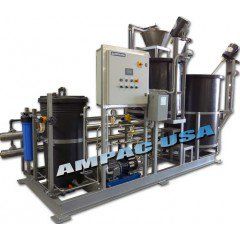
AP-WTS-5
Industrial Wastewater Treatment Plants
Founded in 1994, AMPAC USA designs and builds packaged treatment plants for factories, food and beverage processors, chemical sites and textile mills.
- Shipping safetyReceive your items 100% in good condition
- Money-back guaranteeFull refund if no goods are received
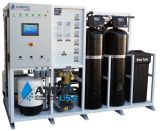
About the AP-WTS-5
Pricing for the AP-WTS-5 is quoted on request. Send your flow rate and a feed-water analysis, or call and talk it through with an engineer.
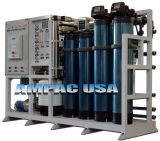
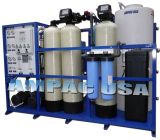
Founded in 1994, AMPAC USA designs and builds packaged treatment plants for factories, food and beverage processors, chemical sites and textile mills. On the wastewater side, the AP-WTS-5 plant uses a sequencing batch reactor (SBR) to remove organic load, nitrogen and phosphorus, with pretreatment and final disinfection in the same package. For process water, our industrial reverse osmosis plants run from 6,000 to 100,000 GPD. Quotes start from three numbers: daily flow, peak flow and an effluent or feed water analysis.
- Dynamic Sequencing Batch Reactor (SBR) technology operates in batch mode through filling, reaction, settling, and decanting stages
- Removes organic matter, nitrogen, and phosphorus from wastewater
- Adapts to varying influent characteristics and flow rates for consistent, efficient treatment
- Facilitates effluent recycling for non-potable applications such as irrigation, cooling towers, or process water
Typical applications span manufacturing plants, food and beverage processing facilities, chemical production sites, and textile mills, along with any industrial setting generating wastewater with organic loads, suspended solids, or nutrient contamination.
The AP-WTS-5 packages include all essential process equipment, from initial pretreatment stages that remove larger solids and debris, through advanced biological treatment in the SBR, to final disinfection processes that ensure the effluent is safe for discharge or reuse.
How An Industrial Wastewater Plant Is Specified
Two numbers drive the build: how much water per day, and what is in it. Everything else follows from those, including footprint, sludge handling and whether treated water can be reused on site rather than discharged.
| What you are treating | Stage that handles it | Where it leads |
|---|---|---|
| Organic load (BOD and COD) | Biological treatment. The SBR line above runs in batches, which suits variable daily flow. | Discharge to sewer, or feed the next stage for reuse |
| Suspended solids | Screening, settling and filtration ahead of the biological stage. | Protects membranes downstream |
| Dissolved salts and TDS | Reverse osmosis, placed after solids and organics are out of the way. | Industrial RO systems |
| Greywater from washrooms and laundry | A lighter train than process effluent, sized for reuse in irrigation or flushing. | Grey water treatment systems |
What To Settle Before Sizing
Daily volume and peak flow, because a plant sized to the average will struggle on the worst shift. The discharge limit you are held to, since that sets how far treatment has to go. Whether the goal is discharge or reuse, which decides if RO belongs in the line at all. Footprint and access, because a retrofit into an existing building constrains the layout more than the process does.
If you have an effluent analysis, include it when you request a quote. Sizing from measured BOD, COD, TSS and flow is faster than sizing from a description, and it avoids specifying a stage the water does not need. For a wider view of the treatment methods themselves, see water treatment technologies.
Frequently Asked Questions
What technology does the AP-WTS-5 use?
It utilizes Dynamic Sequencing Batch Reactor (SBR) technology, a biological treatment method that operates in batch mode through filling, reaction, settling, and decanting stages.
What does the system remove from wastewater?
The SBR process is effective at removing organic matter, nitrogen, and phosphorus, and the plant addresses organic loads, suspended solids, and nutrient contamination.
What industries can use this treatment plant?
It's suited to manufacturing plants, food and beverage processing facilities, chemical production sites, textile mills, and other industrial operations generating wastewater.
Can treated wastewater be reused?
Yes, the system facilitates effluent recycling for non-potable applications such as irrigation, cooling towers, or process water.
What does the AP-WTS-5 package include?
It includes pretreatment equipment that removes larger solids and debris, SBR biological treatment, and final disinfection processes for safe discharge or reuse.