

Understanding Microplastics in Industrial Water Systems
Microplastics, those tiny plastic bits under 5mm, are everywhere now. For your commercial or industrial operation, they cause real problems: equipment gets gunked up, water quality suffers, and you might even face fines. Don’t let that happen. You really need to know where microplastics come from, what kinds exist, and what they do to your water streams. It’s that important for any engineer designing water treatment systems. Just a simple fact: microplastics can damage industrial machinery.
Why Reverse Osmosis is Essential for Removing Microplastics
Reverse osmosis (RO) filters out nearly everything, even microplastics, right down to the molecular level. Other filters don’t compare. RO membranes are a physical wall; they block contaminants based on size and charge. Microplastics vary in size, from microns to nanometers, but RO systems consistently remove over 99% of them. That means ultrapure water for your industrial needs. You want clean water? RO delivers. Reverse osmosis membranes stop plastic particles from entering your finished product.
How a Reverse Osmosis Water Filter for Microplastics Works
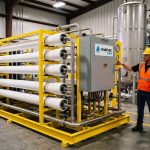
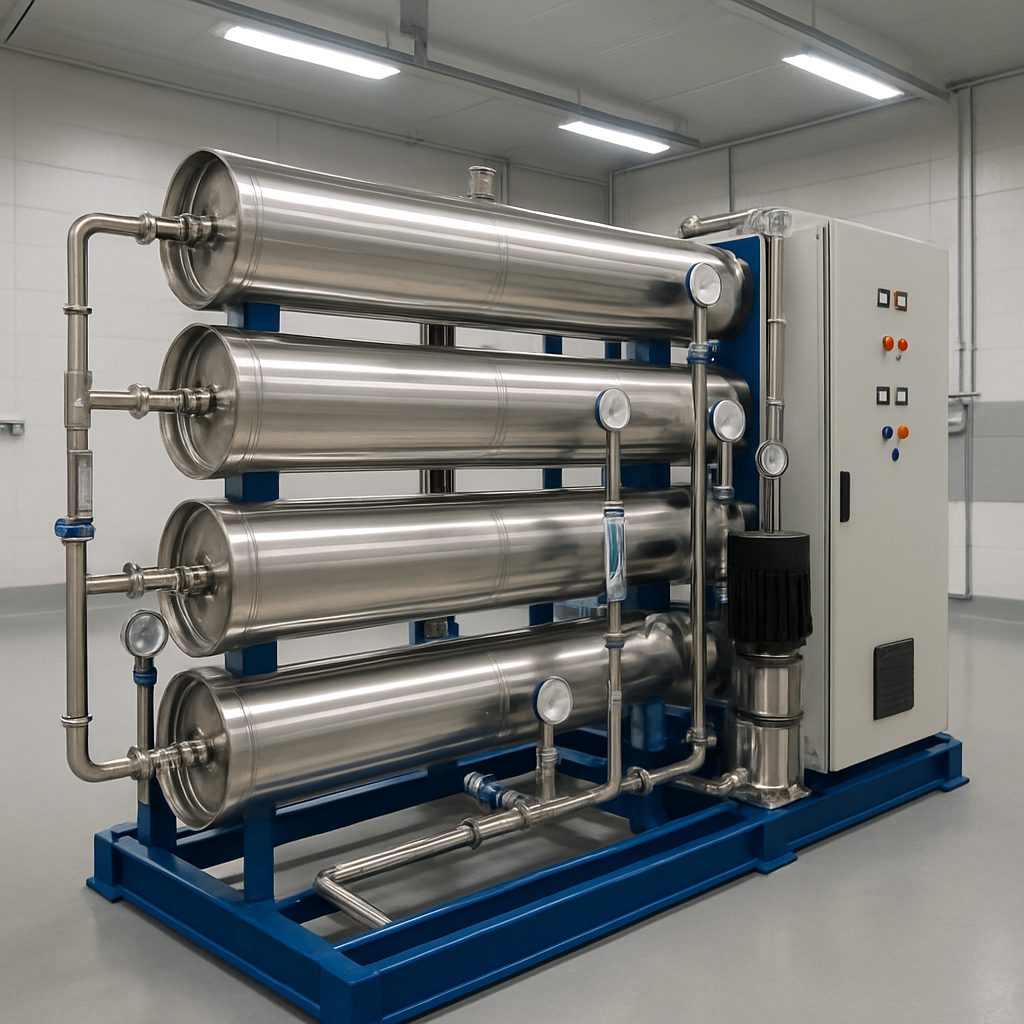
An RO system made for microplastics has special membranes set up to block as much contamination as possible. Water gets pushed under pressure through these membranes. Water molecules pass through, but microplastics and other gunk get left behind and washed away. Simple as that. We often add pre-treatment filters, like multimedia or carbon, to stop the membranes from getting dirty. This makes the system last longer and keeps it working well. A properly designed RO system rejects microplastics effectively.
Key Design Considerations for Industrial RO Systems Targeting Microplastics
When designing an RO system for microplastics, you’ve got to consider several things: your feed water quality, the actual size of the microplastics, operating pressure, and recovery rate. Picking the right membrane is huge; you want ones that block a lot and don’t get dirty easily. The whole system layout matters, too. That means pre-treatment and post-treatment modules. They should keep water flowing steadily and make sure you meet all regulations. You’ll want to avoid surprises there. Accurate membrane selection reduces microplastic contamination.
Benefits of Implementing Reverse Osmosis Filters for Microplastic Removal in Commercial Settings
Using RO filters for microplastics protects your manufacturing processes. It keeps your equipment safe from damage and helps you meet strict environmental rules for wastewater. Cleaner water also means better product quality for food, pharma, and electronics companies. Plus, RO systems help you use water more smartly by making reuse possible. That means you’re not relying as much on fresh water. It’s a win-win. RO systems improve water purity and reduce operational risks.
Maintenance and Operational Best Practices for RO Systems Addressing Microplastics
To keep your RO system working great, you need to monitor it and clean it regularly. This stops microplastics and other stuff from clogging the membranes. We’re talking automated backflushing, chemical cleaning, and checking water quality in real time. That’s how you keep those removal rates high. Also, train your operators well. They need to know system diagnostics and how to do preventative maintenance. That extends the life of the system and avoids unexpected shutdowns in your facility. Consistent maintenance extends RO system lifespan.
Compliance and Regulatory Landscape for Microplastics in Industrial Water
Governments and environmental groups worldwide are creating rules about microplastic discharge and water quality. You’ve got to make sure your water treatment, including any RO systems, meets or beats these standards. Otherwise, you’re looking at fines and environmental issues. Stay updated on these rules. It helps you get ahead and upgrade your technology or reporting methods specifically for microplastic problems. Regulators are increasing scrutiny on microplastic discharge. Be ready. Your business must comply with local water quality standards.
Partnering with Experts for Customized Reverse Osmosis Solutions
Picking and installing the right reverse osmosis filter for microplastics needs expert advice. You’ll want custom system design, professional installation, and ongoing support. This makes sure the system fits your specific industrial needs and water characteristics. Our team builds RO and seawater desalination systems for municipalities, manufacturers, and commercial businesses. Seriously, we’re good at it. Call us today. We’ll show you how we can tailor solutions that protect your operations and help with sustainability efforts. Customized RO systems perform better.
Related Articles
- Boiler Feed Water Treatment: Why Industrial Facilities Need Reverse Osmosis
- Industrial Reverse Osmosis Systems & Water Treatment Systems
- Why Industrial Reverse Osmosis Treatment Is Vital for Pure Water Supply
- Role of Industrial Reverse Osmosis Water in Food Processing
Frequently Asked Questions
How effective is reverse osmosis at removing microplastics?
Reverse osmosis membranes consistently remove over 99 percent of microplastics, from micron-sized particles down to nanometer-scale fragments, by acting as a physical barrier based on size and charge.
How does an RO system remove microplastics from industrial water?
Water is pushed under pressure through a semi-permeable membrane. Water molecules pass through while microplastics and other contaminants are rejected and flushed to drain. Pre-treatment filters, such as multimedia or carbon, are typically added to protect the RO membrane and extend its service life.
What should I consider when designing an RO system for microplastic removal?
Key factors include feed water quality, the size range of microplastics present, operating pressure, and recovery rate. Membrane selection matters most, along with proper pre- and post-treatment staging.
AMPAC USA engineers custom water purification systems for commercial, industrial, and emergency applications — from 500 GPD to multi-million GPD. Trusted by municipalities, military, and industry worldwide.