
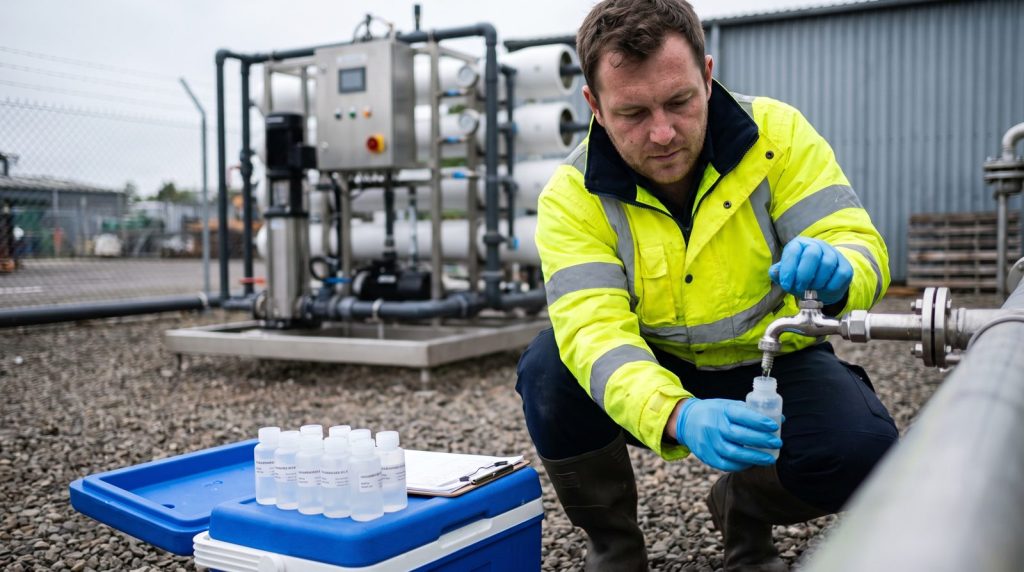
Does Reverse Osmosis Remove PFAS? What Commercial Operators Need to Know
EPA says RO is typically more than 90 percent effective on PFAS. What changed in the May 2026 rules and why concentrate disposal decides a commercial project.

Expert insights on water treatment, reverse osmosis, and purification systems
EPA says RO is typically more than 90 percent effective on PFAS. What changed in the May 2026 rules and why concentrate disposal decides a commercial project.
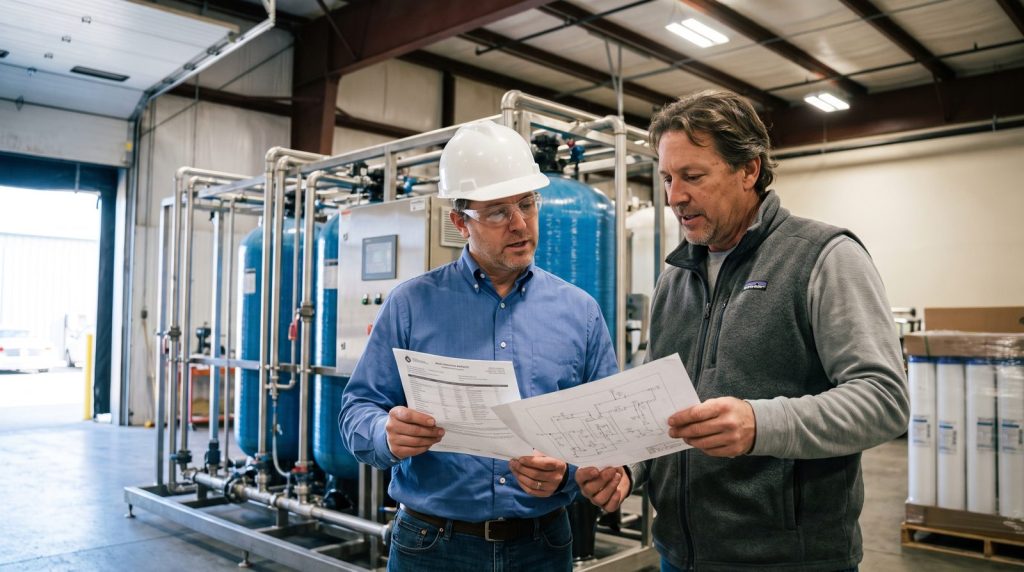
Eight questions to ask any water treatment plant manufacturer, what to have ready before you request a quote, and how to read NSF and ISO 9001 claims.
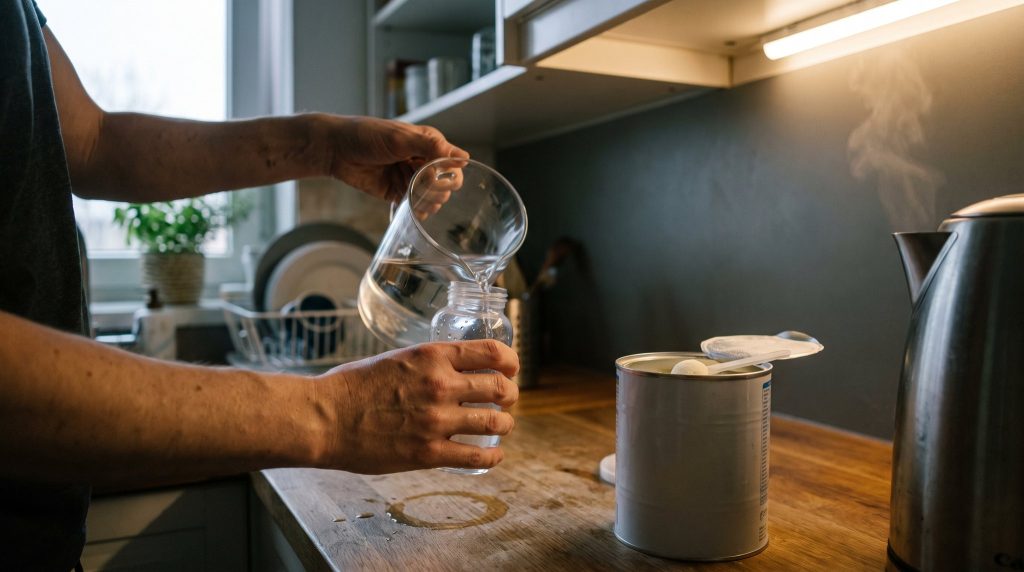
Tap, distilled, nursery, bottled or filtered? What CDC, AAP and the ADA say about the best water for baby formula, when to boil it and when to test.
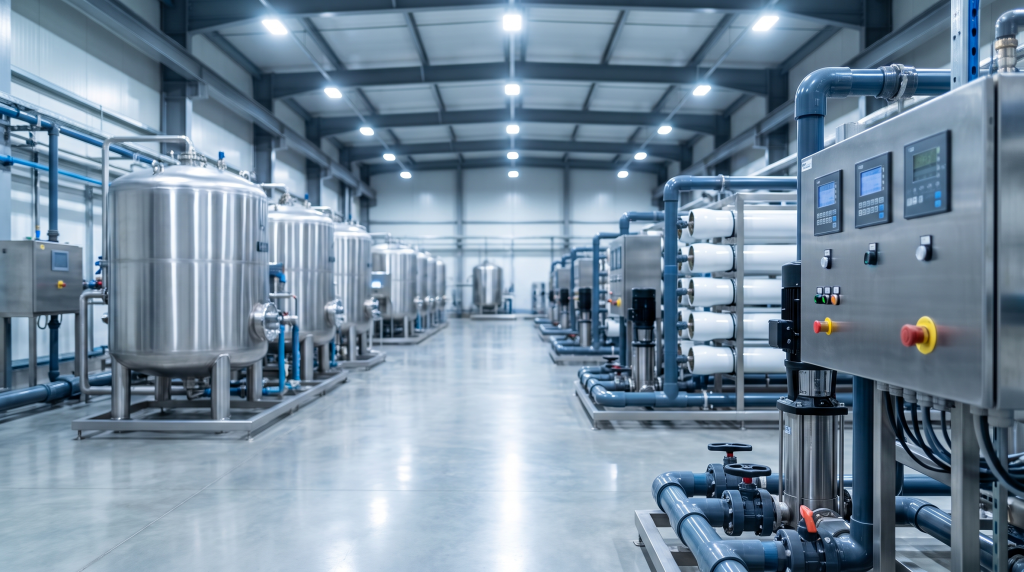
Every factory floor, chip fab, and data center runs on two things people rarely think about together: electricity and water.
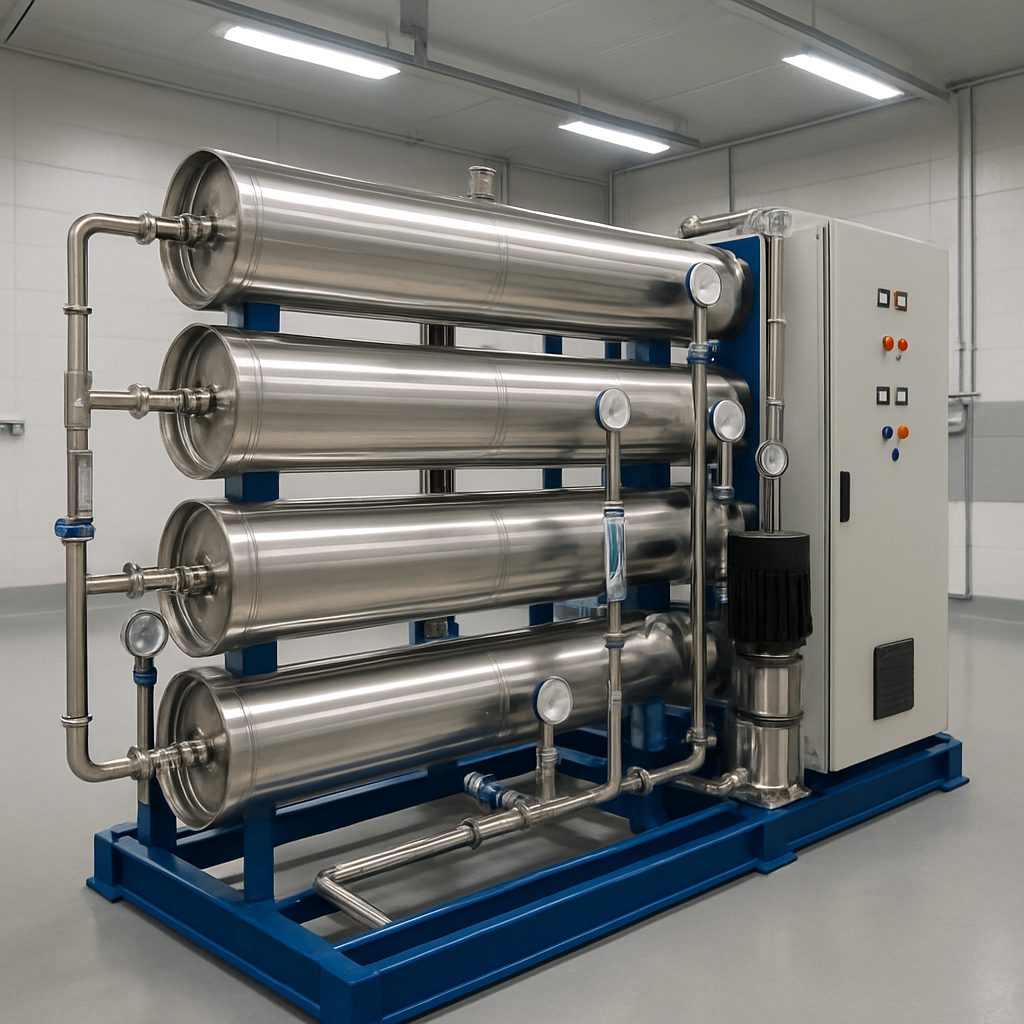
Discover how a reverse osmosis water filter for microplastics enhances industrial water treatment. Contact us to optimize your operation today.
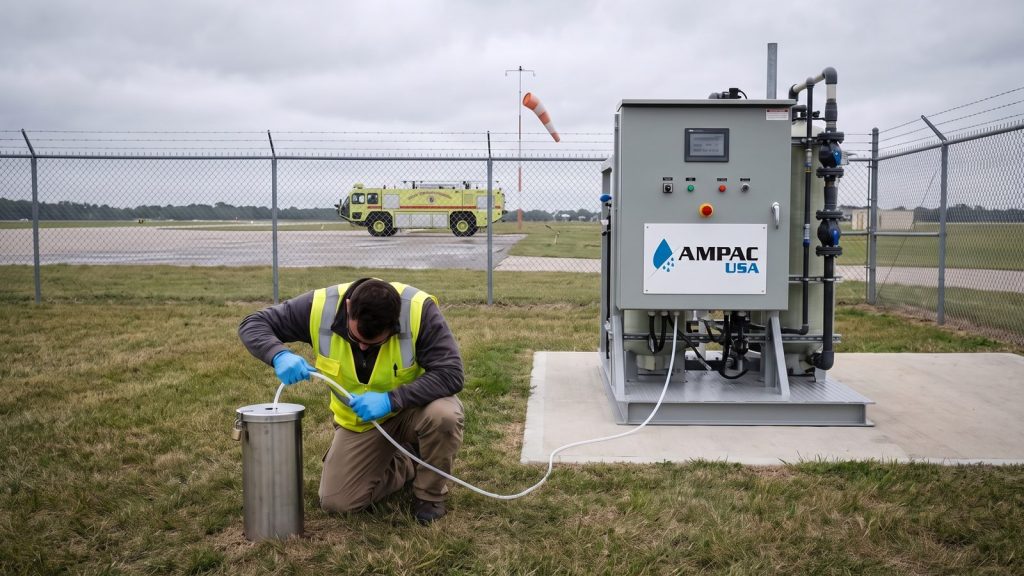
If your facility sits within a few miles of a military airfield, fire training area, or commercial airport, your groundwater
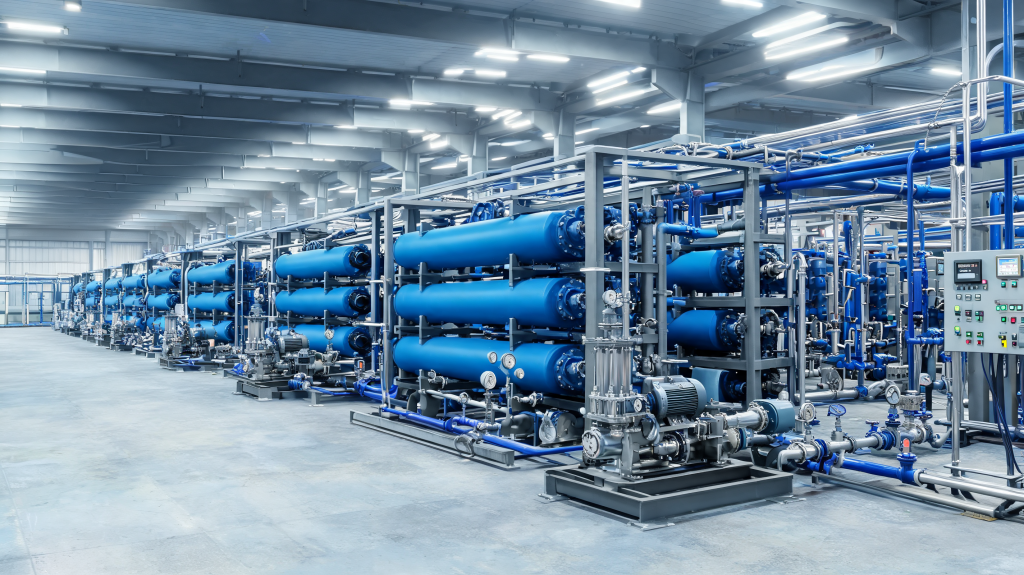
The regulatory landscape for PFAS in drinking water moved from draft to law in April 2024. If you manage a
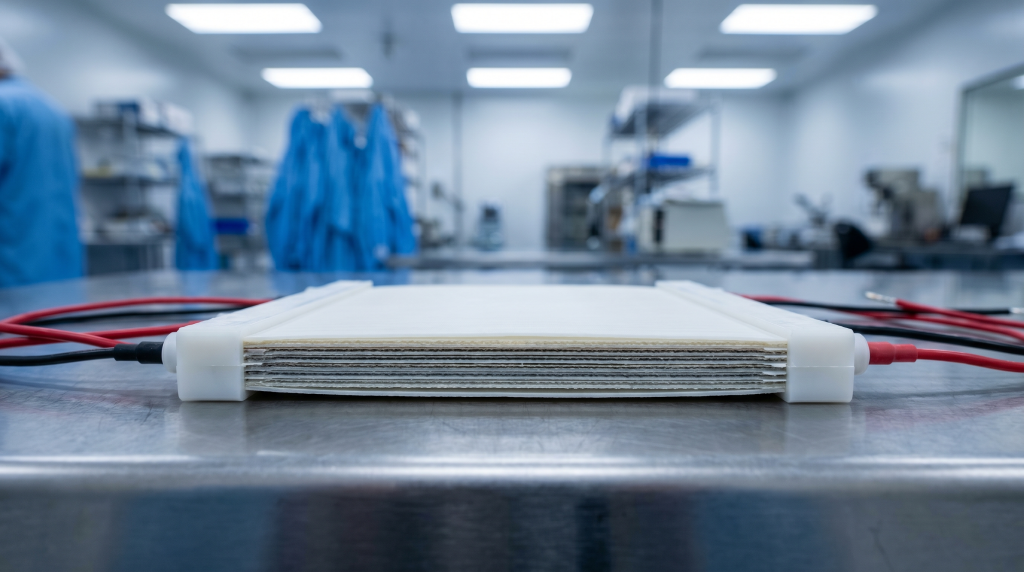
Quick Answer: Ultrapure water (UPW) is water purified to resistivity of 18.2 MΩ·cm – the theoretical maximum purity for water
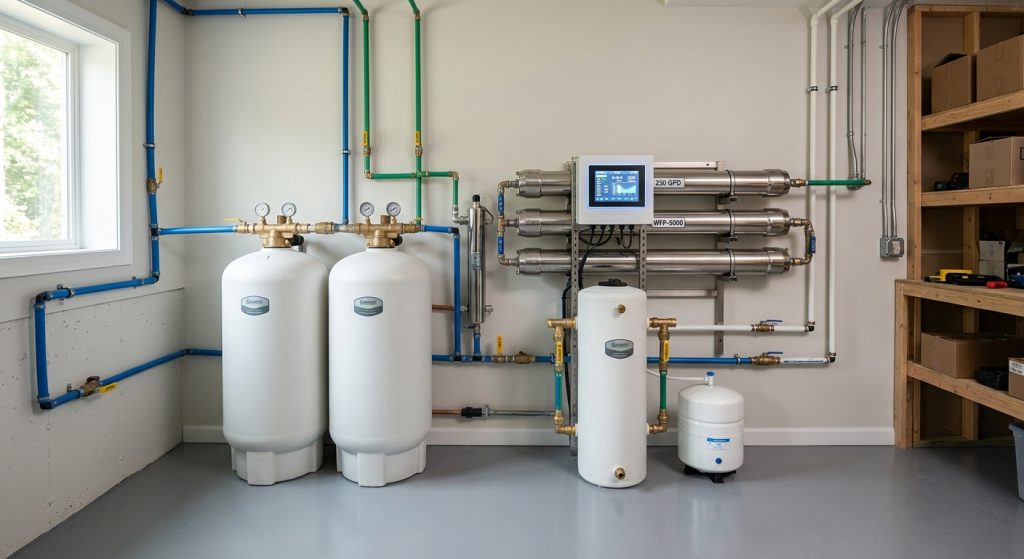
Picking the right whole house reverse osmosis system in 2026 isn’t just about good taste anymore. The EPA now says
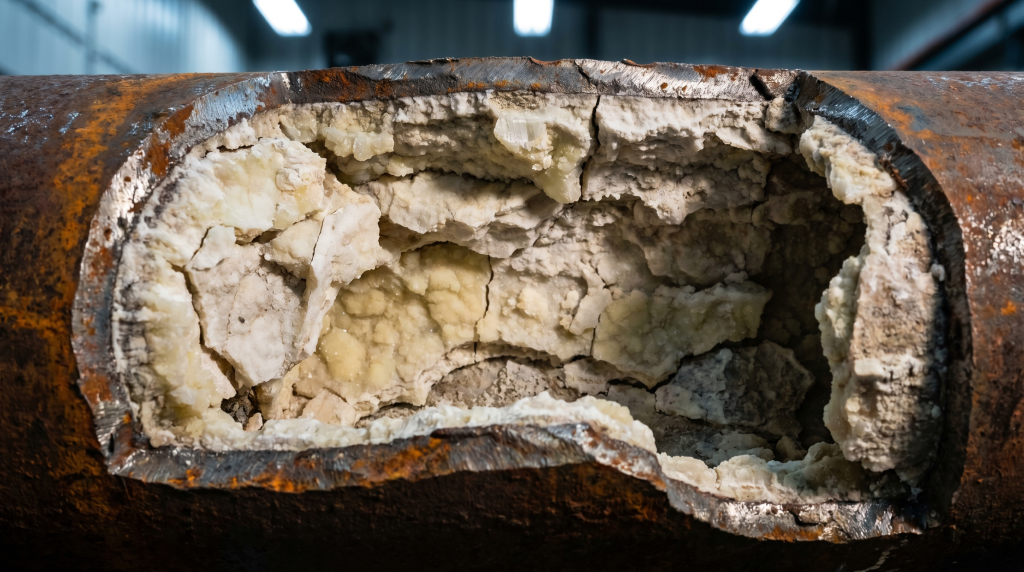
Quick Answer: Boiler feed water treatment using reverse osmosis removes the hardness minerals, silica, and dissolved solids that cause scale