
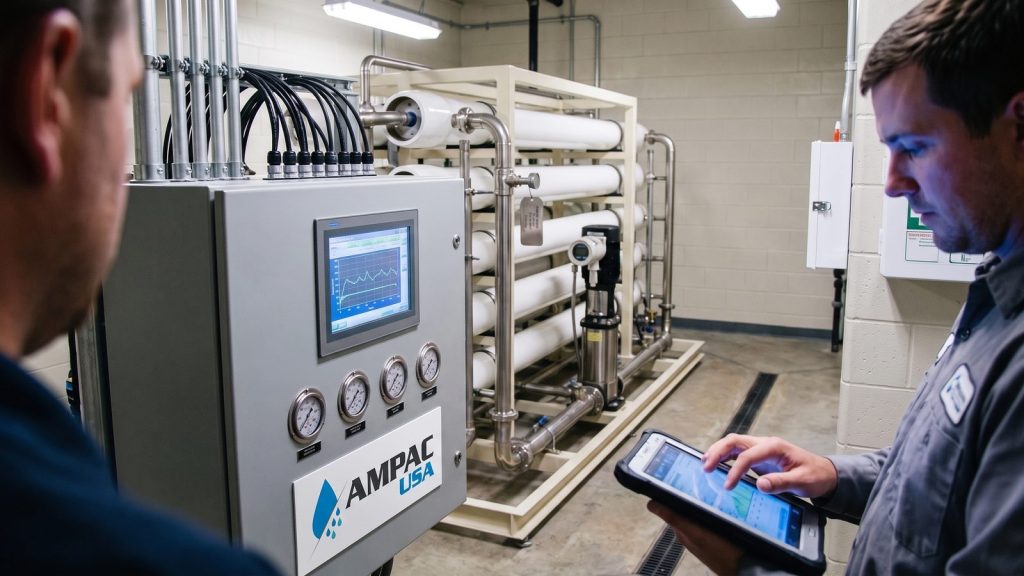
AI Predictive Maintenance Is Cutting Water Treatment Downtime
Sensor-based predictive maintenance — tracking normalized permeate flow, pressure differential, and pump vibration trends instead of waiting for a failure

Expert insights on water treatment, reverse osmosis, and purification systems
Sensor-based predictive maintenance — tracking normalized permeate flow, pressure differential, and pump vibration trends instead of waiting for a failure
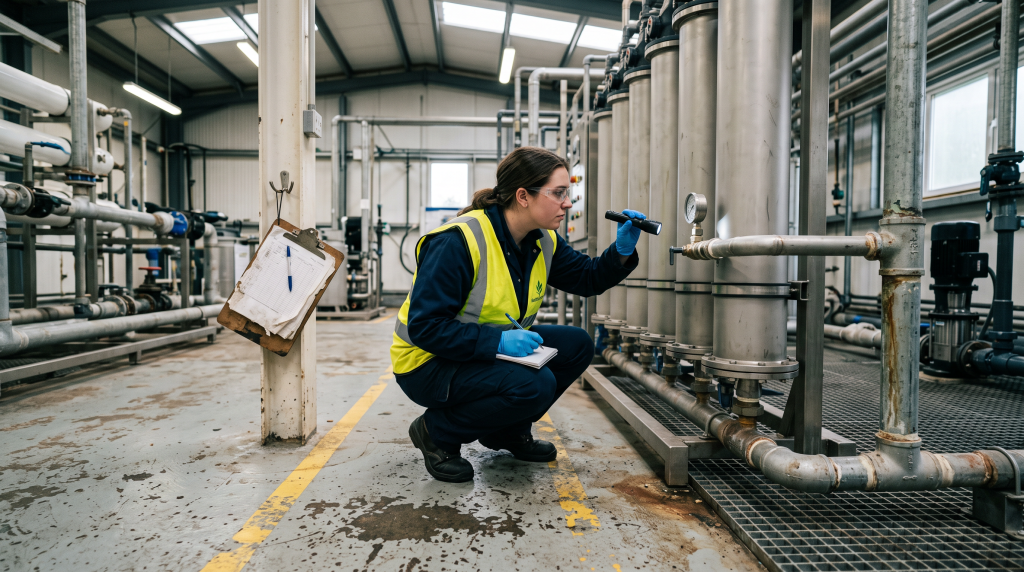
RO and UF membranes physically block viruses by size; chlorine and UV inactivate them chemically. Heres how each method performs, and why treatment plants use both.
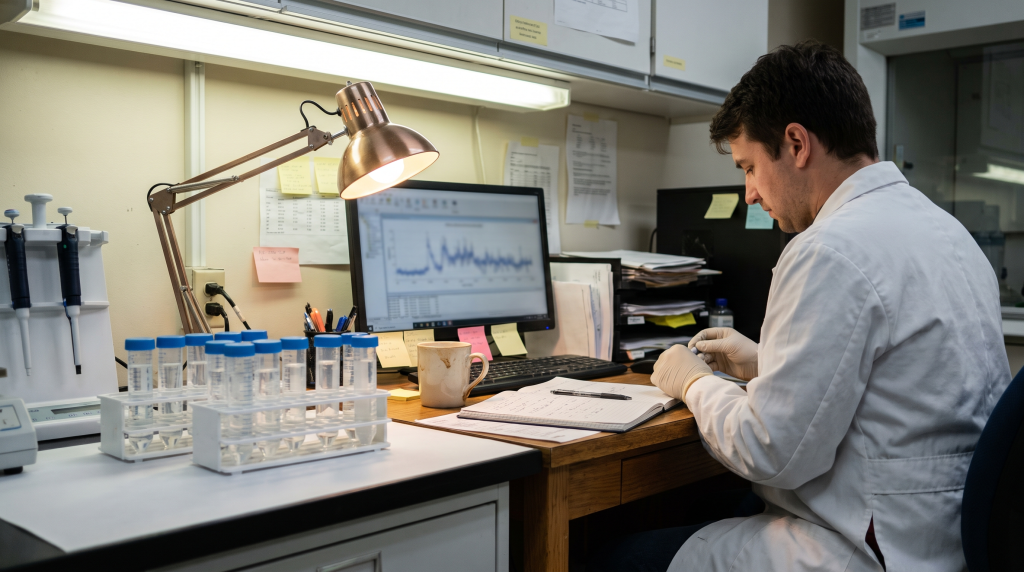
Modern qPCR detection shows some viruses survive standard disinfection. Heres the real outbreak data and why layering chlorine, UV, and membrane treatment matters.
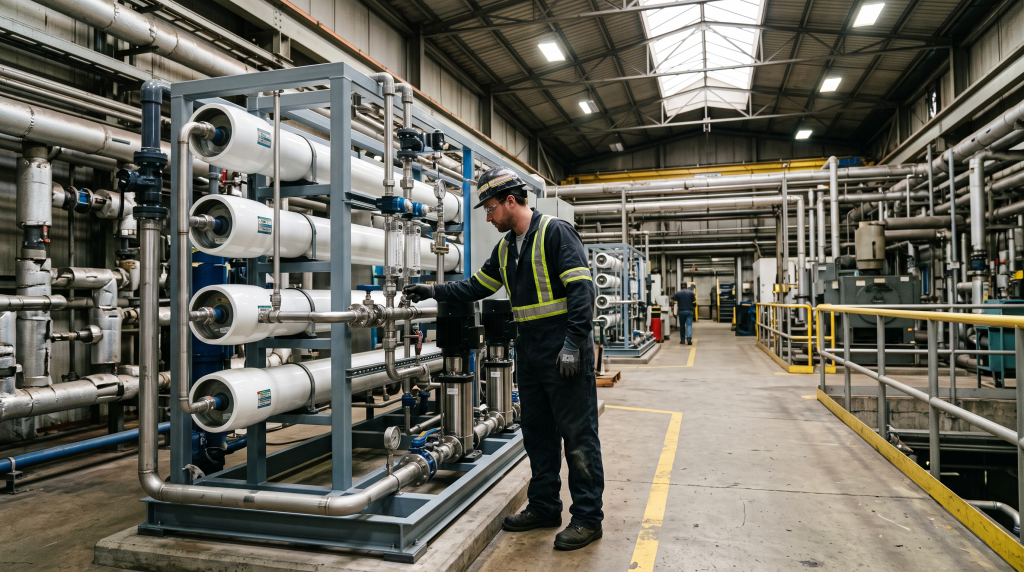
Forward osmosis uses a draw solution’s osmotic pressure to pull water through a membrane, not hydraulic force. Here’s how FO actually works, how it differs from RO, and where it fits commercially.
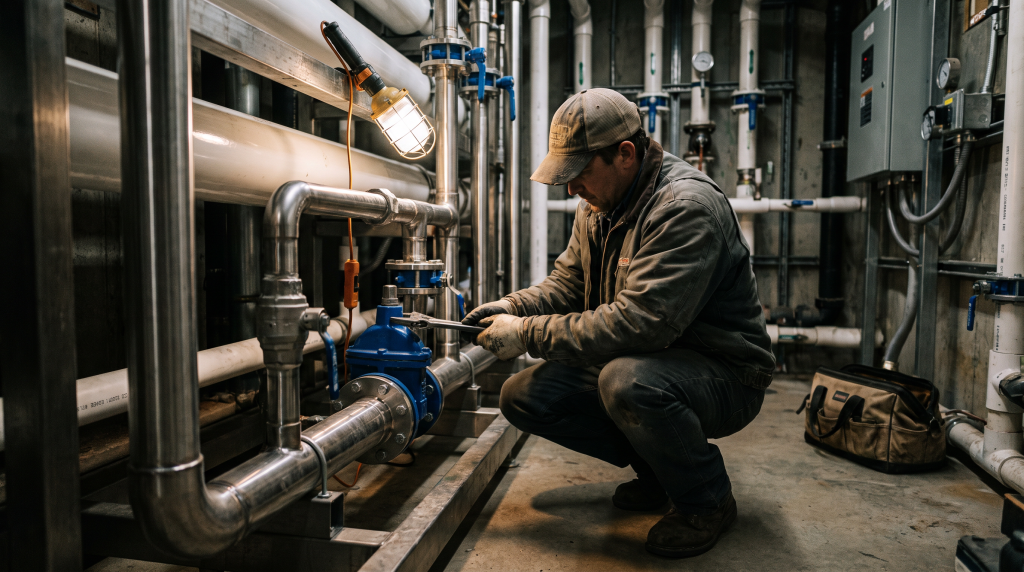
Reverse osmosis strips out 99%+ of bacteria, but Legionella can still colonize downstream plumbing if a system is poorly designed. Here’s what the engineering actually requires.
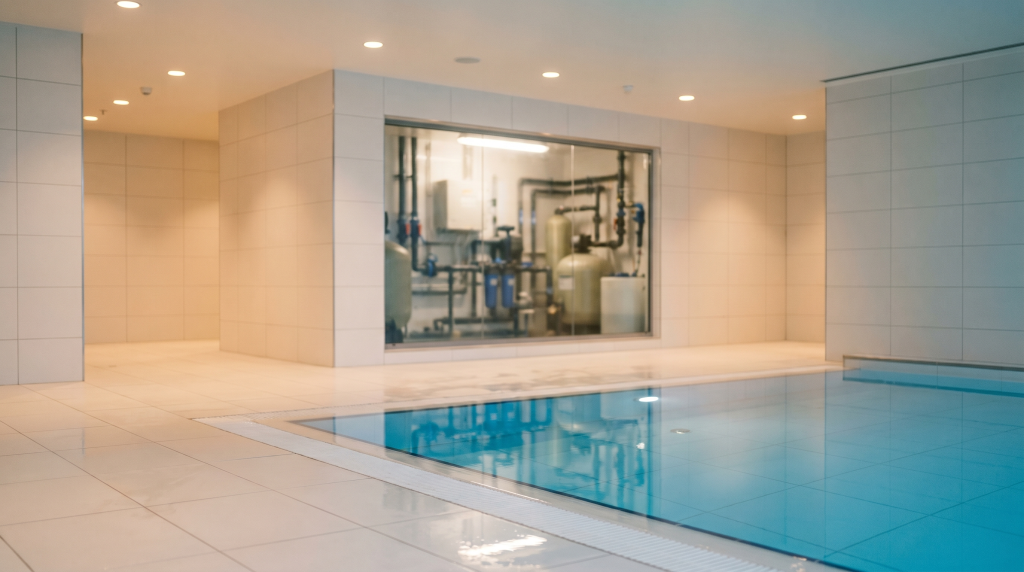
Water quality affects hospitality operations in ways that don’t always make it onto the maintenance checklist until something breaks. Scale
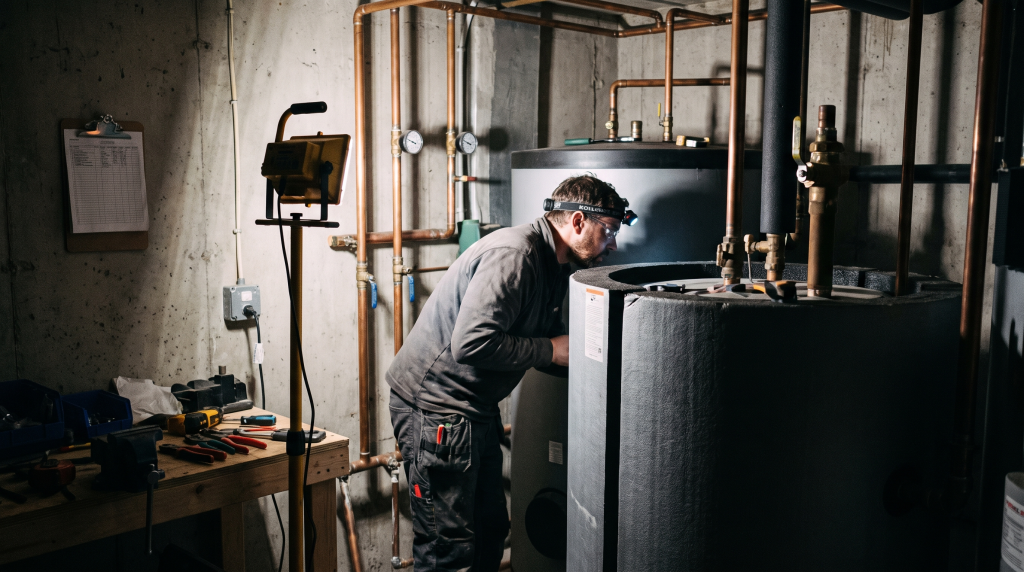
Legionella can survive over a year of starvation in building plumbing by entering a dormant state standard tests miss. Here’s how it persists, and which control methods actually work.
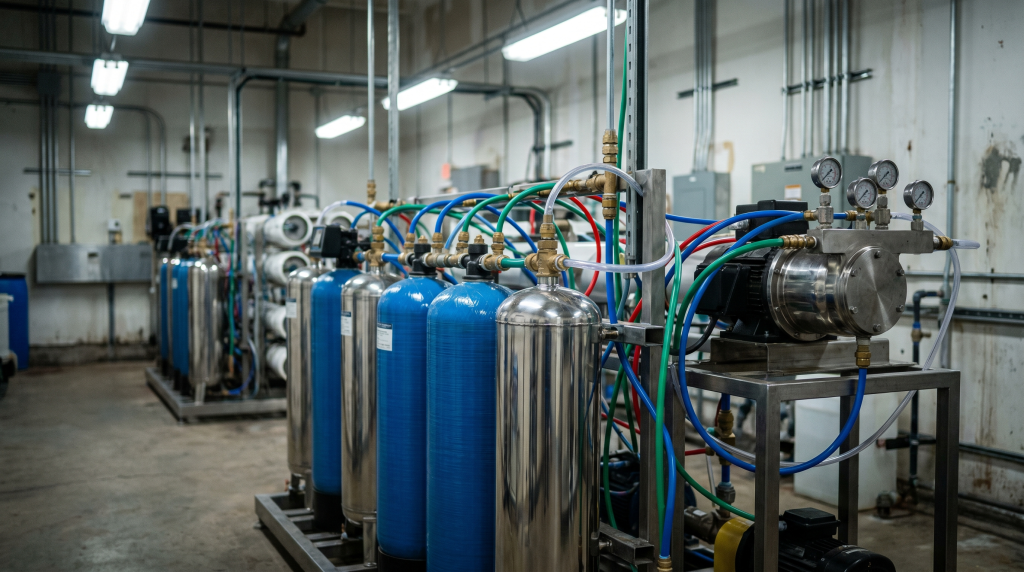
Commercial water treatment is not a product category. It’s a decision about which combination of technologies your facility needs, in
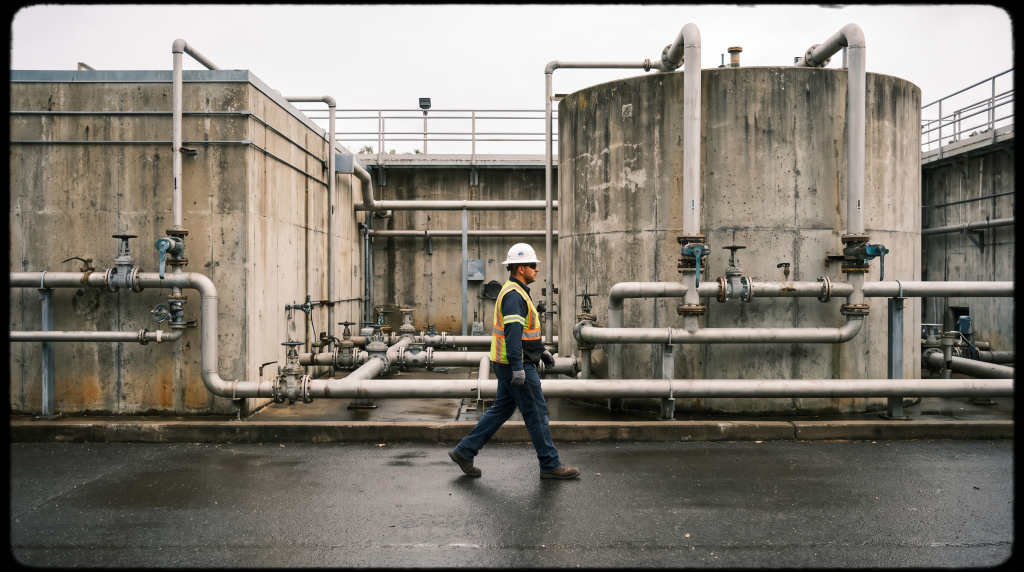
SDWA violations still touch tens of millions of Americans every year. Here’s what’s driving the numbers, what counts as a violation, and how to check your own utility’s record.
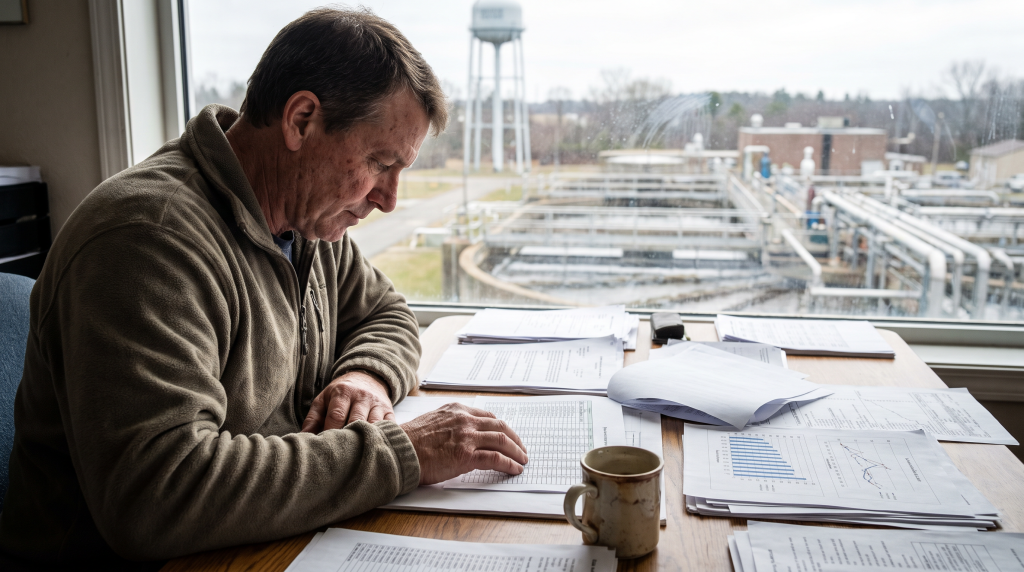
Waterborne illness costs the US healthcare system over $3 billion a year. Here’s what an outbreak actually costs a utility or facility, and why preventive water treatment is the cheaper bet.