
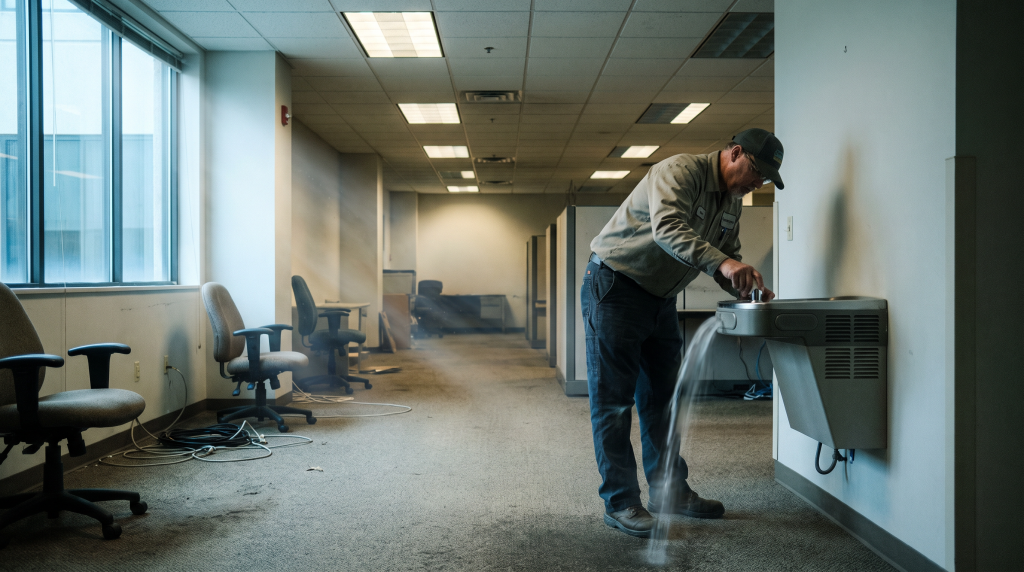
The Building Was Empty for Months. Is the Water Still Safe?
Vacant offices and seasonal buildings can grow Legionella and other bacteria in stagnant pipes. Here’s what the science says, and how flushing plus point-of-use treatment fixes it.

Expert insights on water treatment, reverse osmosis, and purification systems
Vacant offices and seasonal buildings can grow Legionella and other bacteria in stagnant pipes. Here’s what the science says, and how flushing plus point-of-use treatment fixes it.
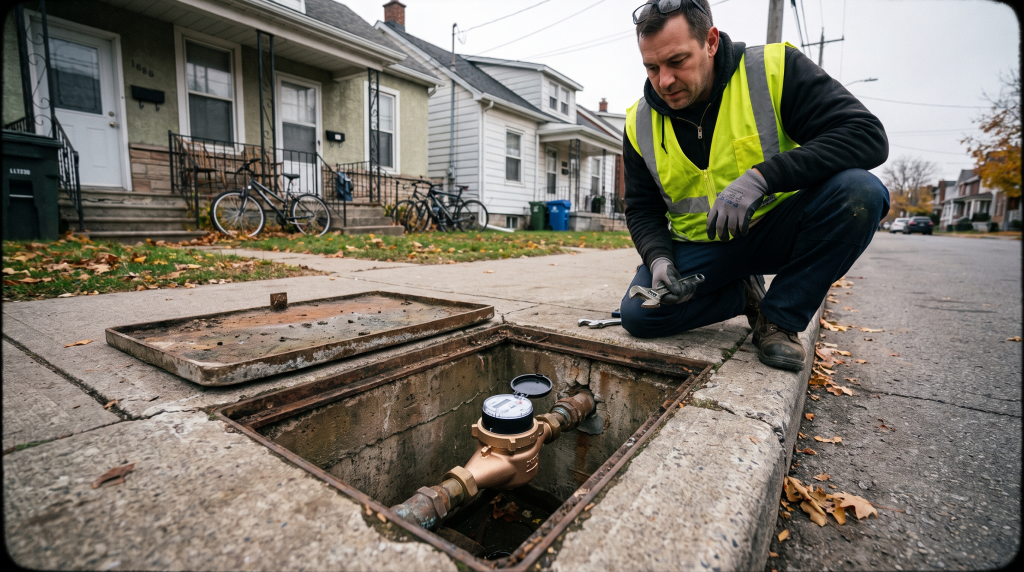
The Flint water crisis wasn’t just a lead problem. It triggered a Legionnaires’ outbreak that killed at least 12 people. Here’s what building owners can learn about Legionella risk and treatment.
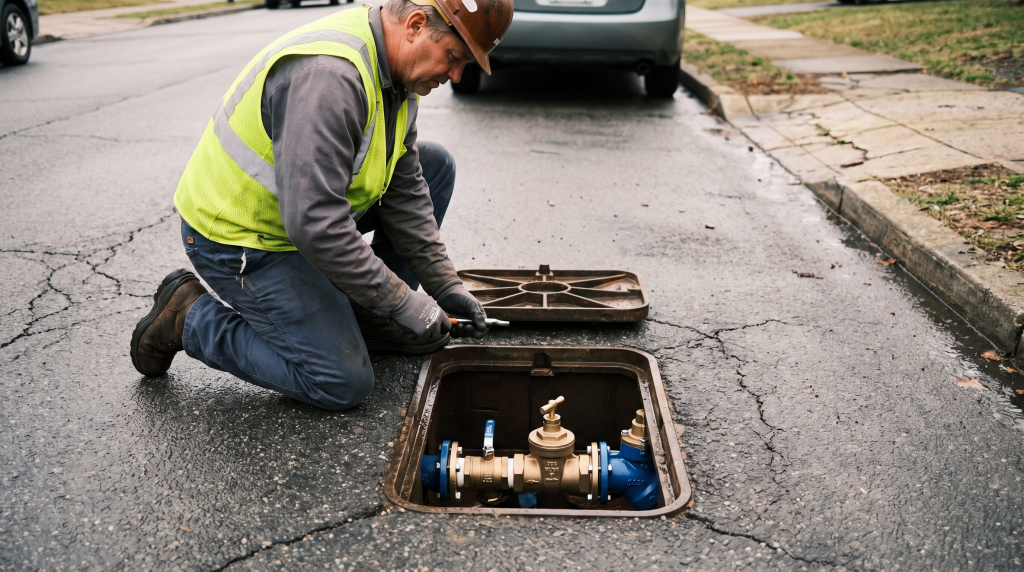
Bacteria in tap water usually isn’t a treatment plant failure. It’s biofilm and aging pipes in the distribution system. Here’s what causes it and how point-of-use RO and UV close the gap.
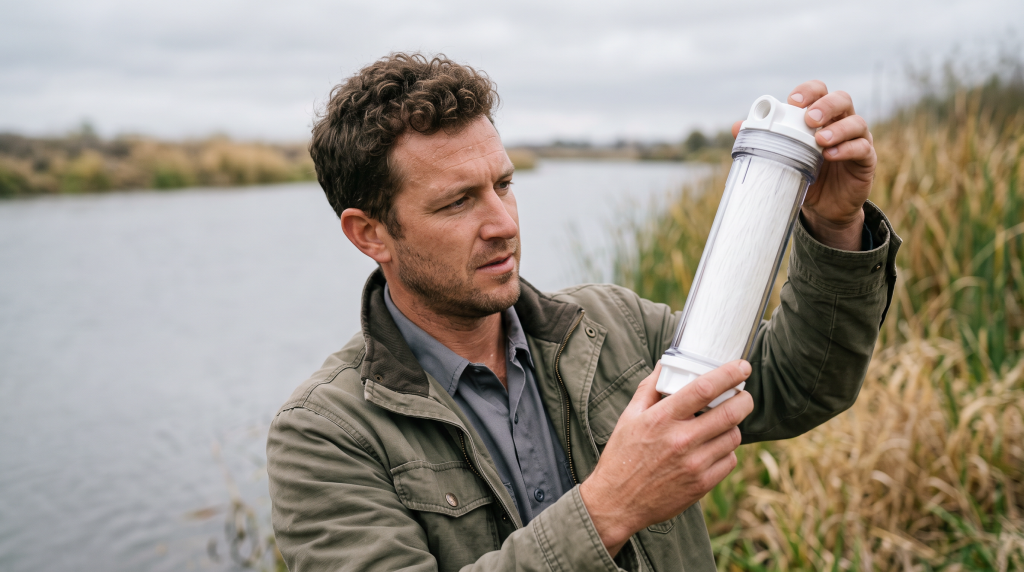
Norovirus and Hepatitis A can enter surface water through sewage overflows and runoff. Here’s how they get in, and how UF and RO membranes remove them.
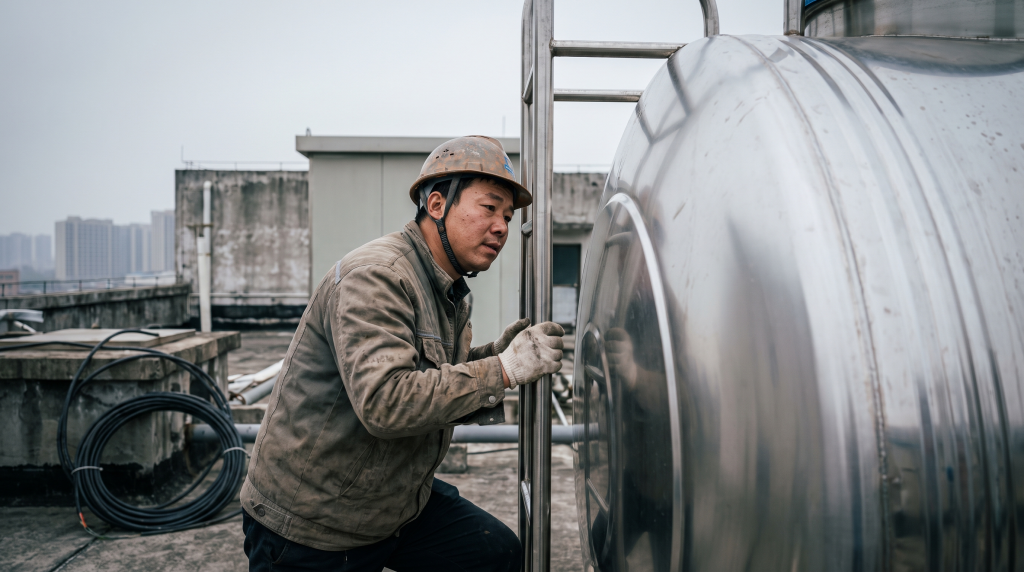
Biofilm and free-living amoebae persist in water storage tanks and towers even after chlorination. Here’s why, and how UV and RO stop them before they start.
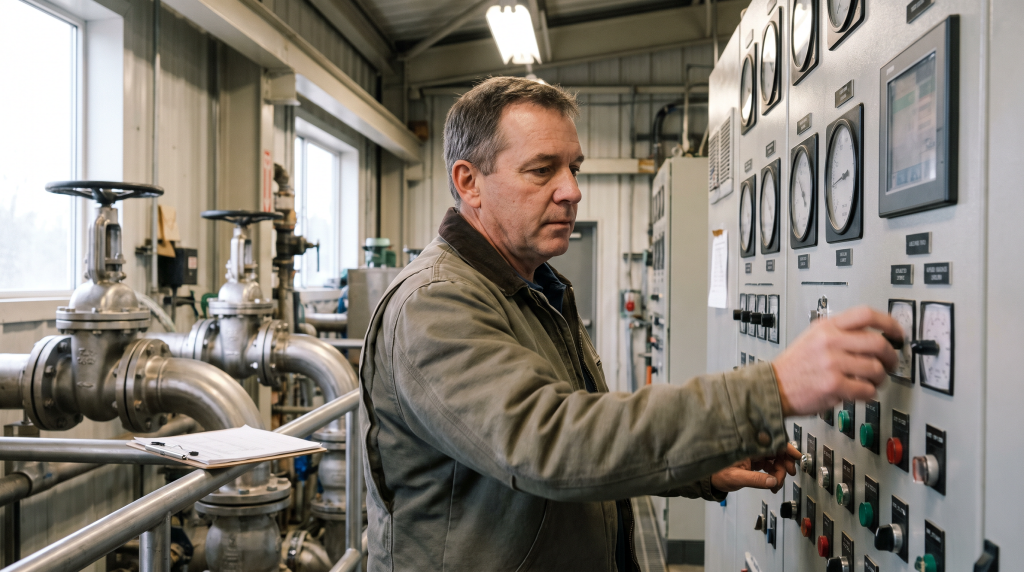
CDC surveillance data shows Legionella causes most drinking water outbreaks and nearly all deaths. Here’s what the numbers say, and why multi-barrier treatment like RO plus UV matters.
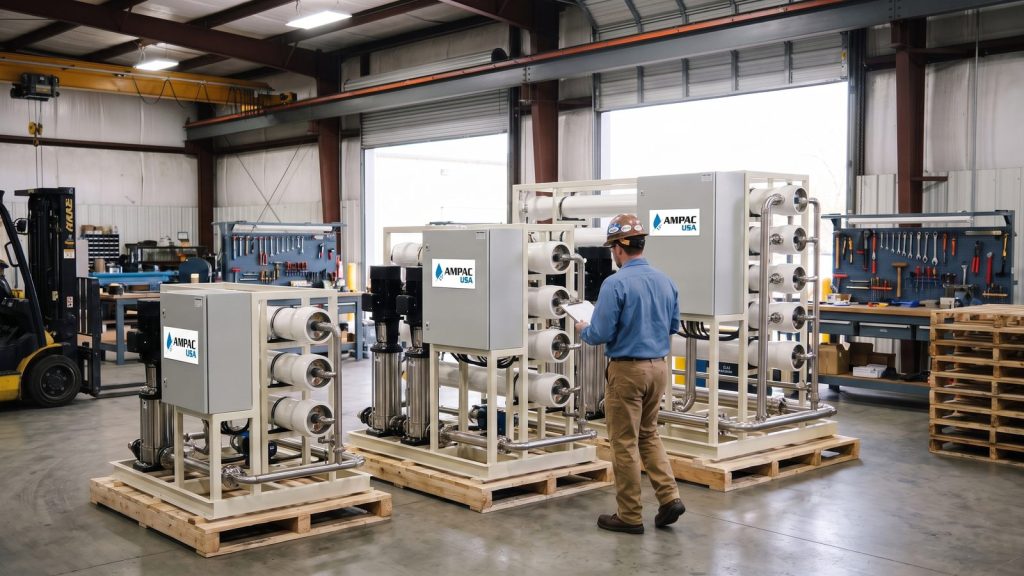
Technical specifications for AMPAC USA commercial reverse osmosis systems — complete system specs, membrane counts, pump ratings, dimensions, and operating
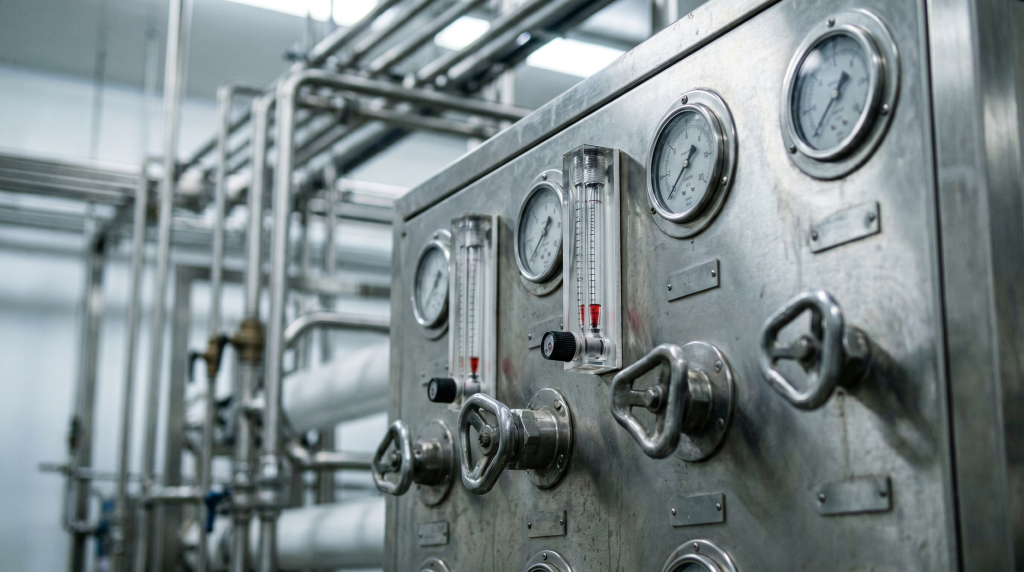
Recovery rate is one of the most consequential design parameters in an RO system — and one of the least
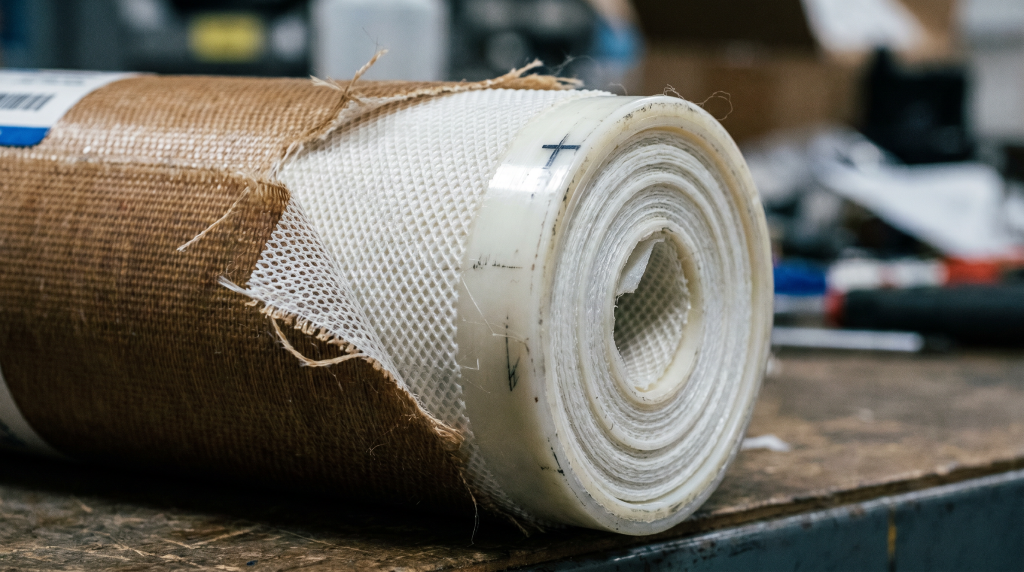
Not all RO membranes are interchangeable. The membrane is the core of an RO system, and selecting the right one
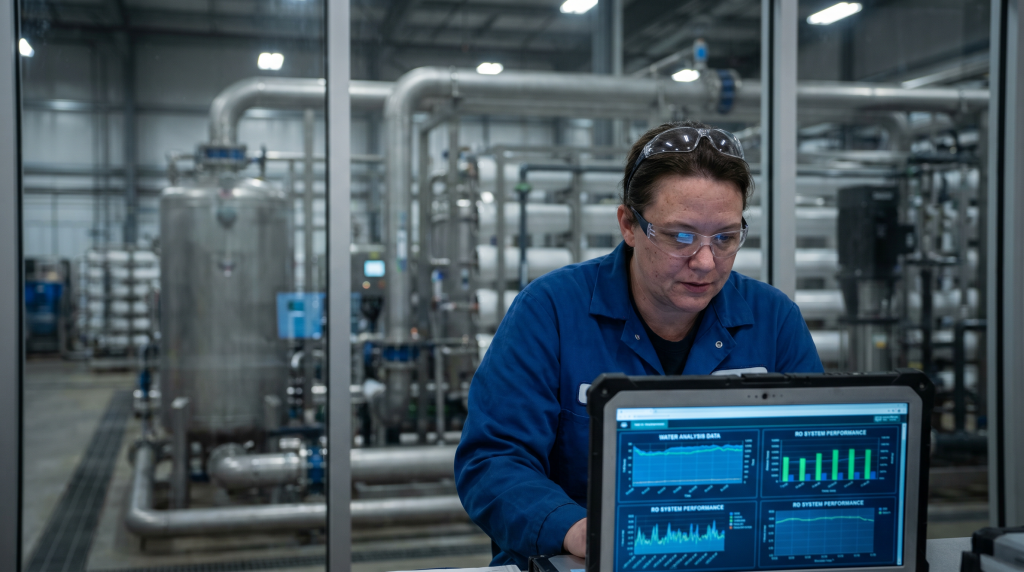
Buying a commercial reverse osmosis system is a capital equipment decision — the kind where the wrong choice costs more