
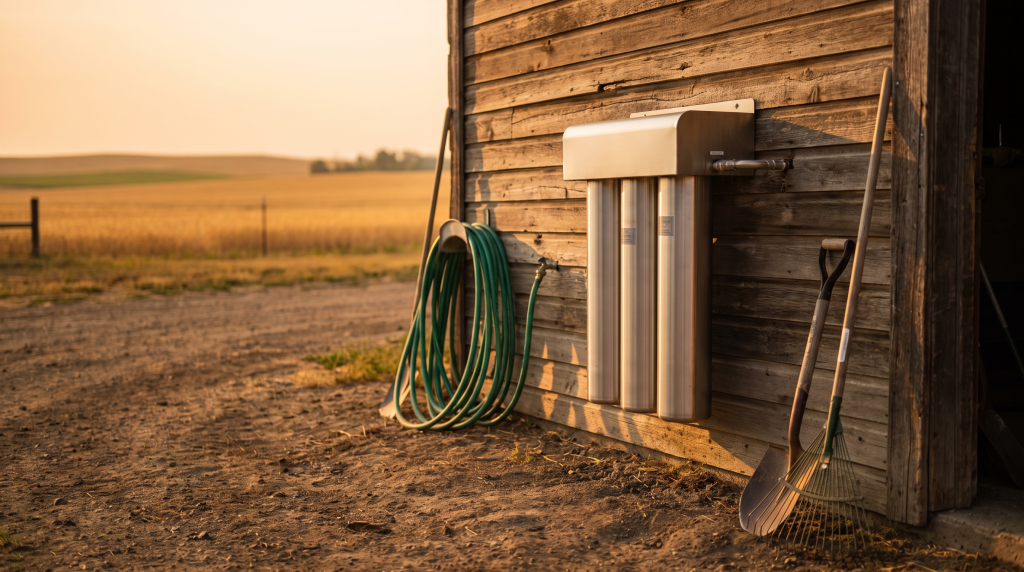
Nitrate in Drinking Water: What Private Well Owners Need to Know
Nitrate contaminates millions of private wells across agricultural regions, and wells arent EPA-regulated. Heres what the health data shows and how RO and ion exchange remove it.

Expert insights on water treatment, reverse osmosis, and purification systems
Nitrate contaminates millions of private wells across agricultural regions, and wells arent EPA-regulated. Heres what the health data shows and how RO and ion exchange remove it.
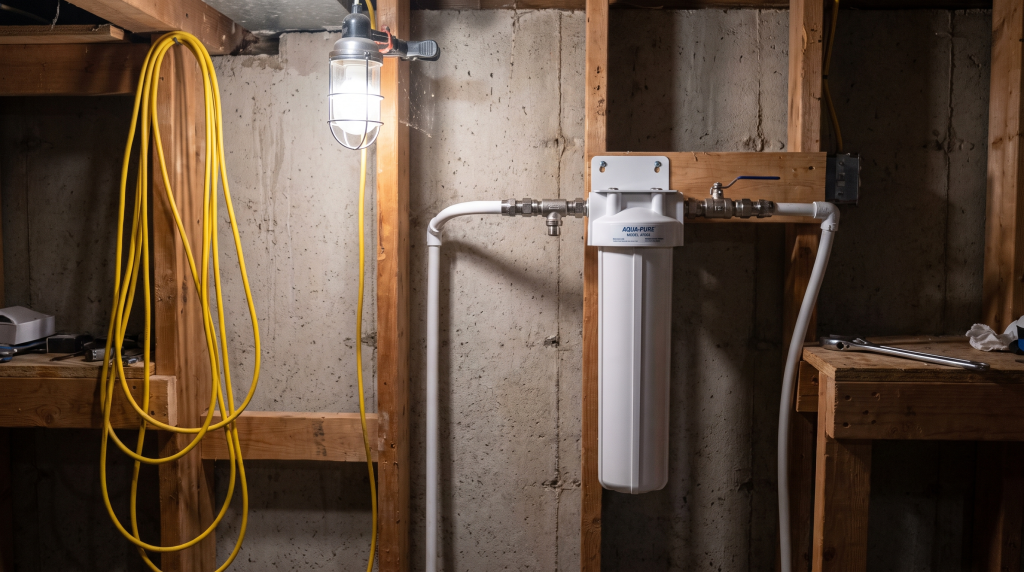
Private wells arent covered by EPA lead rules, and most owners never test. Heres what actually puts lead in well water and how point-of-entry filtration removes it.
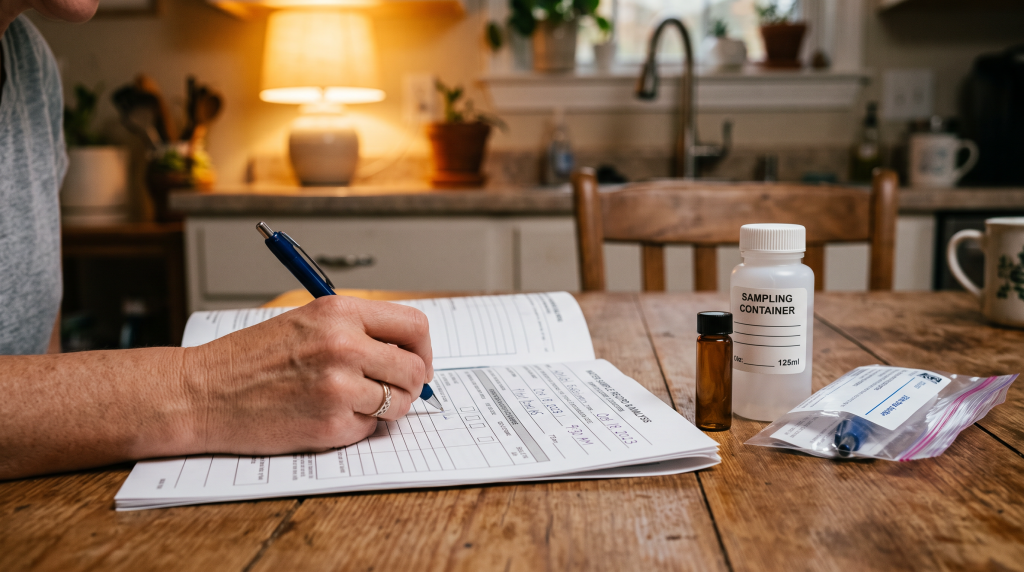
New Jersey’s Private Well Testing Act catches arsenic in thousands of wells every year. But testing positive and actually treating the water are two different things. Here’s the real compliance gap.
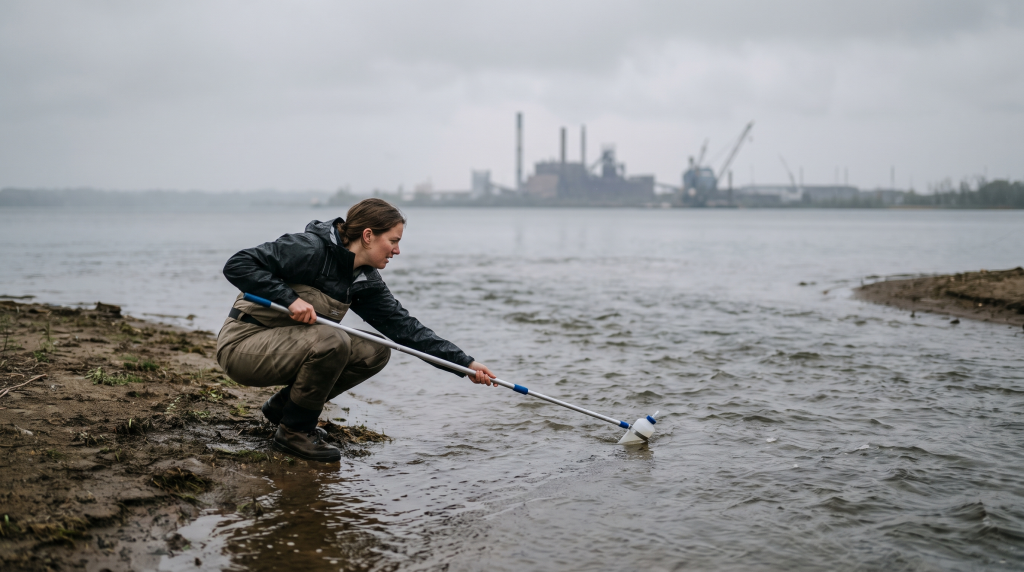
Great Lakes tributaries carry complex mixtures of pesticides, pharmaceuticals, PFAS, and industrial runoff. Here’s what USGS and EPA data shows, and how industrial reverse osmosis addresses multi-contaminant water.

Nearly half of tribal homes lack reliable clean water. Here’s what’s driving the reservation water crisis, why federal funding hasn’t closed the gap, and what point-of-use treatment can do right now.
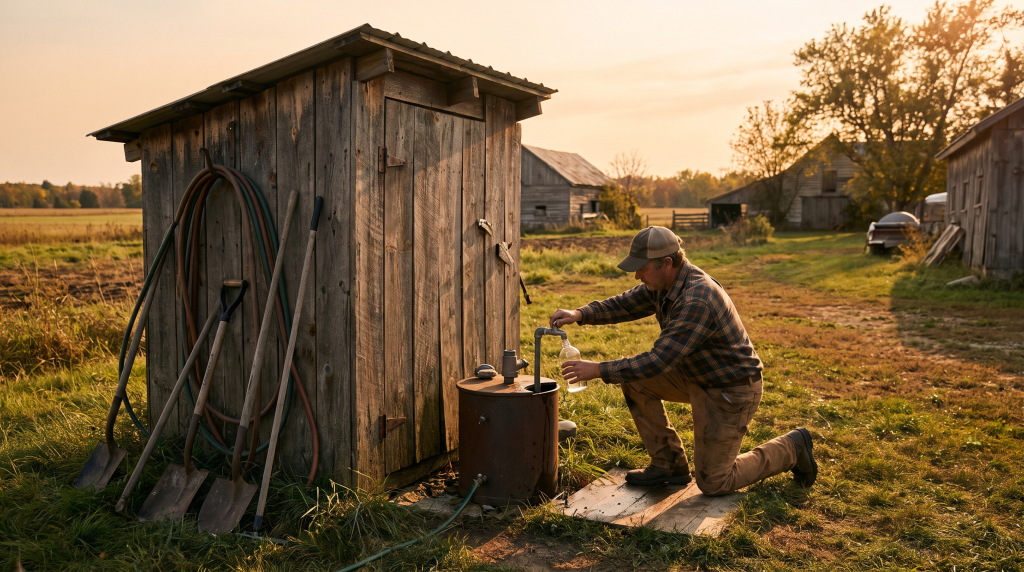
Two houses on the same street can pull completely different well water. Here’s why geology, well depth, and season drive that variation, and why treatment has to be tailored, not off-the-shelf.
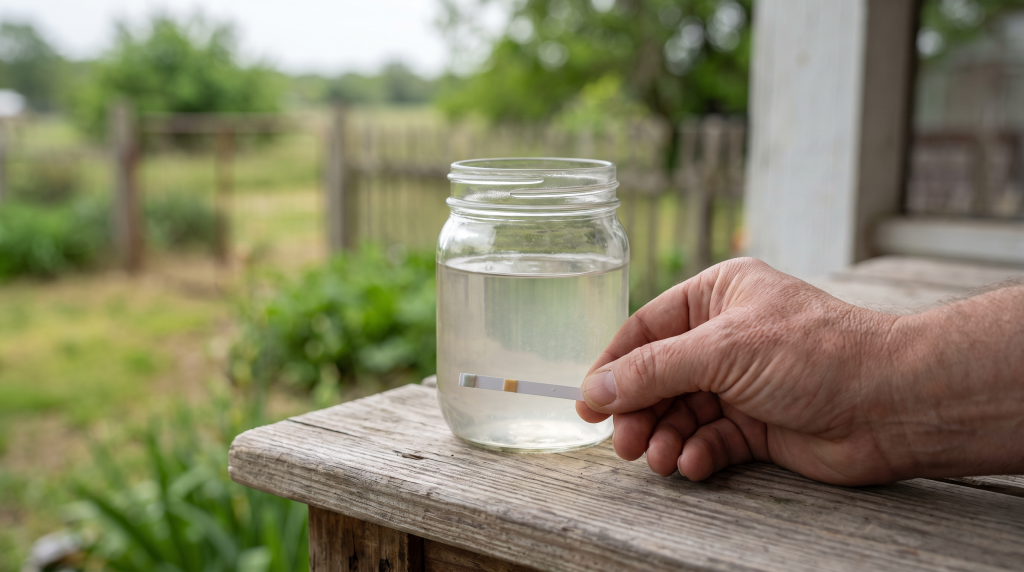
Roughly 2.1 million Americans on private wells may be drinking arsenic above EPA limits, and no one is required to test for it. Here’s what the science says and how residential RO fixes it.

How water utilities and regulators identify emerging contaminant risks before regulation hits, and why facilities that plan treatment upgrades early avoid the scramble.
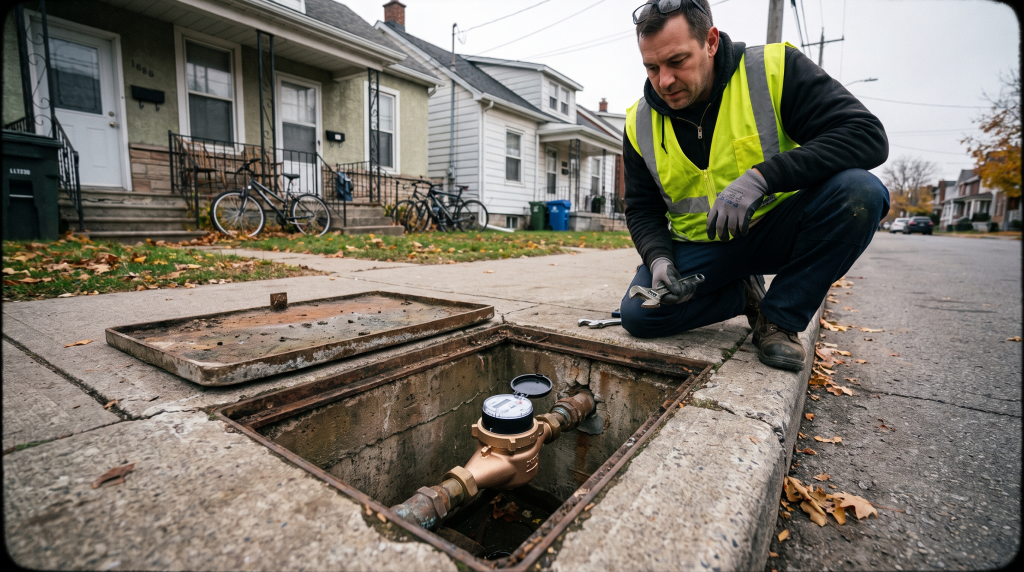
The Flint water crisis wasn’t just a lead problem. It triggered a Legionnaires’ outbreak that killed at least 12 people. Here’s what building owners can learn about Legionella risk and treatment.
Learn which industries require ultra-pure water including pharmaceuticals, microelectronics, and laboratories. Understand purity standards like USP, ASTM, and SEMI.