
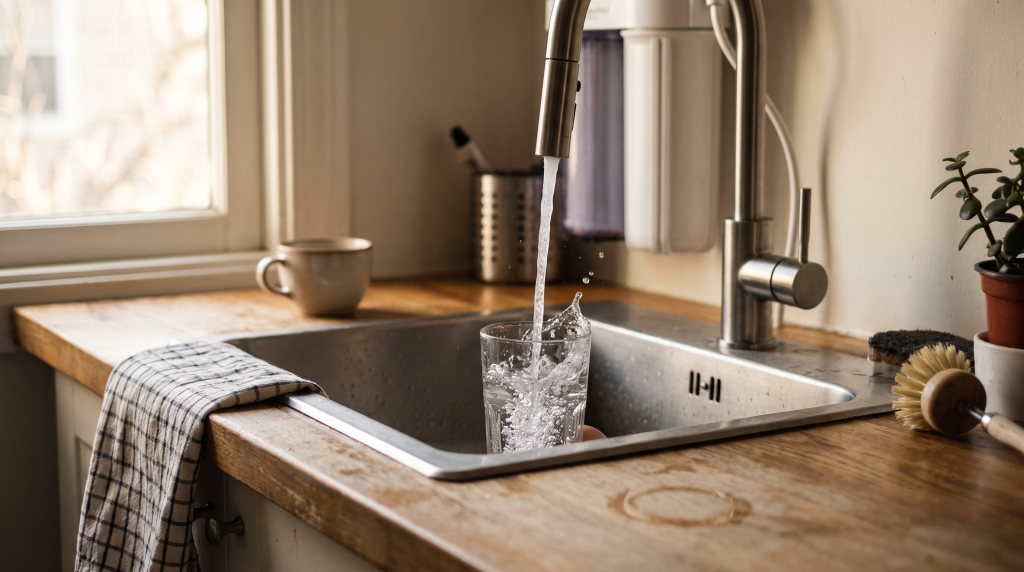
What’s Actually Living in Your Tap Water – And How UV and RO Stop It
Tap water can carry bacteria, protozoa, and viruses that survive standard chlorination. Heres what CDC and EPA data show, and how UV disinfection plus RO/UF stops them.

Expert insights on water treatment, reverse osmosis, and purification systems
Tap water can carry bacteria, protozoa, and viruses that survive standard chlorination. Heres what CDC and EPA data show, and how UV disinfection plus RO/UF stops them.
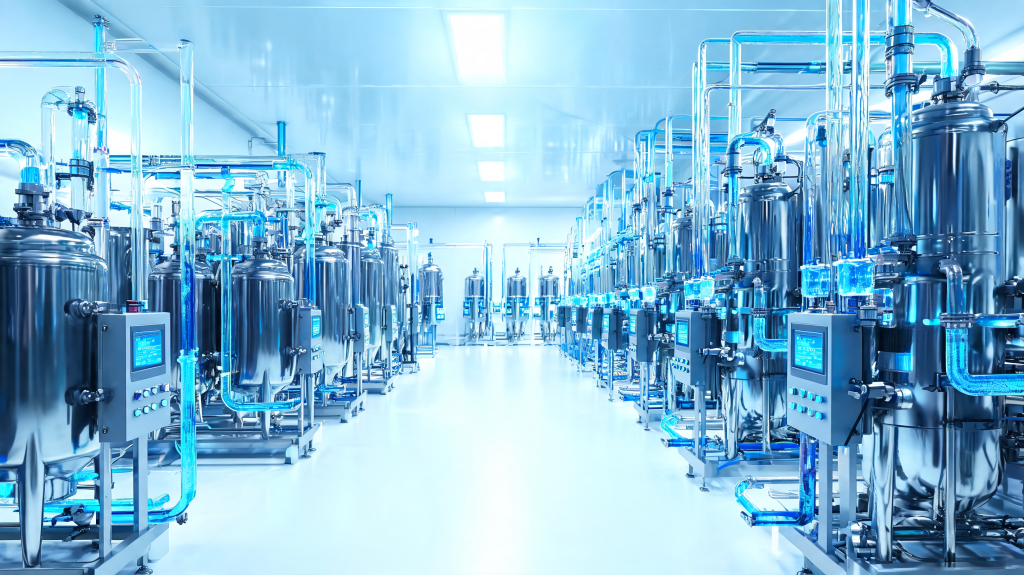
Pharmaceutical water is the most tightly regulated utility in drug manufacturing. The water grade your process requires — and the
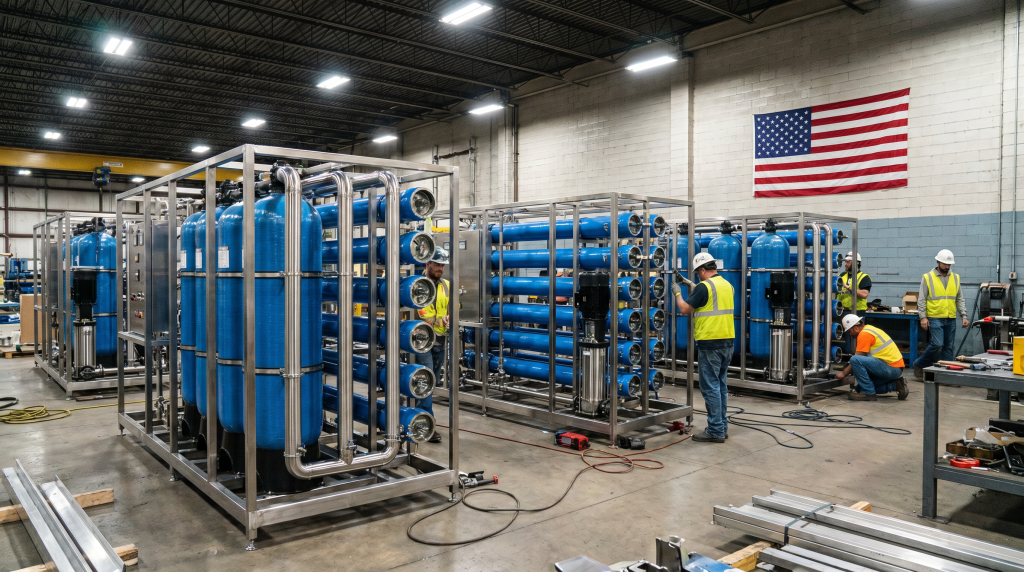
In the field, water supply is a logistics problem before it’s a chemistry problem. A unit that can’t purify what
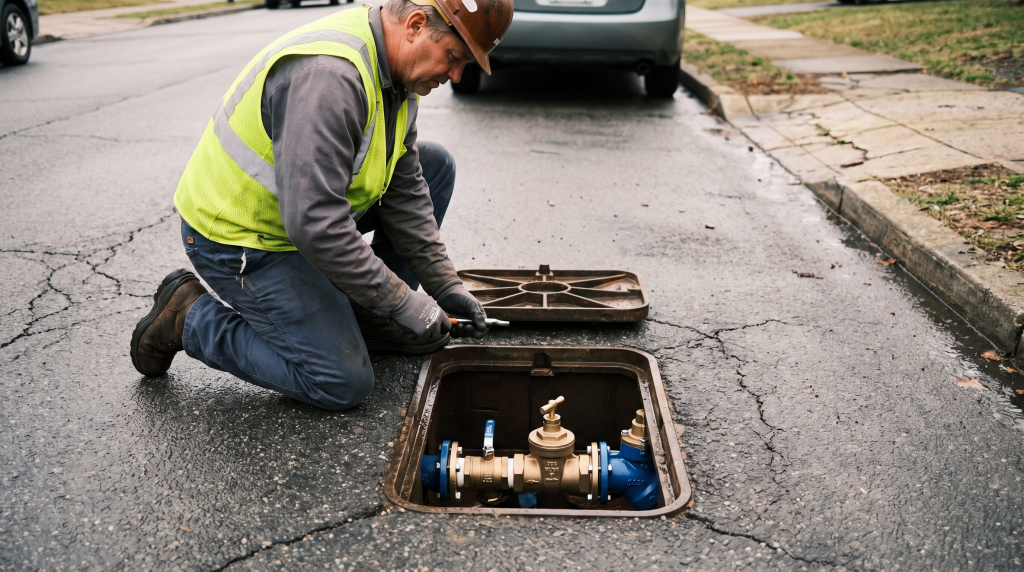
Bacteria in tap water usually isn’t a treatment plant failure. It’s biofilm and aging pipes in the distribution system. Here’s what causes it and how point-of-use RO and UV close the gap.
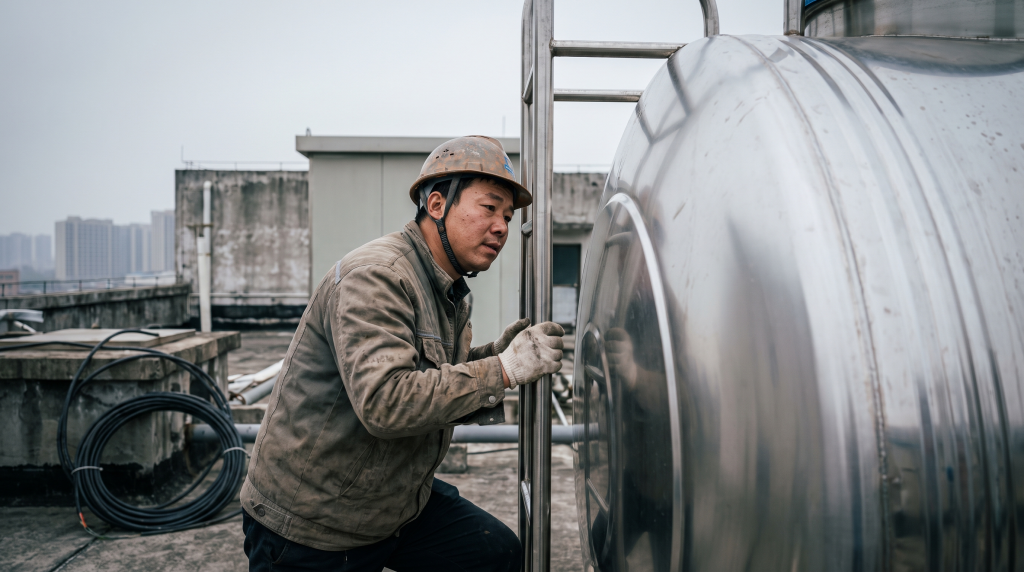
Biofilm and free-living amoebae persist in water storage tanks and towers even after chlorination. Here’s why, and how UV and RO stop them before they start.
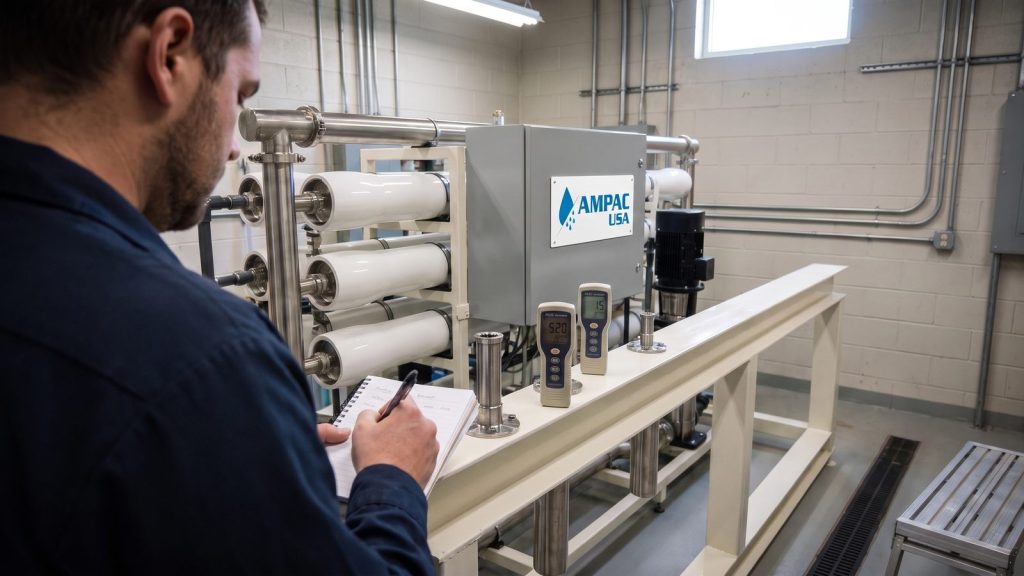
Rejection rate is the number that tells you whether your RO membrane is actually working. It measures what percentage of
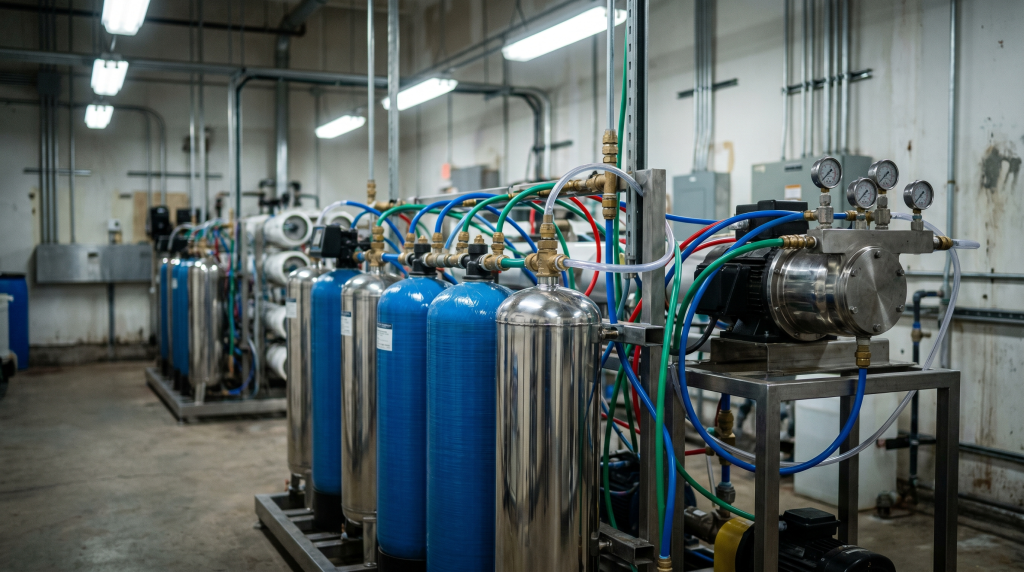
Reverse osmosis sounds complicated. The underlying principle isn’t. Water is pushed through a membrane so fine it passes water molecules
Pharmaceutical makers don’t get to round up on water quality. USP Purified Water has to hit strict conductivity limits every
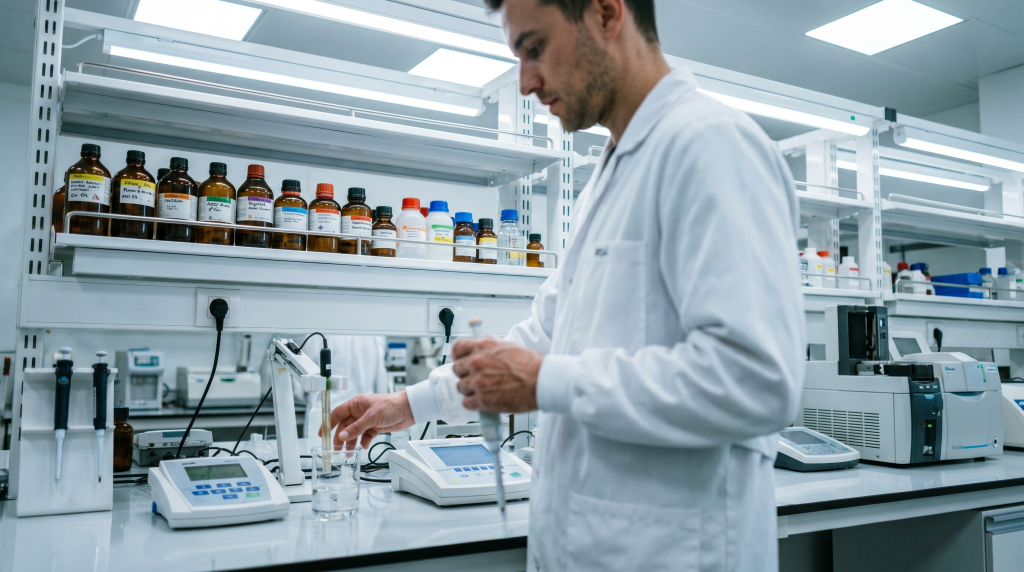
Pharmaceutical and laboratory water purification operates under a different set of requirements than any other application. The water isn’t just
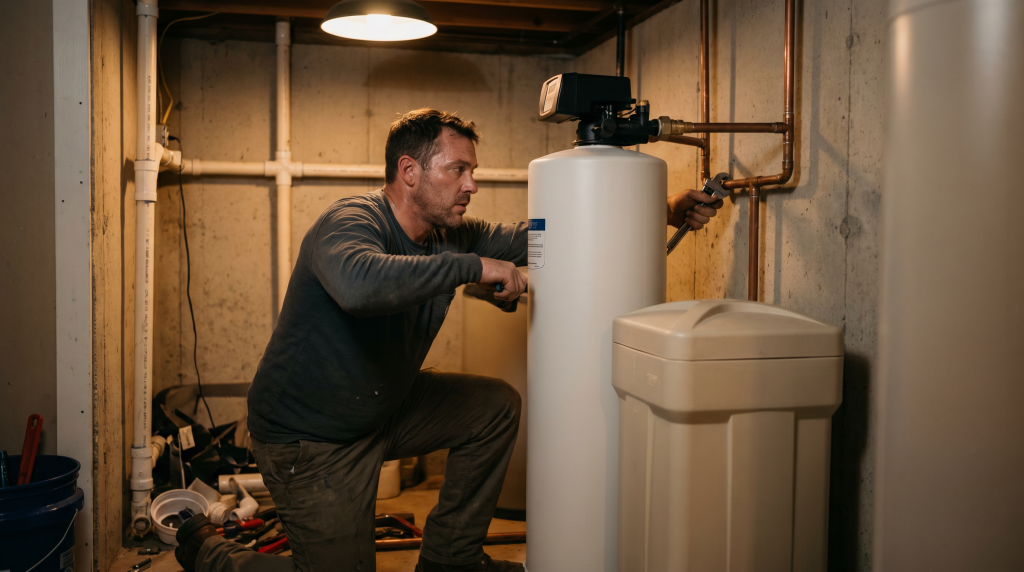
Water softeners and reverse osmosis systems are often confused as doing the same thing. They don’t. A water softener removes