
EPA Adds Microplastics to Drinking Water Contaminant List (2026): What CCL 6 Means for You
Quick Answer On April 2, 2026, the U.S. EPA published Draft Contaminant Candidate List 6 (CCL 6), adding microplastics and

Expert insights on water treatment, reverse osmosis, and purification systems
Quick Answer On April 2, 2026, the U.S. EPA published Draft Contaminant Candidate List 6 (CCL 6), adding microplastics and
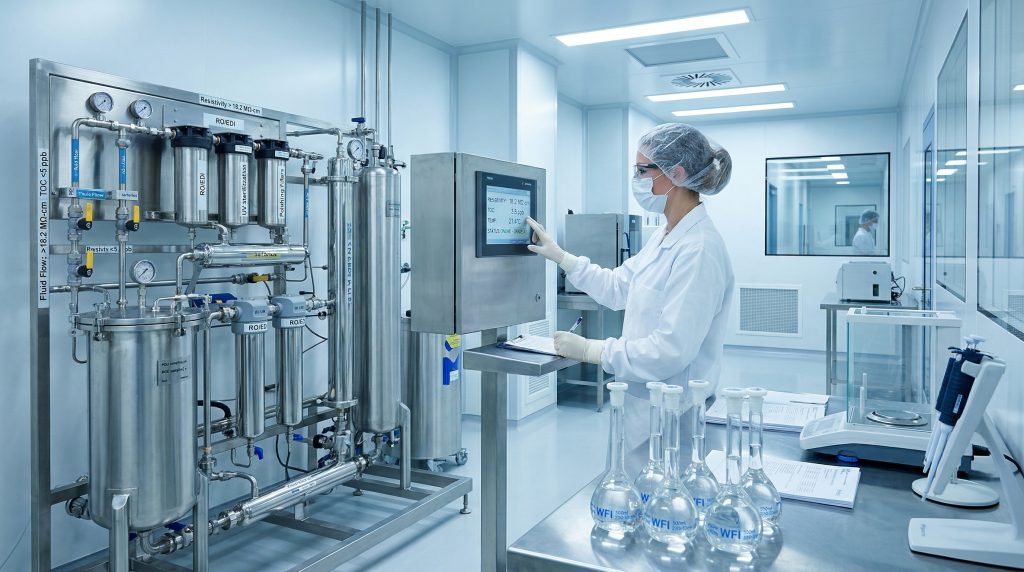
Pharmaceutical water is not just clean water. It is a precisely defined, rigorously tested, and continuously monitored critical utility that
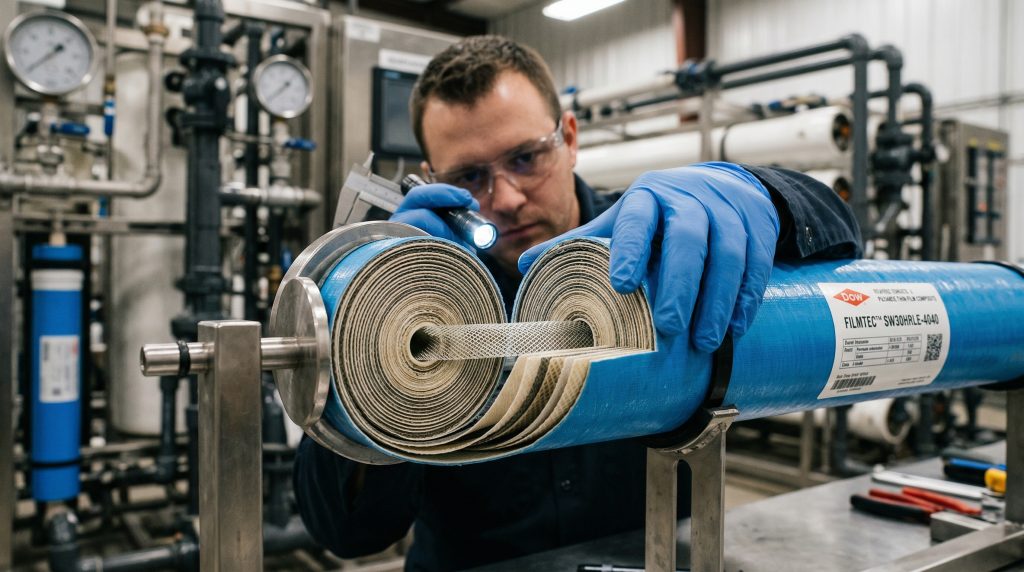
Reverse osmosis membranes are the heart of any RO water purification system. Whether you operate a residential under-sink unit or
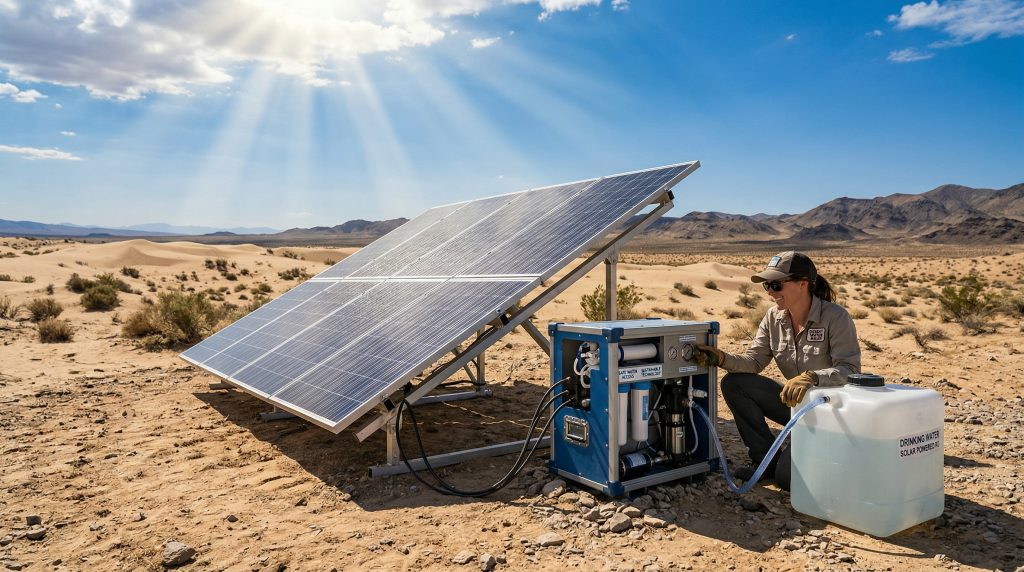
Quick Answer: Solar-powered water purification systems use photovoltaic panels to run reverse osmosis units without grid electricity or diesel fuel.
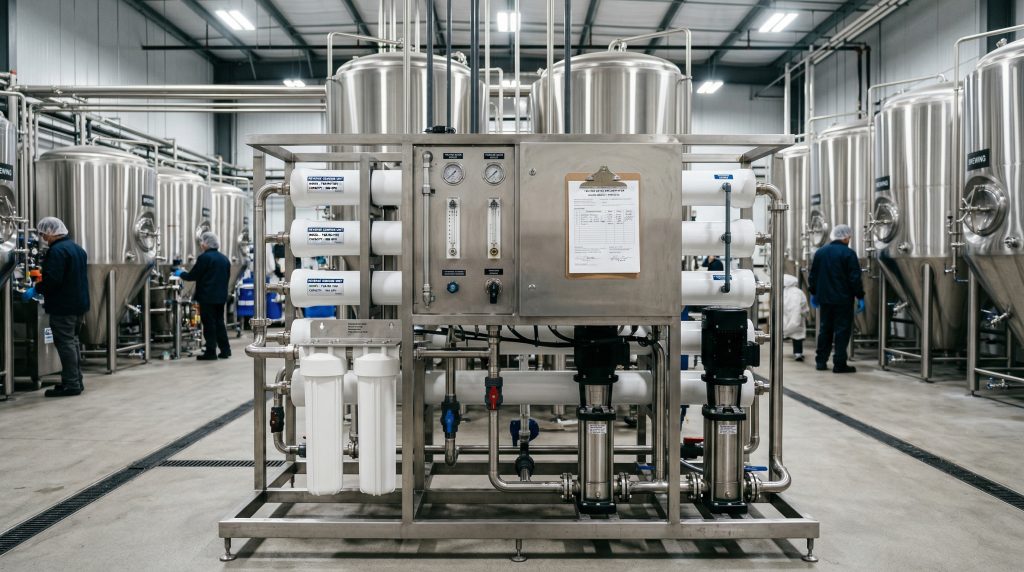
Water Treatment for Food & Beverage Manufacturing: RO Systems and FDA Compliance Quick Answer: Food and beverage manufacturers must use
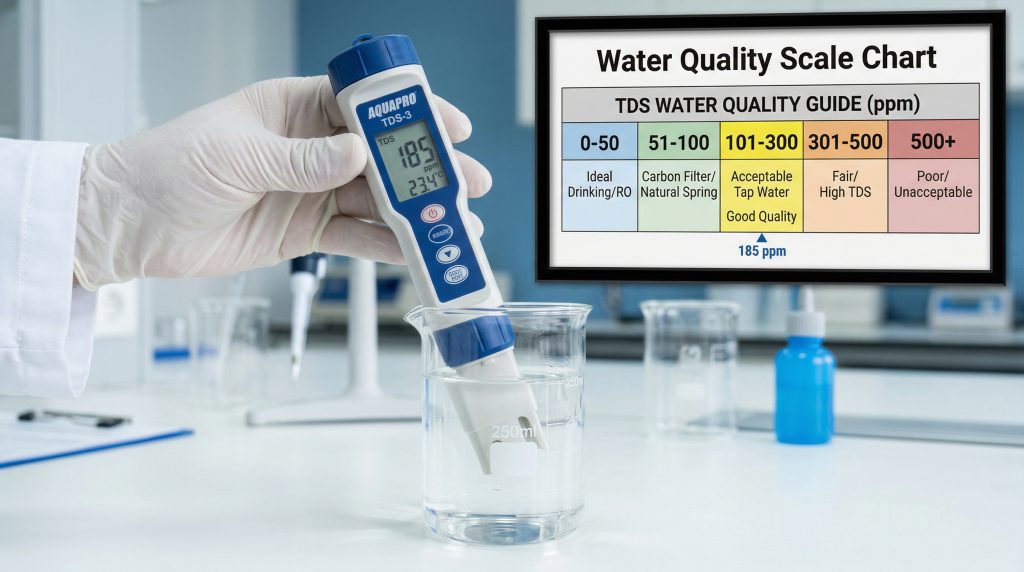
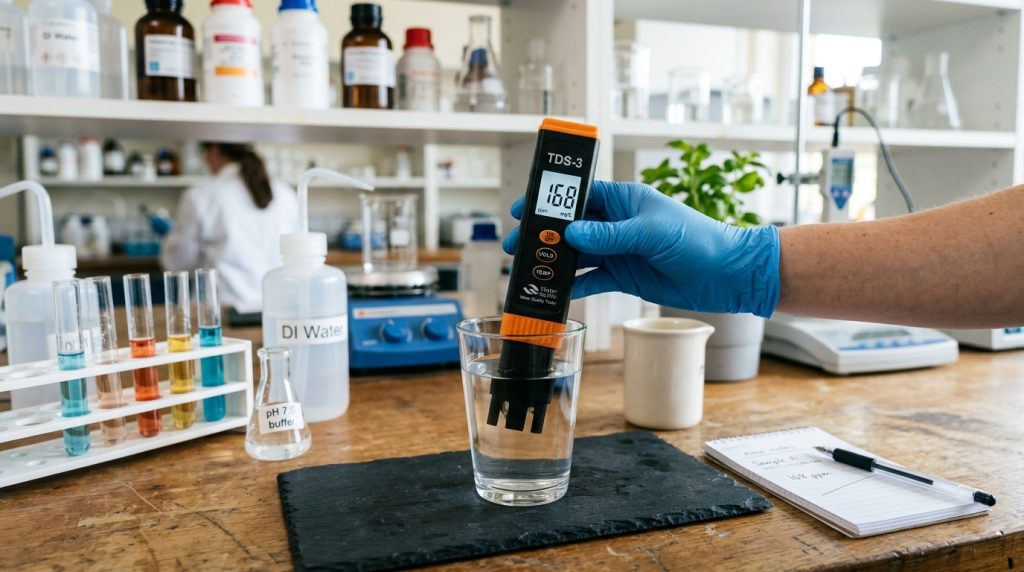
Quick Answer: Total Dissolved Solids (TDS) measures the concentration of dissolved minerals, salts, metals, and organic matter in water, expressed
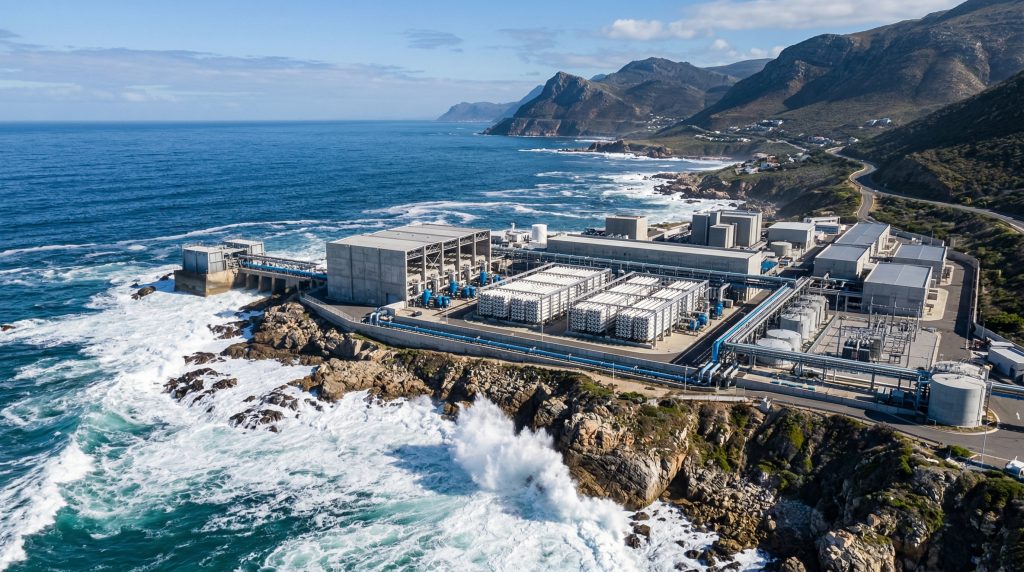
How to Choose the Right Seawater Desalination System: Complete Buyer’s Guide 2026 Quick Answer: A seawater desalination system converts ocean
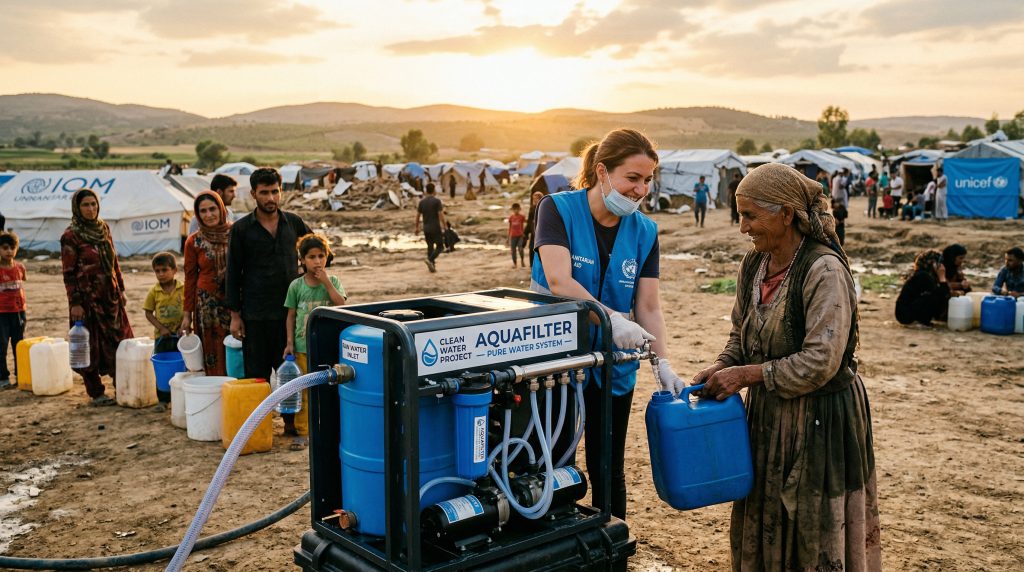
Quick Answer: Emergency water purification systems produce safe drinking water from contaminated sources during natural disasters, humanitarian crises, and remote
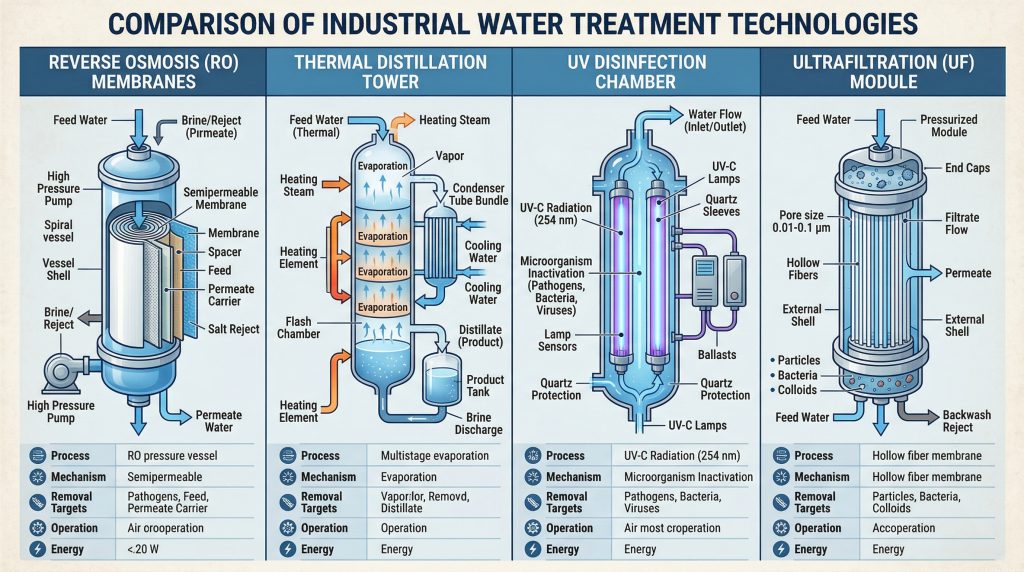
Quick Answer: For industrial water purification, reverse osmosis (RO) offers the best balance of contaminant removal (95-99% TDS), energy efficiency
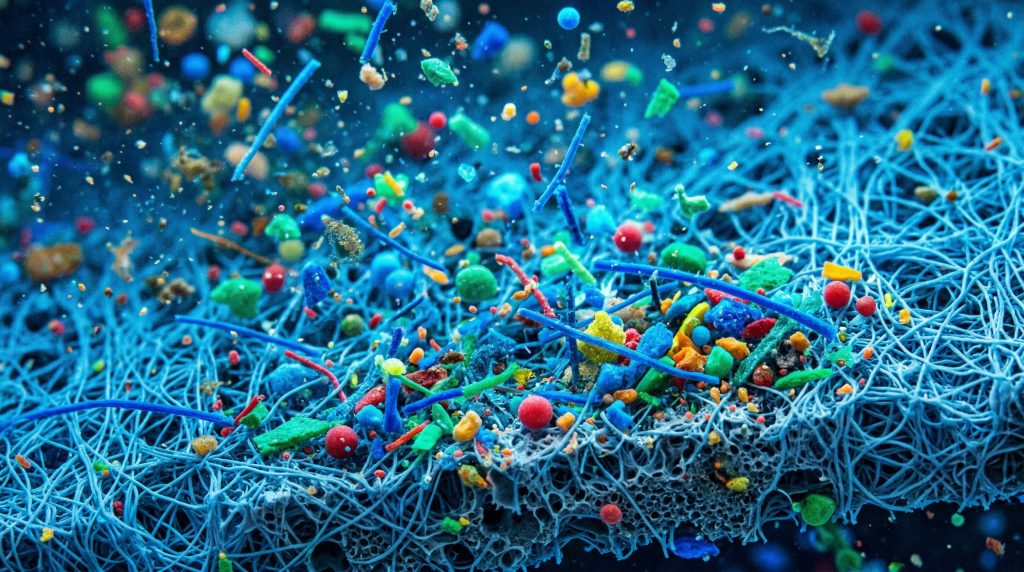
Quick Answer: Yes, reverse osmosis removes more than 99.9% of microplastics from drinking water. RO membrane pores (0.0001 microns) are