
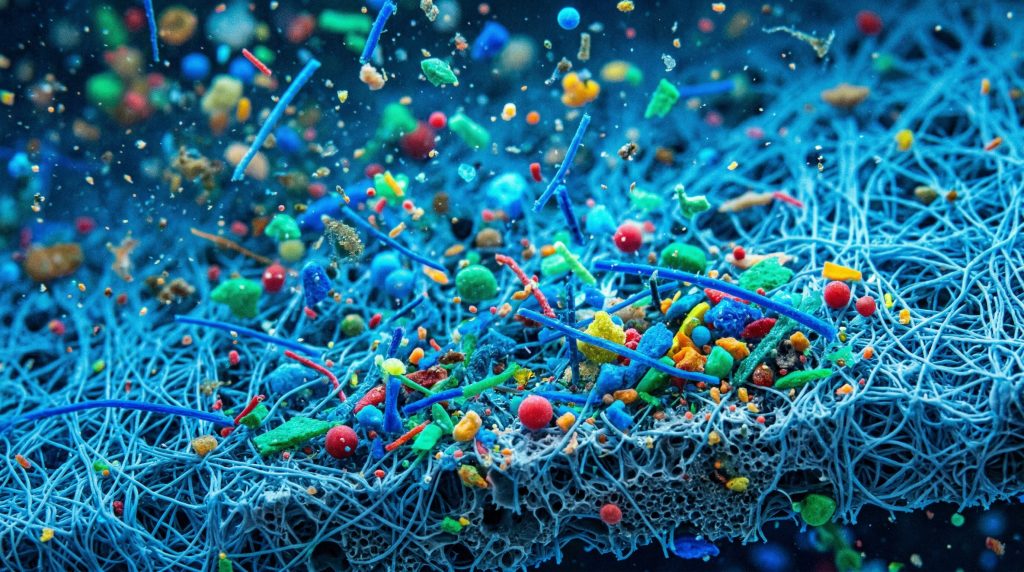
Microplastics in Drinking Water: Can Reverse Osmosis Remove Them? [2026 Research]
Quick Answer: Yes, reverse osmosis removes more than 99.9% of microplastics from drinking water. RO membrane pores (0.0001 microns) are

Expert insights on water treatment, reverse osmosis, and purification systems
Quick Answer: Yes, reverse osmosis removes more than 99.9% of microplastics from drinking water. RO membrane pores (0.0001 microns) are
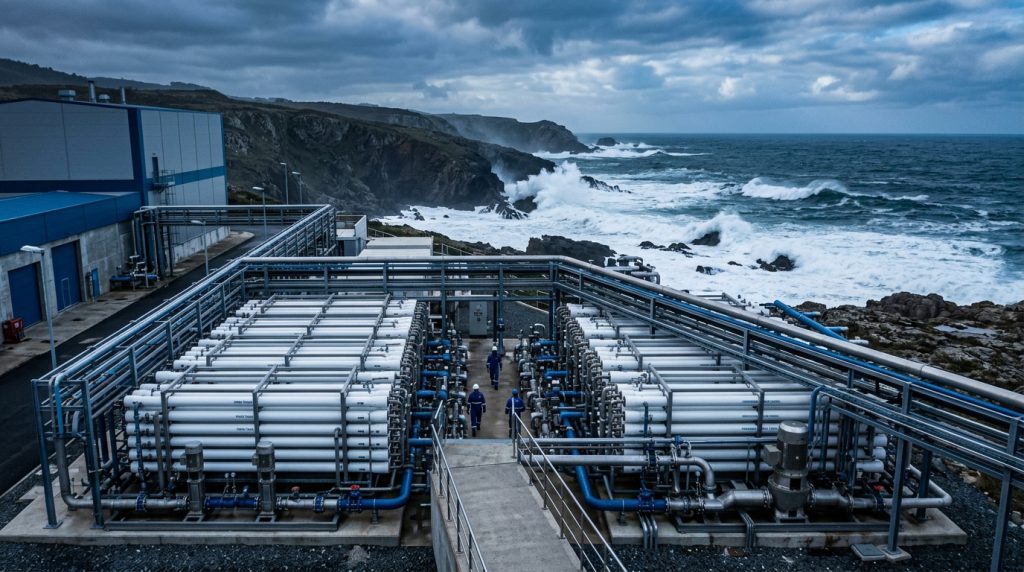
Seawater desalination has changed sharply in ten years, and modern SWRO systems with energy recovery now produce fresh water at a fraction of past costs.
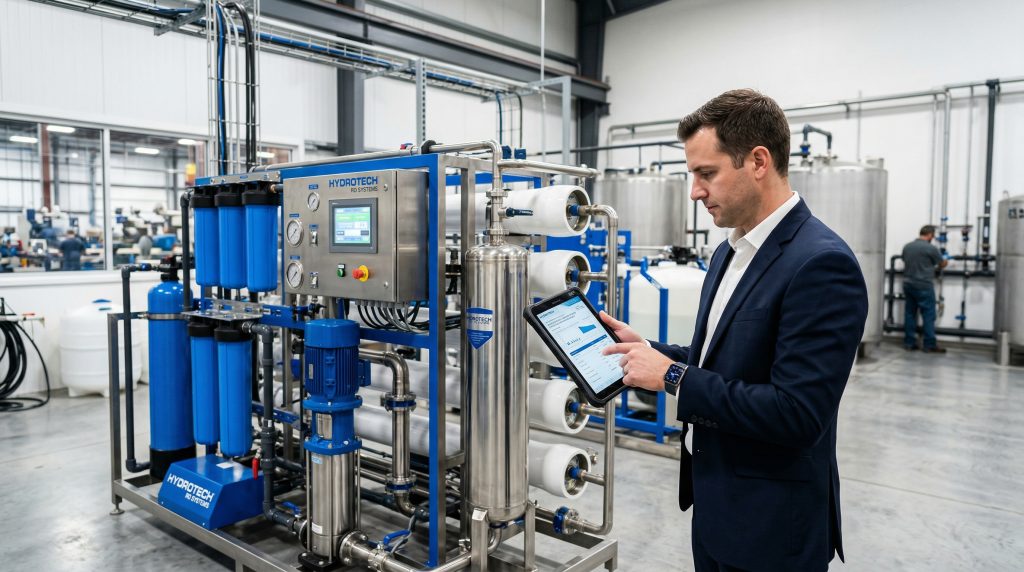
Quick Answer: A commercial reverse osmosis system costs between $2,000 and $80,000 in 2026, depending on capacity. A 500 GPD
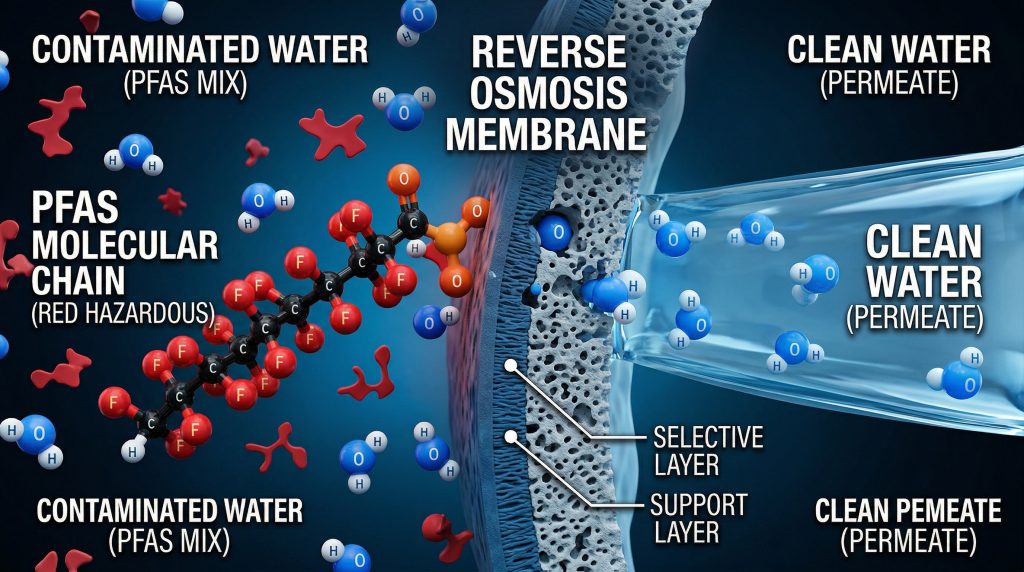
Quick Answer: Reverse osmosis removes 90-99% of PFAS (per- and polyfluoroalkyl substances) from drinking water, making it one of the
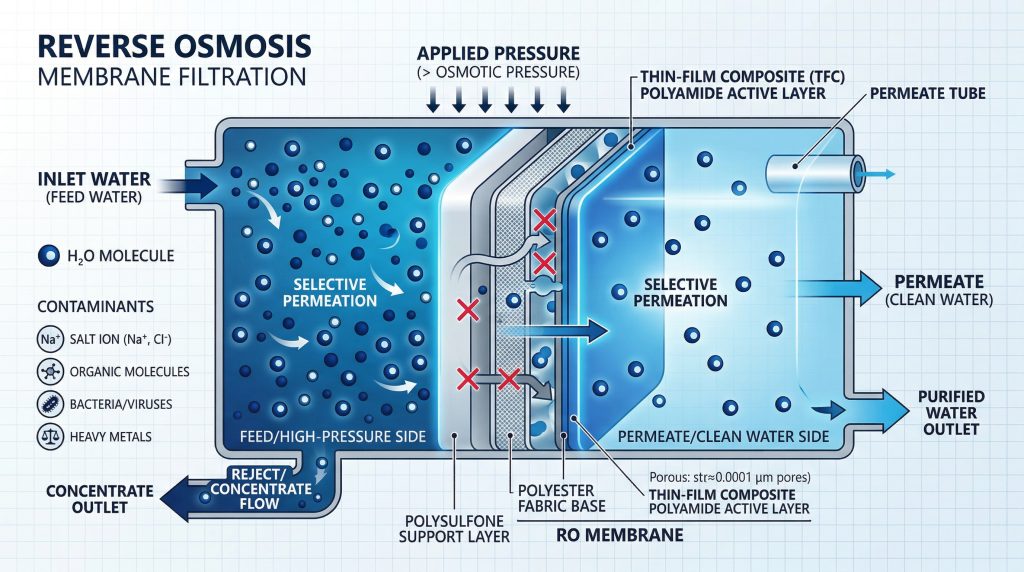
Quick Answer: Reverse osmosis (RO) is a water purification process that forces water through a semipermeable membrane with pores as
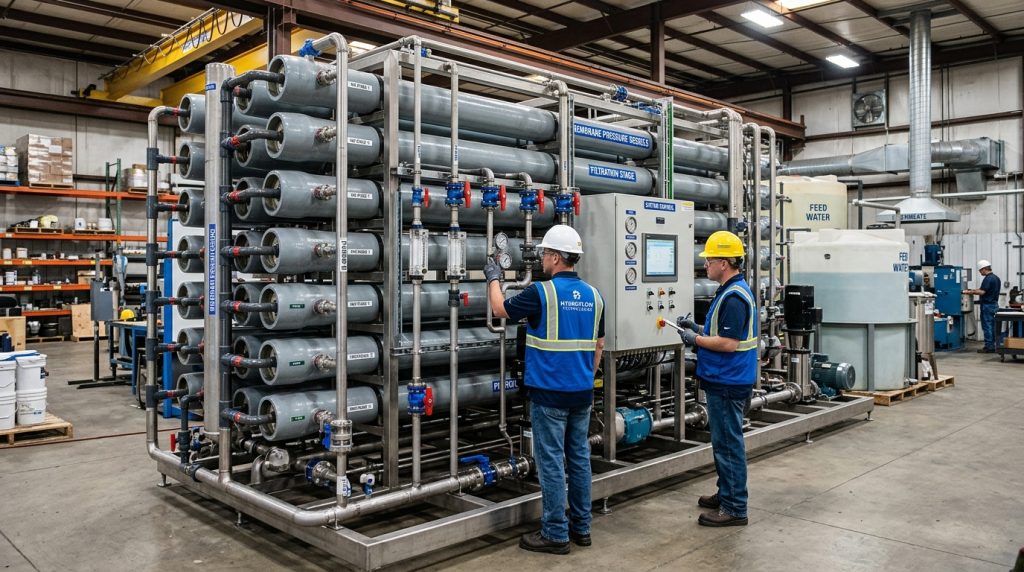
This guide covers industrial reverse osmosis design in 2026, including zero liquid discharge, energy recovery and pharmaceutical-grade water.
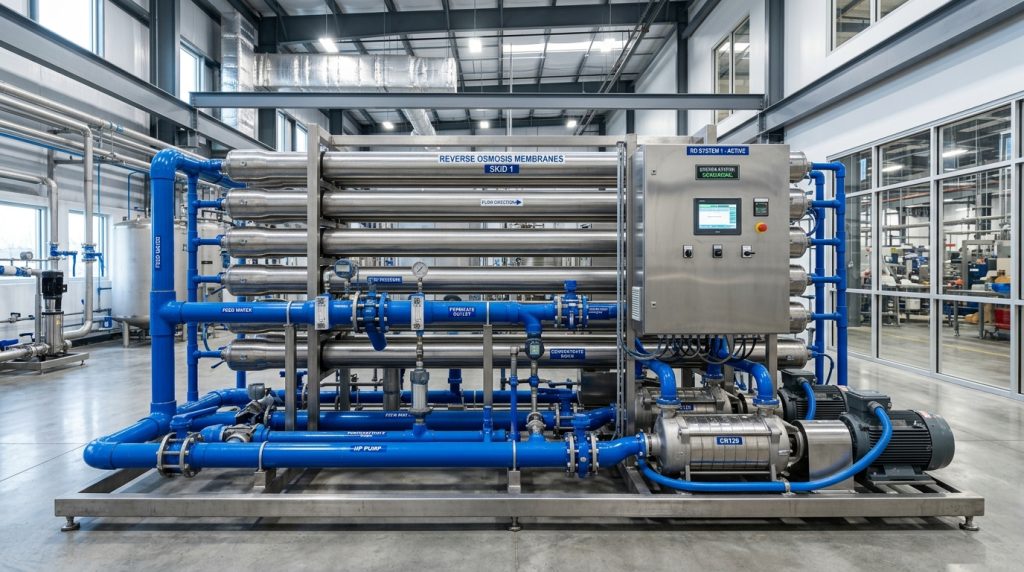
A practical method for sizing a commercial reverse osmosis system for restaurants, hotels, car washes, and light manufacturing.
Learn how commercial reverse osmosis systems work, key components, sizing guides, and applications for restaurants, hotels, hospitals, and businesses. Expert guide by AMPAC USA.
Detailed guide to industrial RO system components including membranes, high-pressure pumps, pre-treatment filters, control panels, CIP systems, and chemical dosing units.
Explore the chemical composition of seawater including major ions, trace elements, and regional differences. Essential knowledge for seawater desalination and RO system design.