

Home Products Industries Applications Solutions Support Insights Contact Us
Back to Blog
May 15, 2020·12 min read
need-for-ro-systems-in-sanitizer-manufacturing-companies-hero-1

Need for RO Systems in Sanitizer Manufacturing Companies

Quick Answer: Seawater reverse osmosis (SWRO) desalination forces seawater at 800–1200 PSI through polyamide membranes, removing 99.7%+ of dissolved salts to produce potable water. Modern systems achieve energy consumption of 2.5–4 kWh per cubic meter with pressure energy recovery devices, making SWRO the most energy-efficient large-scale desalination technology available.

The demand for sanitizers has shot up due to COVID-19. To meet it with quality, sanitizer manufacturing companies must consider commercial reverse osmosis systems that will help ensure that the products are as pure as they can be. As the future of sanitizer manufacturers is bright, they must invest in the production process wisely to make the most of this opportunity.

Since the outbreak of coronavirus pandemic, people have become more health-conscious than ever. Even the US Centers for Disease Control and Prevention has advised people to use alcohol-based (at least 60%) sanitizers to kill the deadly virus. As a result, the demand for sanitizers has multiplied many times. The demand won’t die out anytime soon as there is no vaccine for COVID-19 and the world will have to live with it for at least a couple of months.

Here are the few reasons why hand sanitizers’ demand has shot up

  • It provides waterless protection from germs.
  • Hand sanitizers help you maintain a basic hand hygiene routine.
  • It is a high-performance product with good results.
  • It is a cost-effective option.
  • Hand sanitizers are also among green and sustainable solutions.
  • It is a user-friendly product as people of all ages can use it easily.
  • Studies have proven that hand sanitizers actually work.
  • It is created by using sophisticated technologies.
  • It is a preventive healthcare tool.

Key Types of Hand Sanitizers

The key types of hand sanitizers are:

  • Sanitizers Based on Alcohol
  • Sanitizers Based on Essential Oils
  • Sanitizers Based on Triclosan
  • Alcohol Wipes

Need for Water in Sanitizer Manufacturing Companies

The WHO has suggested two formulations of hand sanitizers. One includes ethanol 96% v/v, 833.3 ml, glycerol 98%,14.5 ml, H2O2 3%, 41.7 ml and pure water. The second includes isopropyl alcohol (with a purity of 99.8%), 751.5 ml, H2O2 3%, 41.7 ml, glycerol 98%, 14.5 ml and pure water.

AMPAC USA Can Meet Water Needs of Sanitizer Manufacturing Companies Flawlessly

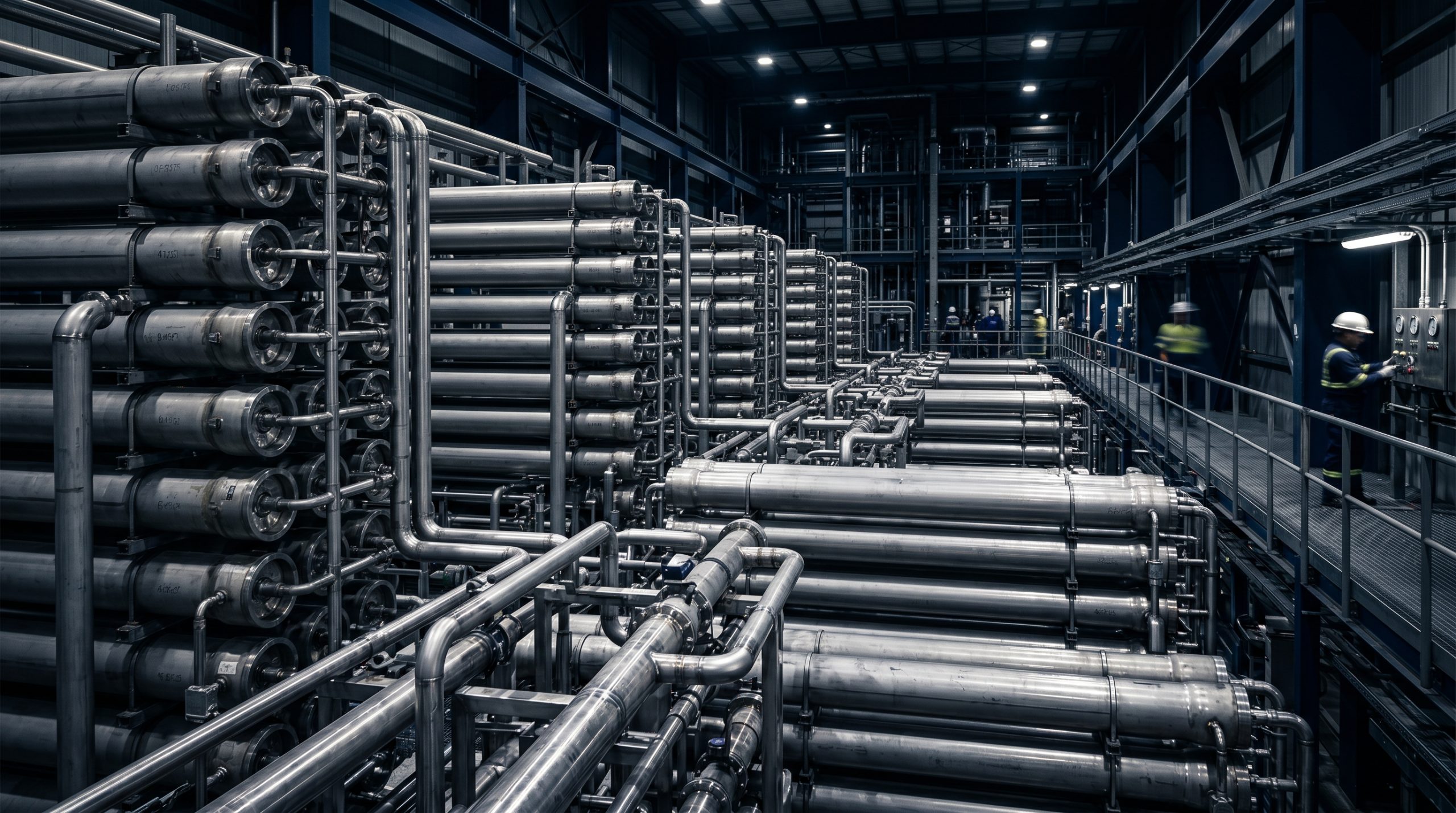
AMPAC USA offers industrial reverse osmosis solutions and commercial reverse osmosis solutions that meet the need for pure water. We can provide systems that manufacture anywhere from 1500 GPD to 10000 GPD according to the production requirements of the sanitizer manufacturing companies.

All the commercial reverse osmosis or industrial reverse osmosis products will be fully assembled, thoroughly tested and methodically sanitized. These products are easy to install, highly user friendly and are meant to work seamlessly with minimal user intervention. They just need basic utility and simple maintenance connections to last for years.

Our RO systems help enhance the efficiency of your sanitizer manufacturing plant by providing pure and contamination-free water. The advanced, high-quality design of AMPAC USA commercial reverse osmosis systems is so good that they are considered as the standard of the water purification industry. These industrial and commercial RO systems are very popular for their durability and reliability, but still, they are competitively priced and cost-effective to operate. You will get maximum value for money and ROI if you invest in these systems. To know more simply call us on 909-548-4900

Related Articles


Conclusion

Hand sanitizer only works if the water behind it doesn’t undermine the alcohol’s effectiveness, which is why WHO formulation guidance specifies purified water rather than whatever comes out of the tap. Commercial reverse osmosis systems give manufacturers that consistency at scale, removing the minerals and contaminants that municipal water treatment isn’t designed to catch. As sanitizer demand has stayed elevated well past its initial spike, manufacturers scaling production need water treatment that scales with them. Our industrial reverse osmosis systems are built for exactly that kind of continuous-production environment — contact info@ampac1.com or (909) 548-4900 to discuss your production water needs.

Seawater Reverse Osmosis: Process Engineering and Design

Seawater reverse osmosis (SWRO) has become the dominant global desalination technology, accounting for the majority of new capacity additions worldwide. The process exploits the semi-permeable properties of thin-film composite polyamide membranes to separate water molecules from dissolved salts. Standard seawater contains 30,000–45,000 mg/L TDS (total dissolved solids), primarily as sodium chloride with significant concentrations of magnesium, sulfate, calcium, and bicarbonate. Overcoming the osmotic pressure of seawater (27–30 bar) requires high-pressure pump systems operating at 55–85 bar (800–1200 PSI).

Energy consumption was historically the major limiting factor for SWRO adoption. Modern systems achieve significant energy reduction through pressure energy recovery devices (ERDs) — isobaric energy exchangers that transfer hydraulic pressure from the high-pressure concentrate stream to the incoming feed water. State-of-the-art ERDs (Pressure Exchanger™, Turbocharger) recover 90–98% of the energy in the concentrate stream, reducing net energy consumption from 8–10 kWh/m³ (older technology) to 2.5–4 kWh/m³ for modern large-scale plants. Coupling SWRO with renewable energy (solar PV, wind) is increasingly feasible at this energy intensity.

Pre-treatment is the most variable and critical aspect of SWRO system design. Coastal and offshore feed water contains algae, bacteria, suspended solids, and organic matter that can irreversibly foul SWRO membranes in hours without proper conditioning. Pre-treatment trains typically include coarse screening, dissolved air flotation (DAF) or sedimentation, dual-media or anthracite/sand filtration, cartridge filtration (5 micron), and chemical dosing (antiscalant, biocide, acid for pH control). AMPAC USA SWRO systems include comprehensive pre-treatment and automated control systems designed for remote marine, island, and coastal installation environments.

Q: What is the typical recovery rate for seawater RO systems?

A: SWRO systems typically operate at 35–50% recovery — meaning 35–50% of the seawater fed into the system becomes product water. This is significantly lower than brackish water RO (60–85%) due to the high osmotic pressure and fouling potential of seawater.

Q: How much energy does seawater desalination consume?

A: Modern SWRO systems with pressure energy recovery consume 2.5–4 kWh per cubic meter of product water. Older systems without energy recovery consumed 8–10 kWh/m³. Solar-powered SWRO systems are increasingly viable for remote locations.

Q: What are the main pre-treatment requirements for SWRO?

A: Seawater pre-treatment typically includes coarse screening, sedimentation or DAF, multi-media filtration, 5-micron cartridge filtration, antiscalant dosing, and biocide treatment. Ultrafiltration membranes are increasingly used as enhanced pre-treatment for high-turbidity feeds.

Q: How long do SWRO membranes last?

A: With proper pre-treatment and operation, SWRO membranes typically achieve 5–7 year service life in well-designed systems. Poor feed water quality, inadequate pre-treatment, or operational issues (pressure spikes, biofouling) can reduce this significantly.

Q: What happens to the concentrated brine reject from SWRO?

A: SWRO concentrate (brine) at 60,000–90,000 mg/L TDS must be carefully managed. Coastal plants typically discharge to the ocean through diffuser systems to minimize local salinity impact. Inland SWRO plants face greater challenges, often using evaporation ponds, deep-well injection, or zero-liquid discharge (ZLD) systems.

Q: Can SWRO systems operate reliably in remote locations?

A: Yes — containerized SWRO units with automated control systems and remote monitoring are designed for marine vessels, island communities, and offshore installations. AMPAC USA builds compact SWRO systems rated for continuous unmanned operation with automated chemical dosing and alarm systems.

Seawater Reverse Osmosis: Process Engineering and Design

Seawater reverse osmosis (SWRO) has become the dominant global desalination technology, accounting for the majority of new capacity additions worldwide. The process exploits the semi-permeable properties of thin-film composite polyamide membranes to separate water molecules from dissolved salts. Standard seawater contains 30,000–45,000 mg/L TDS (total dissolved solids), primarily as sodium chloride with significant concentrations of magnesium, sulfate, calcium, and bicarbonate. Overcoming the osmotic pressure of seawater (27–30 bar) requires high-pressure pump systems operating at 55–85 bar (800–1200 PSI).

Energy consumption was historically the major limiting factor for SWRO adoption. Modern systems achieve significant energy reduction through pressure energy recovery devices (ERDs) — isobaric energy exchangers that transfer hydraulic pressure from the high-pressure concentrate stream to the incoming feed water. State-of-the-art ERDs (Pressure Exchanger™, Turbocharger) recover 90–98% of the energy in the concentrate stream, reducing net energy consumption from 8–10 kWh/m³ (older technology) to 2.5–4 kWh/m³ for modern large-scale plants. Coupling SWRO with renewable energy (solar PV, wind) is increasingly feasible at this energy intensity.

Pre-treatment is the most variable and critical aspect of SWRO system design. Coastal and offshore feed water contains algae, bacteria, suspended solids, and organic matter that can irreversibly foul SWRO membranes in hours without proper conditioning. Pre-treatment trains typically include coarse screening, dissolved air flotation (DAF) or sedimentation, dual-media or anthracite/sand filtration, cartridge filtration (5 micron), and chemical dosing (antiscalant, biocide, acid for pH control). AMPAC USA SWRO systems include comprehensive pre-treatment and automated control systems designed for remote marine, island, and coastal installation environments.

Q: What is the typical recovery rate for seawater RO systems?

A: SWRO systems typically operate at 35–50% recovery — meaning 35–50% of the seawater fed into the system becomes product water. This is significantly lower than brackish water RO (60–85%) due to the high osmotic pressure and fouling potential of seawater.

Q: How much energy does seawater desalination consume?

A: Modern SWRO systems with pressure energy recovery consume 2.5–4 kWh per cubic meter of product water. Older systems without energy recovery consumed 8–10 kWh/m³. Solar-powered SWRO systems are increasingly viable for remote locations.

Q: What are the main pre-treatment requirements for SWRO?

A: Seawater pre-treatment typically includes coarse screening, sedimentation or DAF, multi-media filtration, 5-micron cartridge filtration, antiscalant dosing, and biocide treatment. Ultrafiltration membranes are increasingly used as enhanced pre-treatment for high-turbidity feeds.

Q: How long do SWRO membranes last?

A: With proper pre-treatment and operation, SWRO membranes typically achieve 5–7 year service life in well-designed systems. Poor feed water quality, inadequate pre-treatment, or operational issues (pressure spikes, biofouling) can reduce this significantly.

Q: What happens to the concentrated brine reject from SWRO?

A: SWRO concentrate (brine) at 60,000–90,000 mg/L TDS must be carefully managed. Coastal plants typically discharge to the ocean through diffuser systems to minimize local salinity impact. Inland SWRO plants face greater challenges, often using evaporation ponds, deep-well injection, or zero-liquid discharge (ZLD) systems.

Q: Can SWRO systems operate reliably in remote locations?

A: Yes — containerized SWRO units with automated control systems and remote monitoring are designed for marine vessels, island communities, and offshore installations. AMPAC USA builds compact SWRO systems rated for continuous unmanned operation with automated chemical dosing and alarm systems.

Seawater Reverse Osmosis: Process Engineering and Design

Seawater reverse osmosis (SWRO) has become the dominant global desalination technology, accounting for the majority of new capacity additions worldwide. The process exploits the semi-permeable properties of thin-film composite polyamide membranes to separate water molecules from dissolved salts. Standard seawater contains 30,000–45,000 mg/L TDS (total dissolved solids), primarily as sodium chloride with significant concentrations of magnesium, sulfate, calcium, and bicarbonate. Overcoming the osmotic pressure of seawater (27–30 bar) requires high-pressure pump systems operating at 55–85 bar (800–1200 PSI).

Energy consumption was historically the major limiting factor for SWRO adoption. Modern systems achieve significant energy reduction through pressure energy recovery devices (ERDs) — isobaric energy exchangers that transfer hydraulic pressure from the high-pressure concentrate stream to the incoming feed water. State-of-the-art ERDs (Pressure Exchanger™, Turbocharger) recover 90–98% of the energy in the concentrate stream, reducing net energy consumption from 8–10 kWh/m³ (older technology) to 2.5–4 kWh/m³ for modern large-scale plants. Coupling SWRO with renewable energy (solar PV, wind) is increasingly feasible at this energy intensity.

Pre-treatment is the most variable and critical aspect of SWRO system design. Coastal and offshore feed water contains algae, bacteria, suspended solids, and organic matter that can irreversibly foul SWRO membranes in hours without proper conditioning. Pre-treatment trains typically include coarse screening, dissolved air flotation (DAF) or sedimentation, dual-media or anthracite/sand filtration, cartridge filtration (5 micron), and chemical dosing (antiscalant, biocide, acid for pH control). AMPAC USA SWRO systems include comprehensive pre-treatment and automated control systems designed for remote marine, island, and coastal installation environments.

Frequently Asked Questions

Why is reverse osmosis (RO) water crucial for hand sanitizer manufacturing?

RO water is crucial for hand sanitizer manufacturing to ensure product purity and efficacy, especially given the increased demand and health consciousness. It removes dissolved salts and impurities, preventing contamination and ensuring the final product meets stringent quality standards, including those advised by the WHO for effective sanitizers.

What are the water purity requirements for hand sanitizer formulations recommended by the WHO?

The WHO’s hand sanitizer formulations explicitly require ‘pure water’ as a key ingredient. This pure water is combined with specific concentrations of ethanol (96% v/v) or isopropyl alcohol (99.8%), glycerol (98%), and hydrogen peroxide (3%) to create effective sanitizing solutions. Achieving this purity prevents product degradation and ensures germ-killing efficacy.

How does a commercial reverse osmosis system benefit sanitizer manufacturers?

A commercial reverse osmosis system benefits sanitizer manufacturers by consistently providing the high-purity water essential for their products. This ensures the sanitizers are free from contaminants that could compromise their effectiveness or shelf-life, allowing companies to meet increased demand with a quality product. AMPAC USA offers industrial and commercial RO solutions tailored to these specific needs.

Can AMPAC USA provide RO systems for large-scale sanitizer production?

Yes, AMPAC USA specializes in designing and manufacturing industrial and commercial reverse osmosis solutions capable of meeting the pure water demands of large-scale sanitizer production. With over 30 years of experience, our engineers provide robust systems that ensure the consistent quality and volume of water required for high-volume manufacturing.

What types of impurities does reverse osmosis remove from water for sanitizer production?

Reverse osmosis systems effectively remove 99.7%+ of dissolved salts, minerals, heavy metals, and other impurities from water. This purification process is critical for sanitizer production to prevent unwanted reactions, maintain product stability, and ensure the active ingredients function optimally without interference from waterborne contaminants.

Scroll to Top