
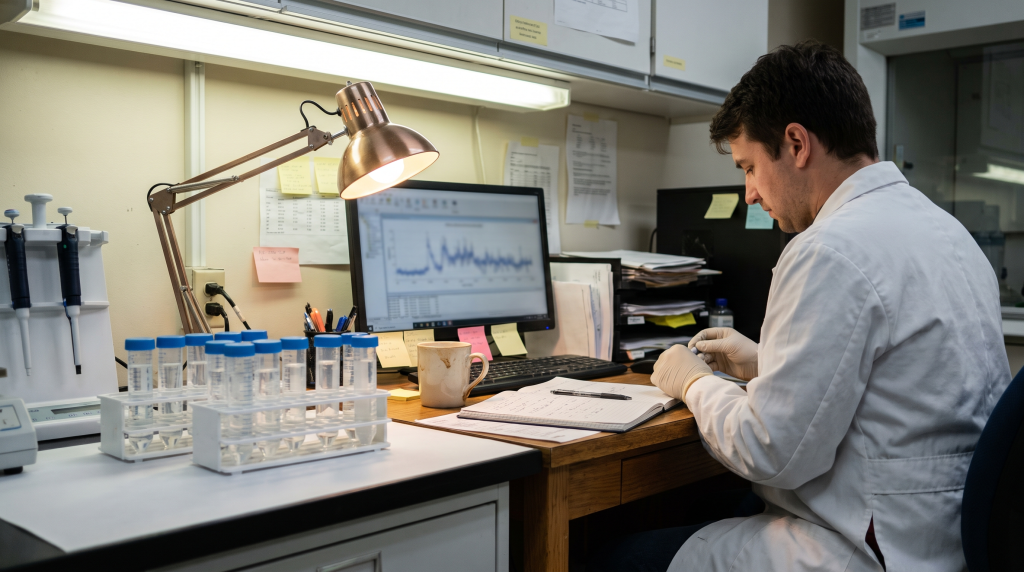
Can Viruses Survive Water Treatment? What Detection Science Reveals About the Gaps
Modern qPCR detection shows some viruses survive standard disinfection. Heres the real outbreak data and why layering chlorine, UV, and membrane treatment matters.

Expert insights on water treatment, reverse osmosis, and purification systems
Modern qPCR detection shows some viruses survive standard disinfection. Heres the real outbreak data and why layering chlorine, UV, and membrane treatment matters.
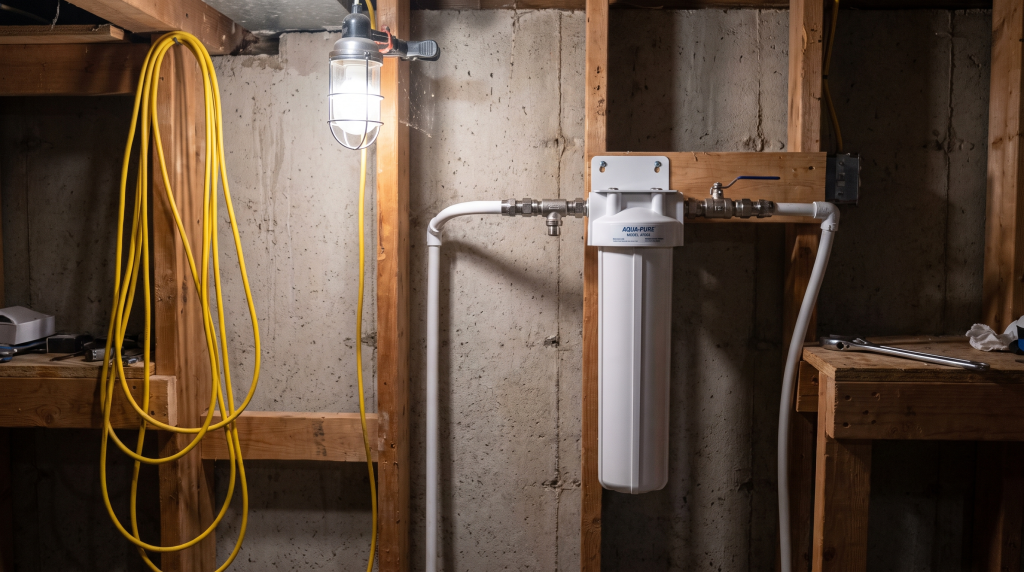
Private wells arent covered by EPA lead rules, and most owners never test. Heres what actually puts lead in well water and how point-of-entry filtration removes it.
Chlorination protects US tap water from pathogens but also creates disinfection byproducts linked to cancer risk. Here’s what’s regulated, what isn’t, and how RO and carbon filtration cut exposure.
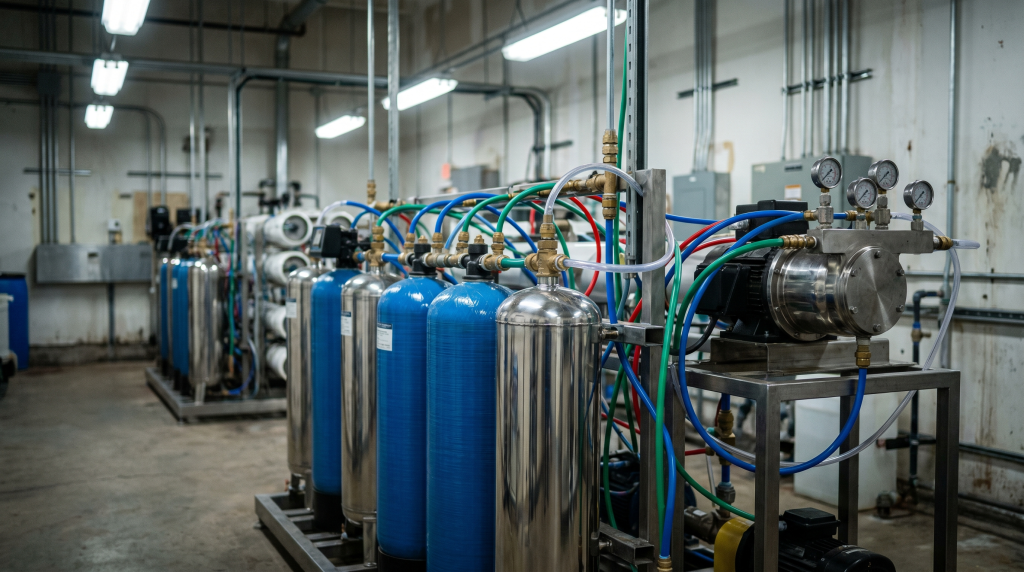
Quick Answer: RO water quality is measured by four parameters: TDS (total dissolved solids, target <50 ppm for most commercial
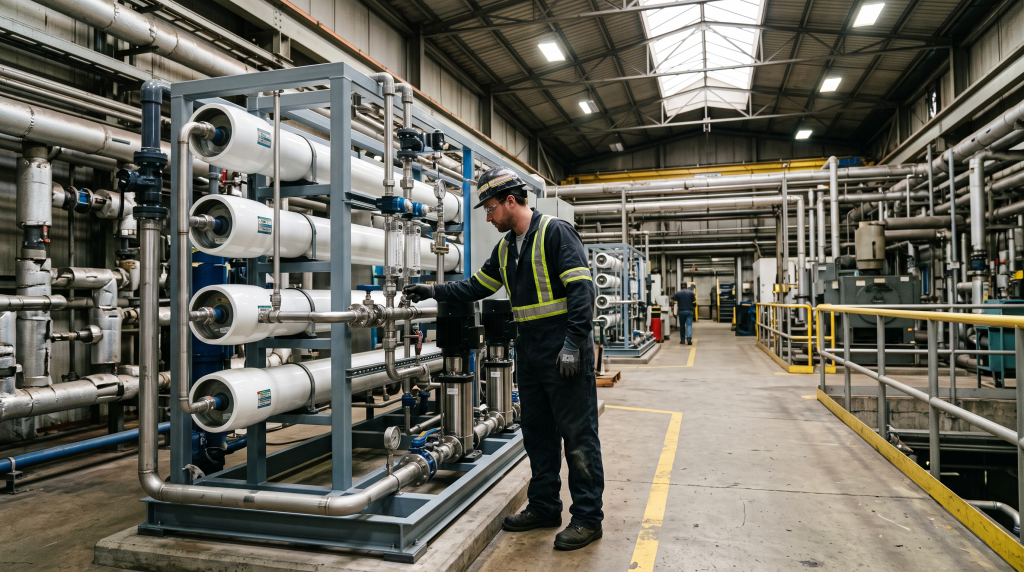
Forward osmosis uses a draw solution’s osmotic pressure to pull water through a membrane, not hydraulic force. Here’s how FO actually works, how it differs from RO, and where it fits commercially.
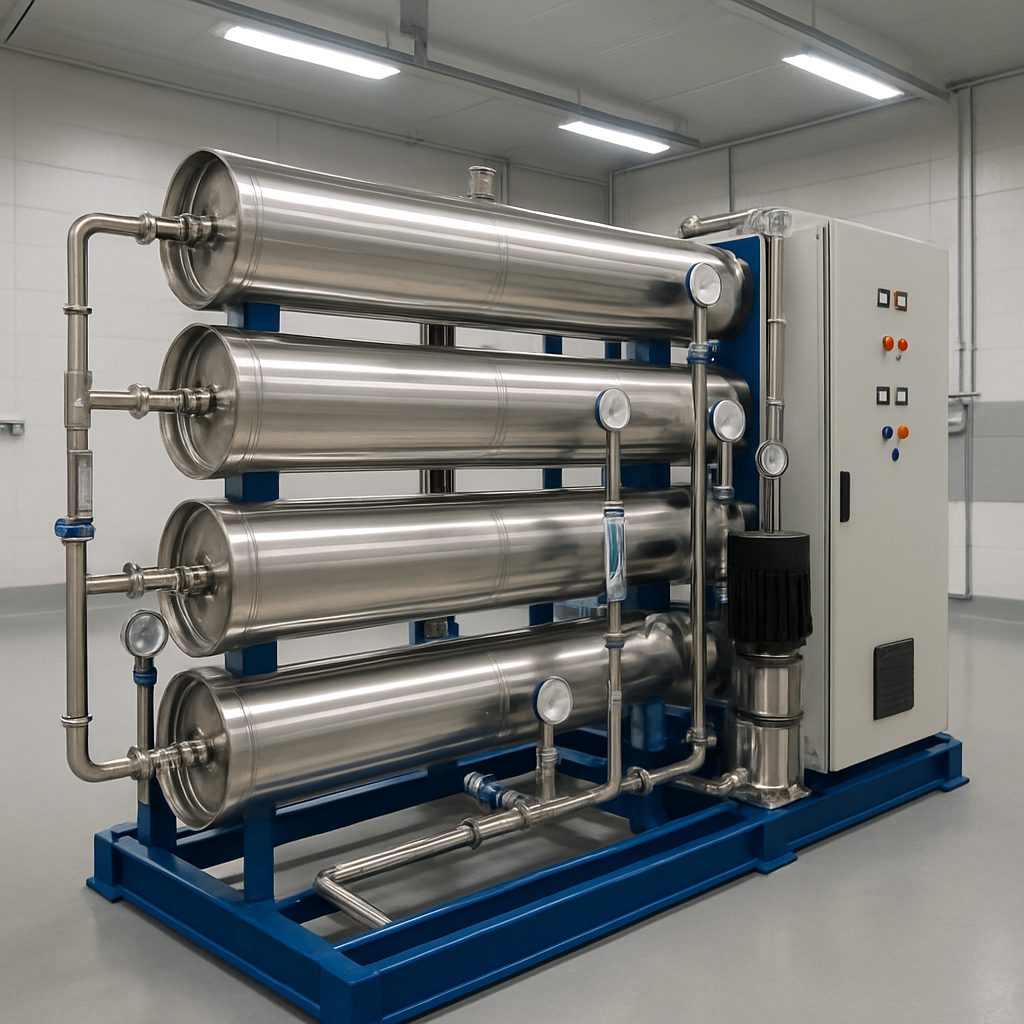
Discover how a reverse osmosis water filter for microplastics enhances industrial water treatment. Contact us to optimize your operation today.
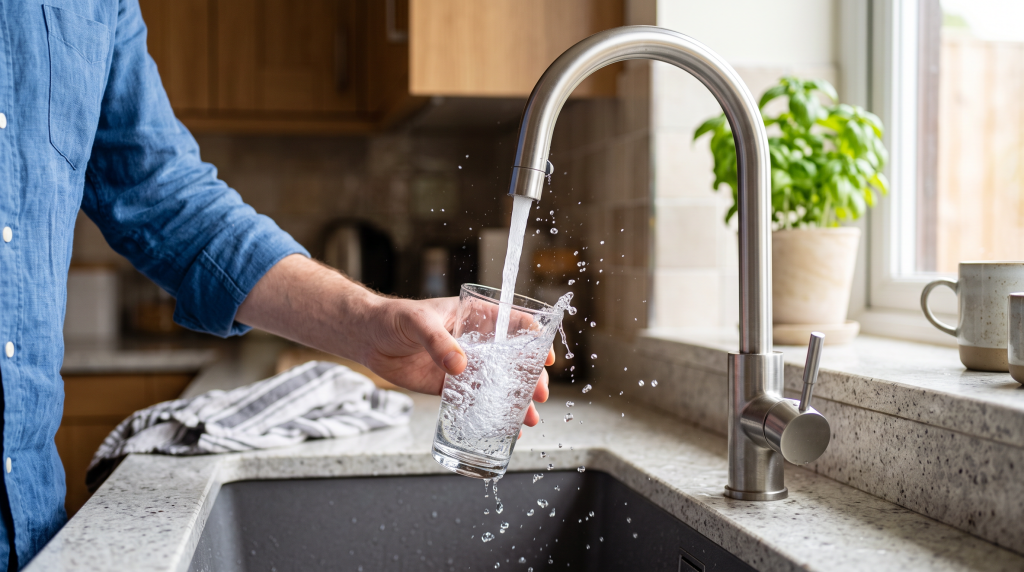
National surveys have found lead, arsenic, and chromium-6 in tap water across all 50 states. Heres what the data shows and how RO technology removes it at home.
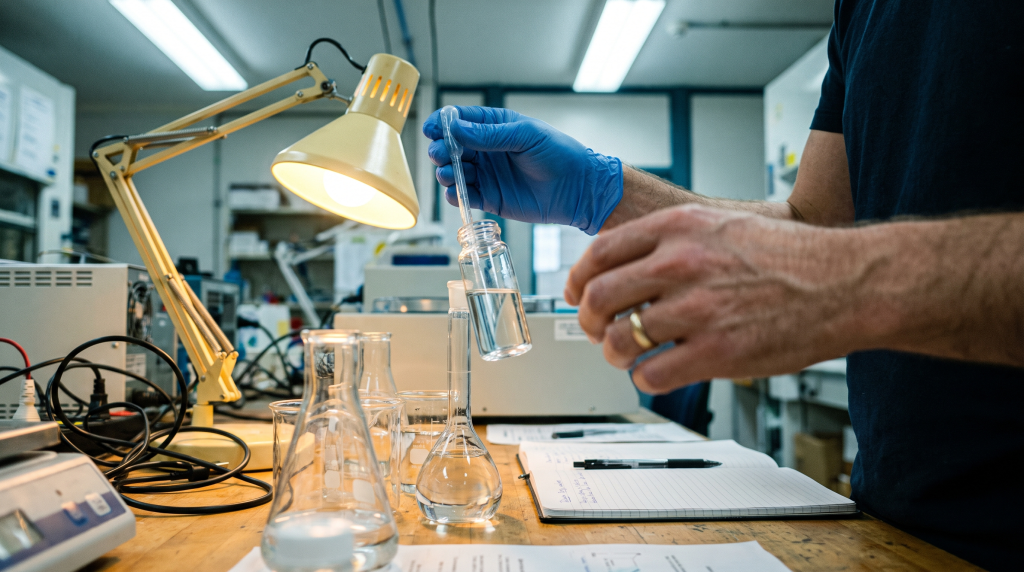
Organophosphate ester flame retardants show up in most tap water tested worldwide. Here’s what the research says about health risk, and why conventional treatment struggles to remove them.
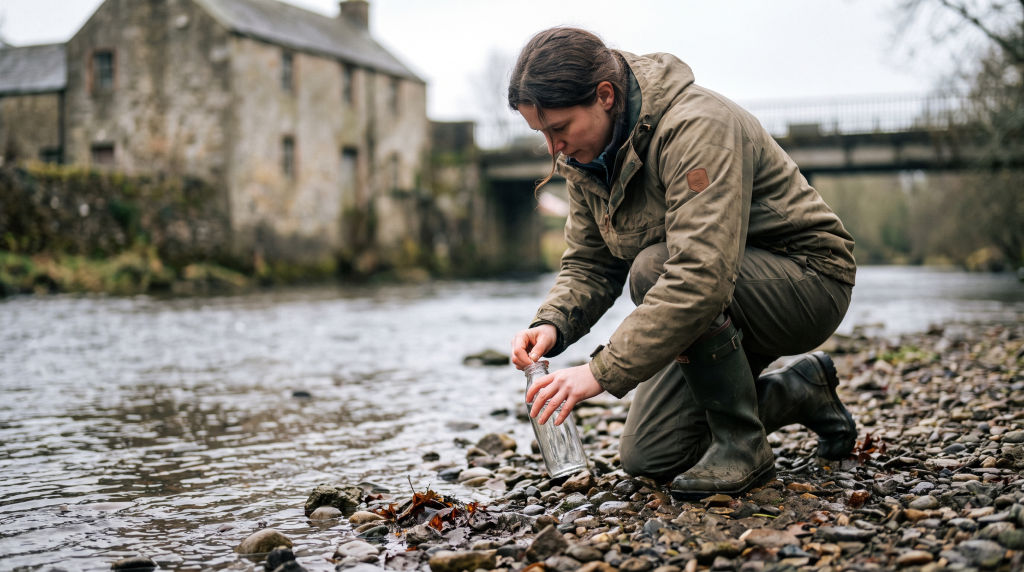
European monitoring programs are tracking antibiotics and pharmaceuticals in rivers at rising concentrations. Here’s what the data shows and how RO and activated carbon treatment remove them.
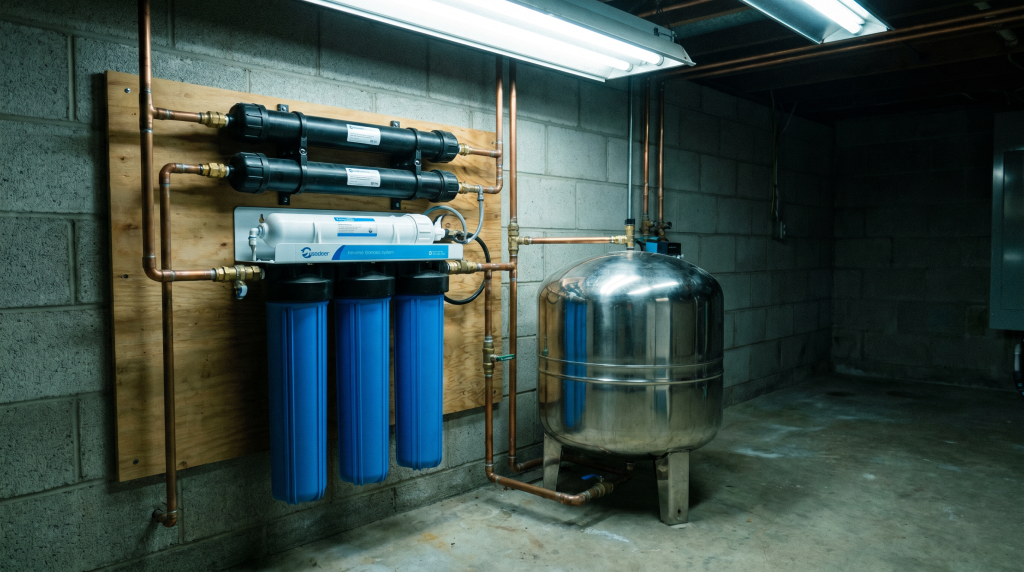
Discover our whole house reverse osmosis system designed for commercial and industrial use. Improve water quality and efficiency – contact us today!