
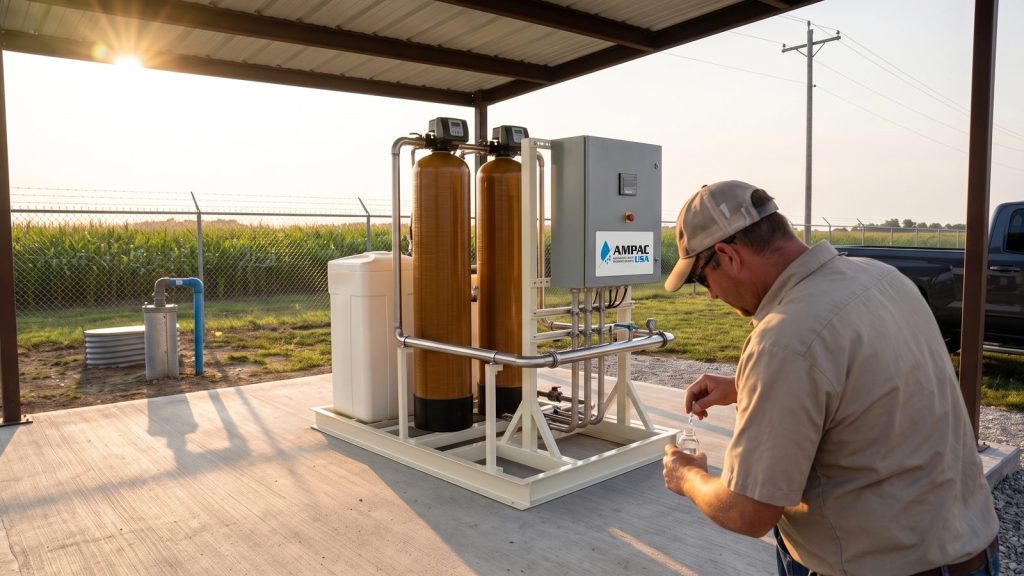
Nitrate: The Contaminant 60 Million Americans Are Missing
In short: Federal data released in April 2026 found that 6,114 U.S. water systems serving roughly 62.1 million people had

Expert insights on water treatment, reverse osmosis, and purification systems
In short: Federal data released in April 2026 found that 6,114 U.S. water systems serving roughly 62.1 million people had
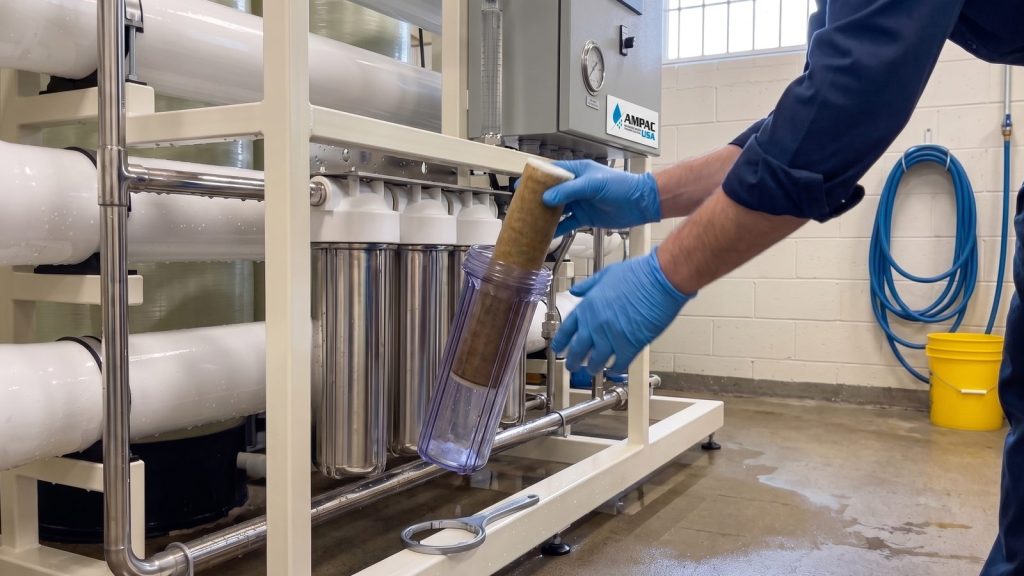
Quick Answer: Most RO system failures trace to one of four root causes: fouled membranes, inadequate feed pressure, worn pre-filtration,
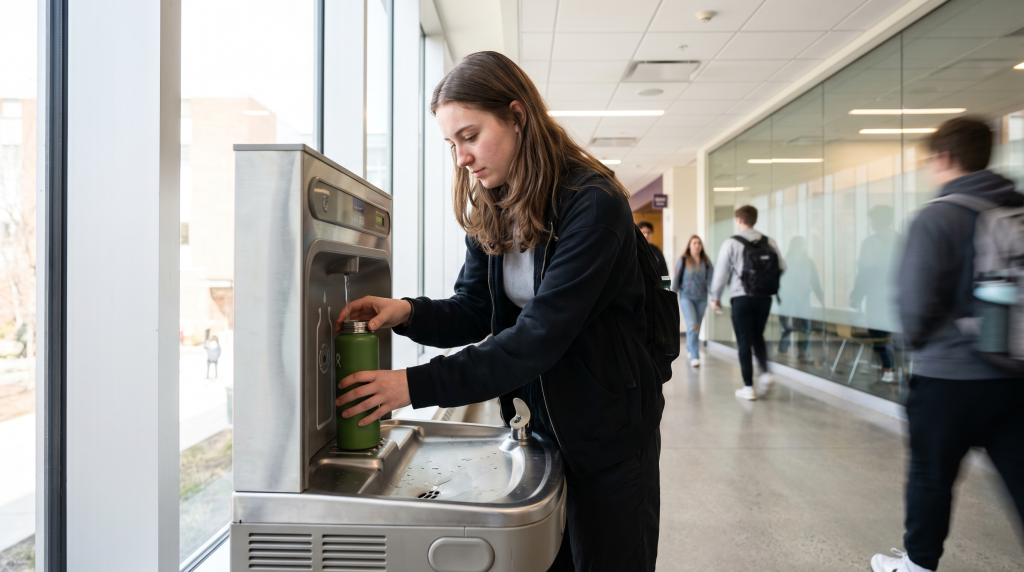
Bottled water costs more, wastes more, and raises more questions than ever. Heres why colleges and communities are switching to purified water filling stations instead.
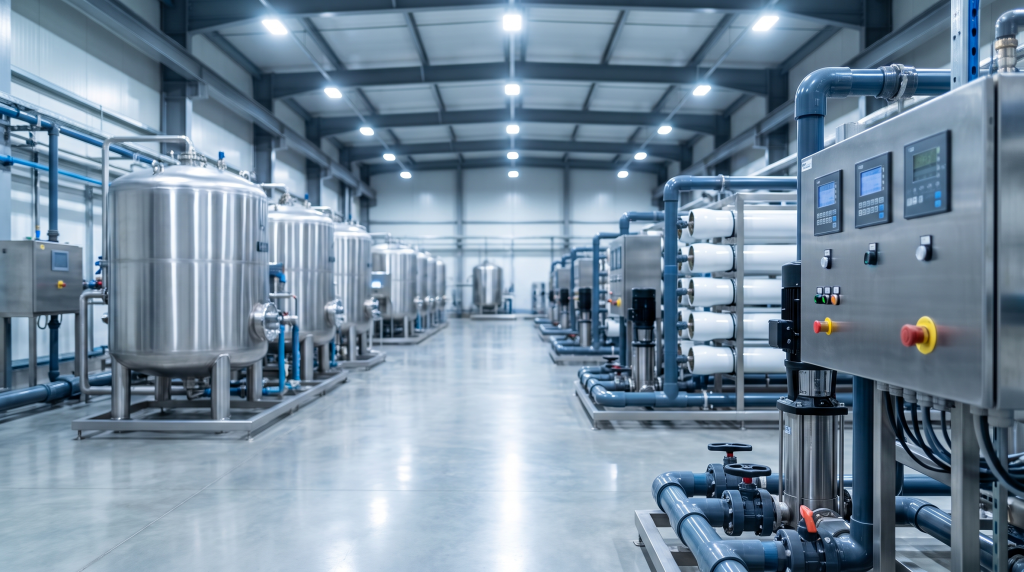
Every factory floor, chip fab, and data center runs on two things people rarely think about together: electricity and water.
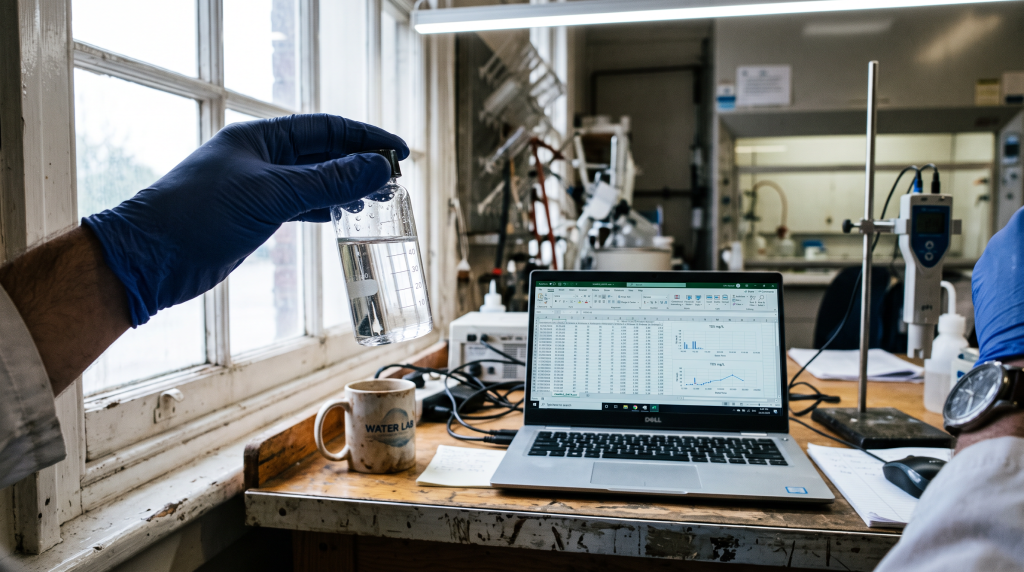
PFAS and endocrine-disrupting chemicals show up in most US tap water. Heres what the science says about health risks, EPAs 2024 limits, and which treatment methods actually remove them.
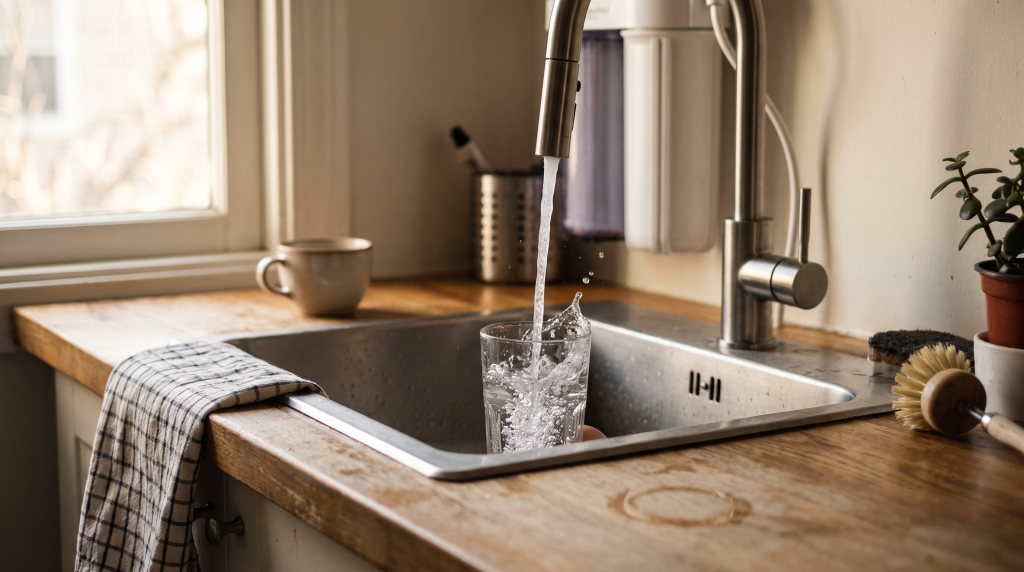
Tap water can carry bacteria, protozoa, and viruses that survive standard chlorination. Heres what CDC and EPA data show, and how UV disinfection plus RO/UF stops them.
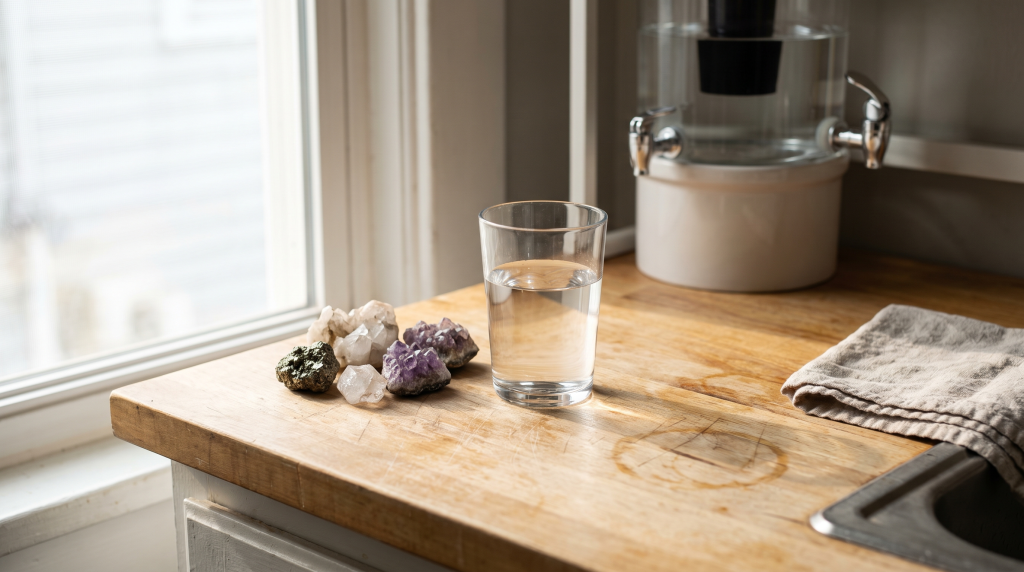
Does reverse osmosis water remove essential minerals your body needs? Heres what WHO research says about demineralized water, and how remineralization filters solve it.
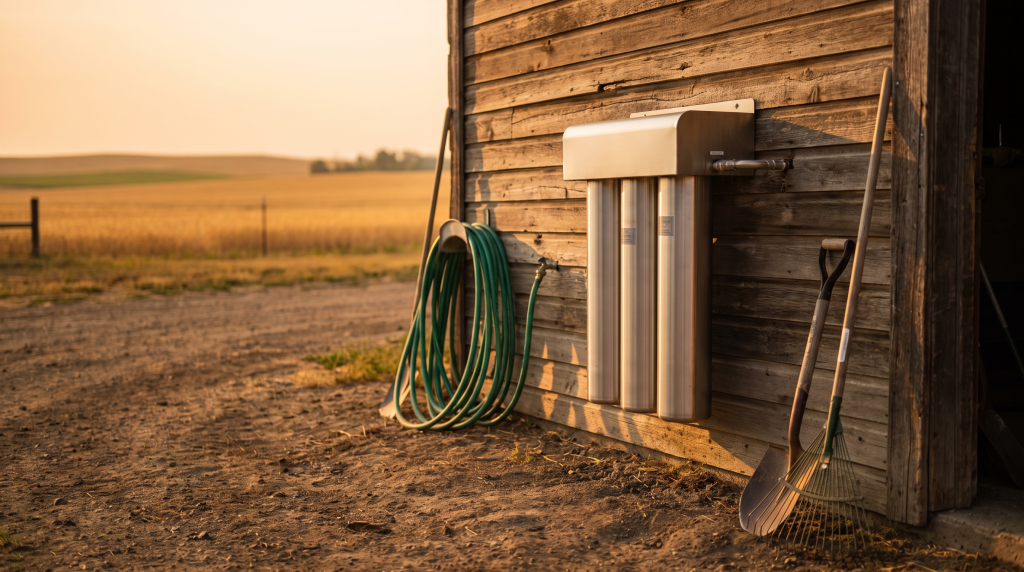
Nitrate contaminates millions of private wells across agricultural regions, and wells arent EPA-regulated. Heres what the health data shows and how RO and ion exchange remove it.
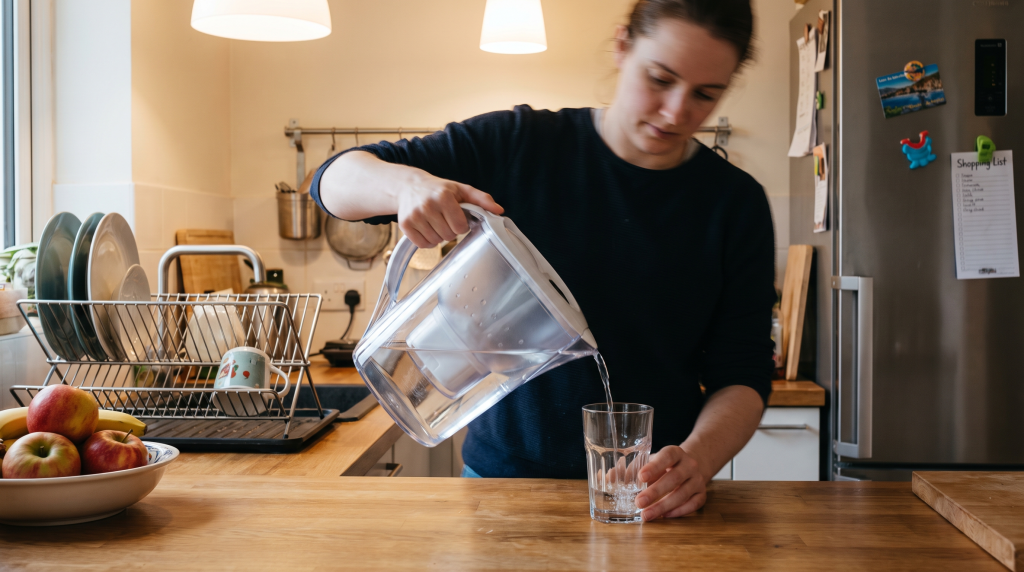
Only 1 in 5 Americans fully trusts their tap water, yet millions still drink it unfiltered or replace it with sugary drinks. Heres the real data on cost, access, and what actually works.
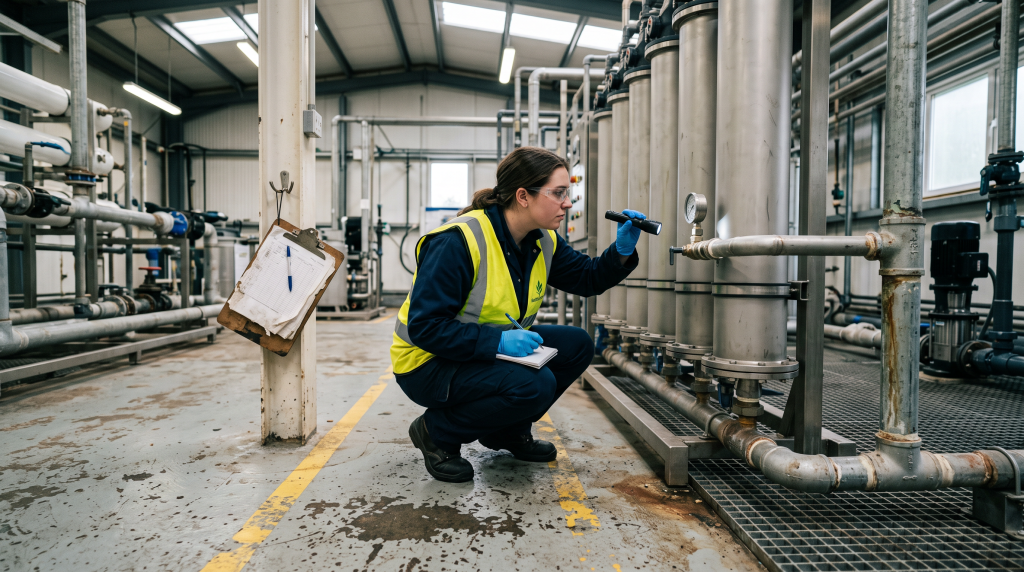
RO and UF membranes physically block viruses by size; chlorine and UV inactivate them chemically. Heres how each method performs, and why treatment plants use both.