
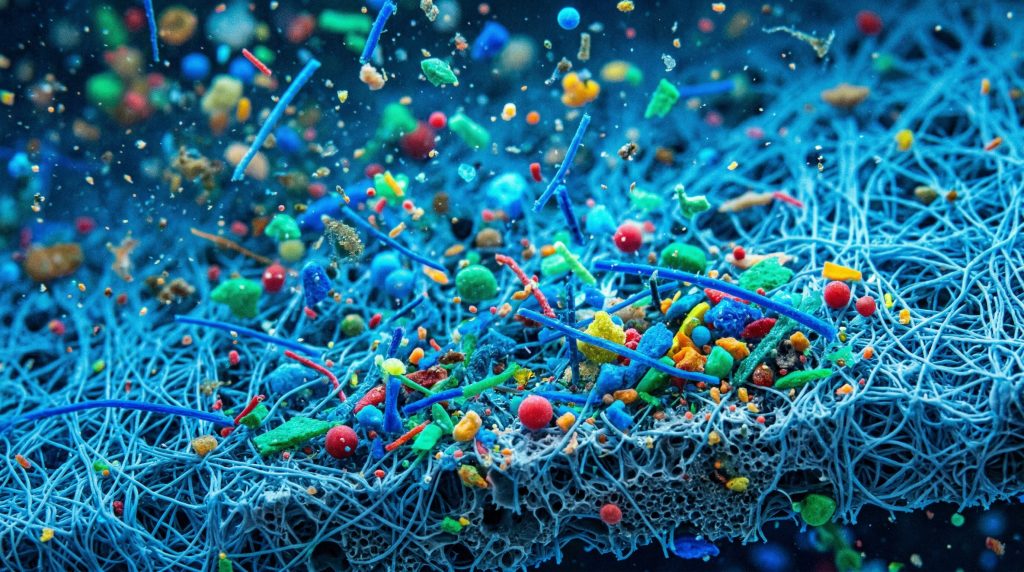
Microplastics in Drinking Water: Can Reverse Osmosis Remove Them? [2026 Research]
Quick Answer: Yes, reverse osmosis removes more than 99.9% of microplastics from drinking water. RO membrane pores (0.0001 microns) are

Expert insights on water treatment, reverse osmosis, and purification systems
Quick Answer: Yes, reverse osmosis removes more than 99.9% of microplastics from drinking water. RO membrane pores (0.0001 microns) are

Seawater desalination has changed sharply in ten years, and modern SWRO systems with energy recovery now produce fresh water at a fraction of past costs.

Quick Answer: A commercial reverse osmosis system costs between $2,000 and $80,000 in 2026, depending on capacity. A 500 GPD

Nitrates are one of the most common groundwater contaminants in the United States, particularly in agricultural regions where nitrogen fertilizers
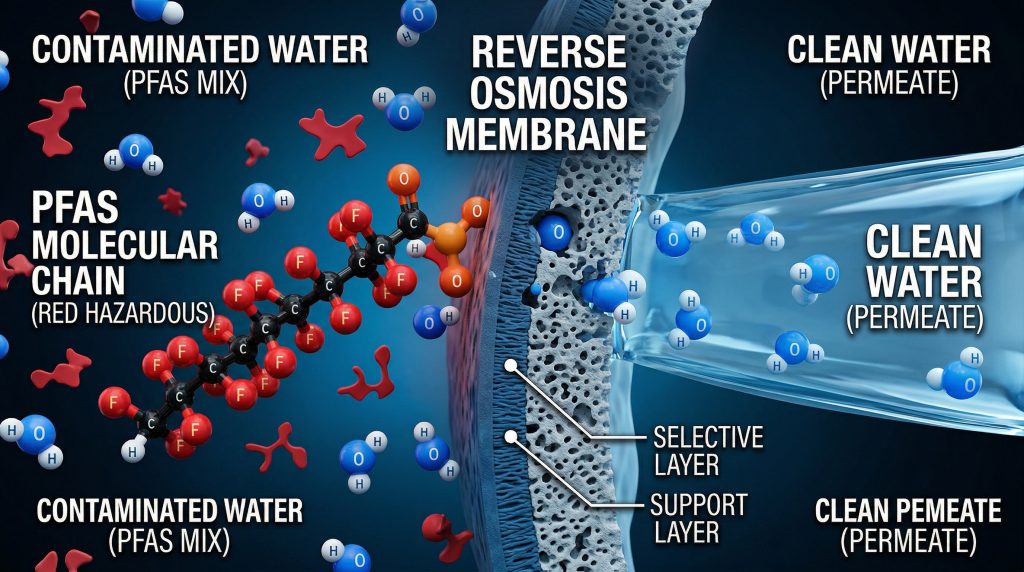
Quick Answer: Reverse osmosis removes 90-99% of PFAS (per- and polyfluoroalkyl substances) from drinking water, making it one of the
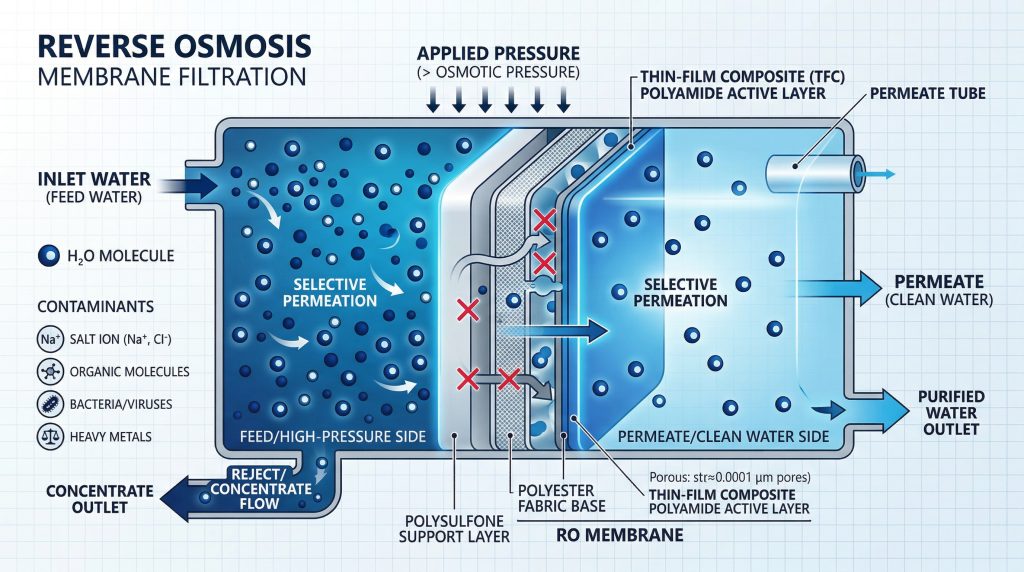
Quick Answer: Reverse osmosis (RO) is a water purification process that forces water through a semipermeable membrane with pores as

This guide covers industrial reverse osmosis design in 2026, including zero liquid discharge, energy recovery and pharmaceutical-grade water.
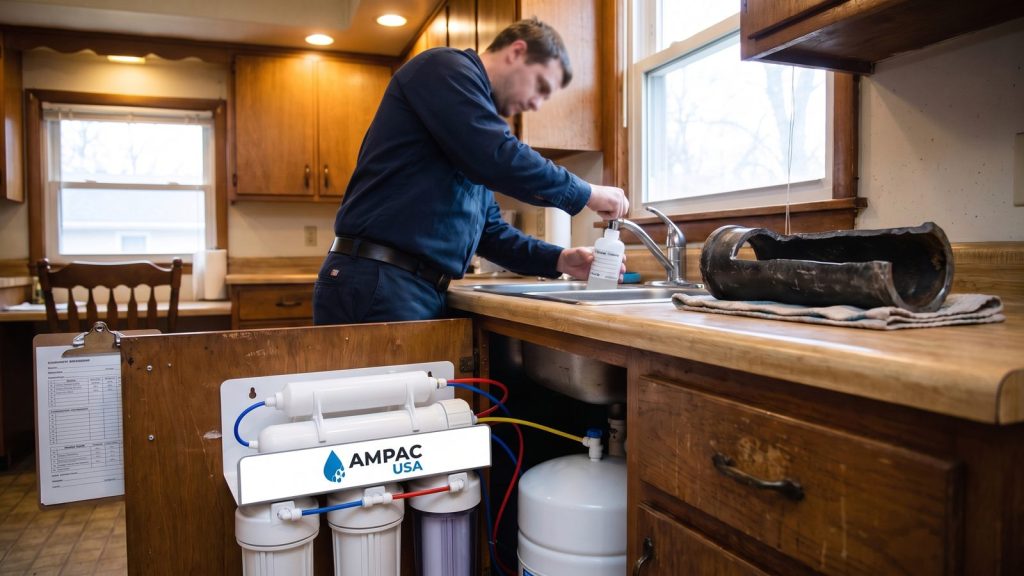
Lead doesn’t belong in drinking water at any concentration. The EPA’s current action level is 15 parts per billion (ppb),

A practical method for sizing a commercial reverse osmosis system for restaurants, hotels, car washes, and light manufacturing.
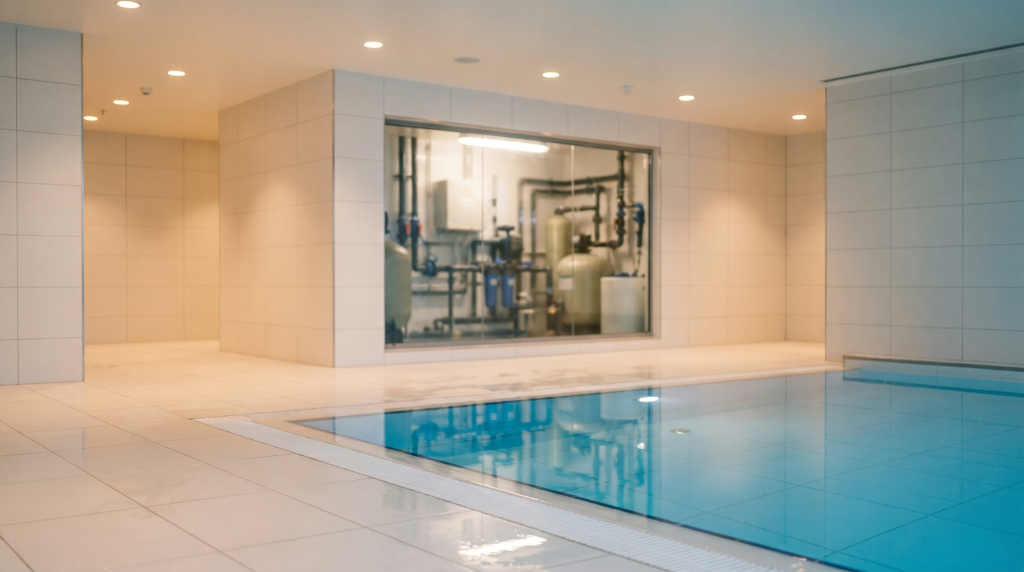
Water quality affects nearly every aspect of a hotel operation – guest satisfaction, equipment maintenance costs, laundry costs, food and