
A Novel Method to Characterise Levels of Pharmaceutical Pollution in Large-Scale Aquatic Monitoring Campaigns
Much of the current understanding of pharmaceutical pollution in the aquatic environment is based on research conducted in Europe.

Expert insights on water treatment, reverse osmosis, and purification systems
Much of the current understanding of pharmaceutical pollution in the aquatic environment is based on research conducted in Europe.
Perfluoroalkyl and plasma polyfluoroalkyl substances (PFAS) are a group of synthetic chemicals that are widely used in industrial & consumer products.

This paper describes and comments on contemporary legislation concerning prevention of epidemics caused by contaminated drinking water.
North Carolina has the second highest number of residents who rely on private wells for their drinking water supply.
The goals of this study were to investigate the quality of drinking water from unregulated private wells.
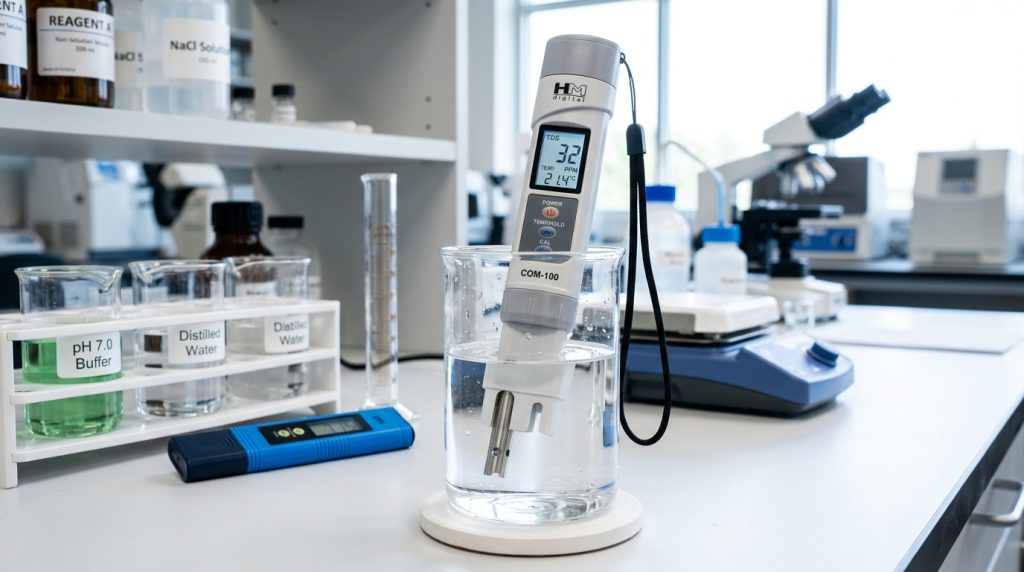
This study presents the influence of the storage recipients’ material and of the use and the type of stirring on the drinking water quality.

Non-tuberculous mycobacteria are common in many water environments. This review covers their prevalence in drinking water systems and the means to control them.
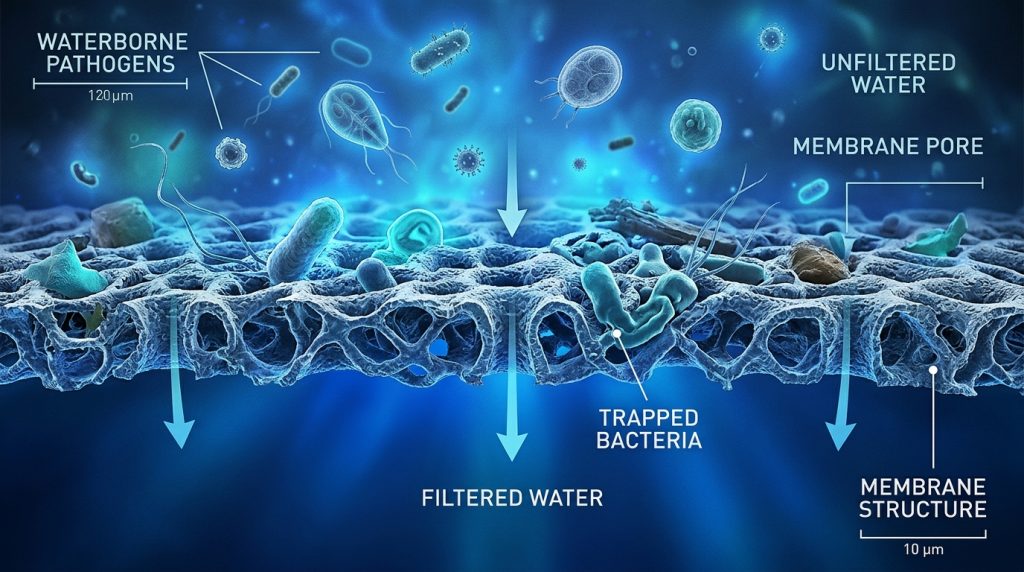
In this context, natural and synthetic compounds can be an alternative to water disinfection.
Dutch law requires drinking water suppliers to run a Quantitative Microbial Risk Assessment. This study applies QMRA to adenovirus at a plant using UV and chlorine dioxide.
Pharmaceuticals are found in aquatic environments worldwide. This study models global trends in aquatic risk from carbamazepine and ciprofloxacin.