

Migration and potential risk of trace phthalates in bottled water: A global situation
Increasing attention has been dedicated to trace phthalates in bottled water due to the serious concerns on public health.

Expert insights on water treatment, reverse osmosis, and purification systems
Increasing attention has been dedicated to trace phthalates in bottled water due to the serious concerns on public health.
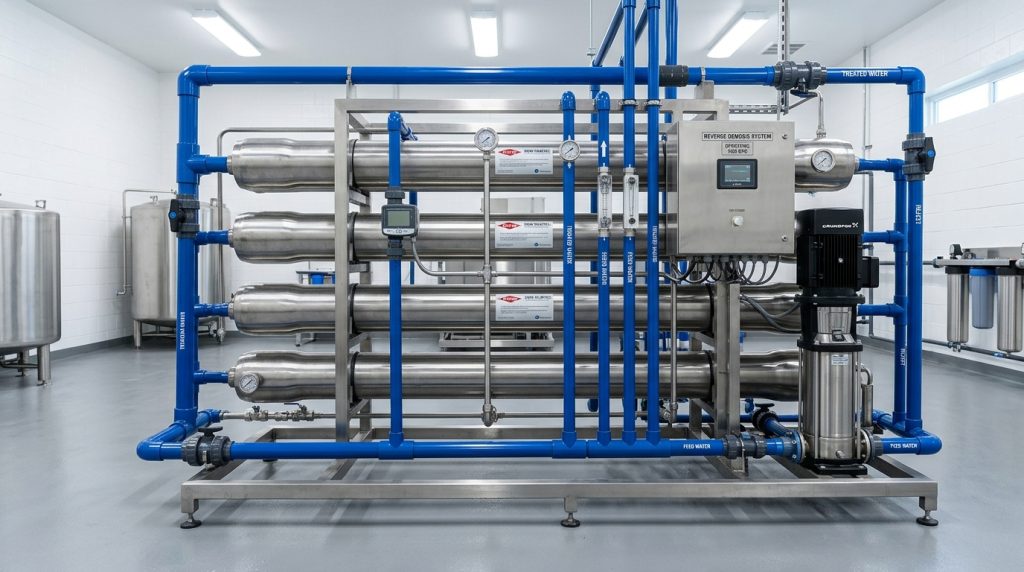
Perfluoroalkyl acids (PFAAs) are a group of emerging persistent organic pollutants (POPs), which have been ubiquitously detected in the environmental media.
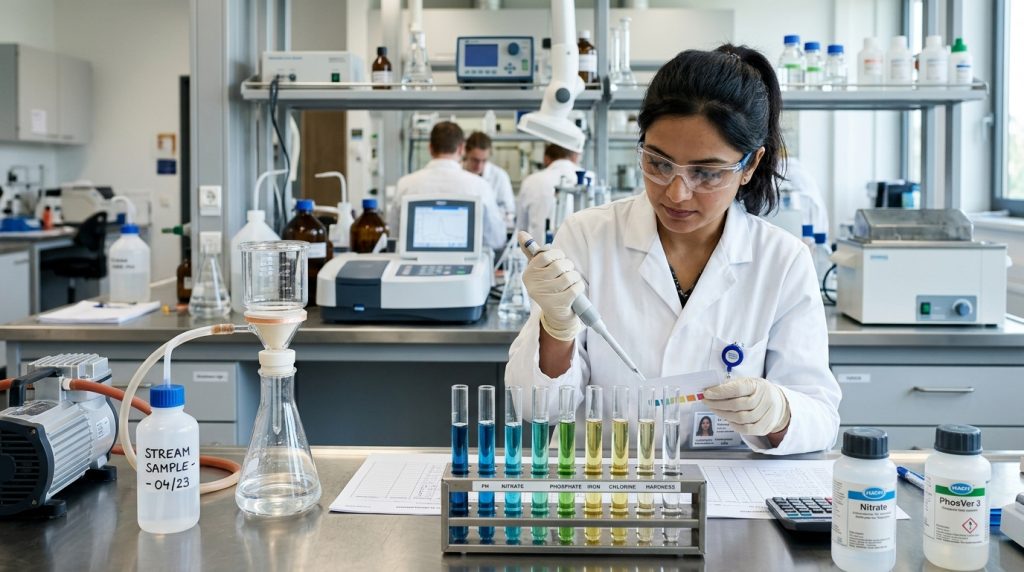
There are growing concerns about nitrate contamination in Kumamoto City, where more than 700,000 people depend entirely on groundwater.
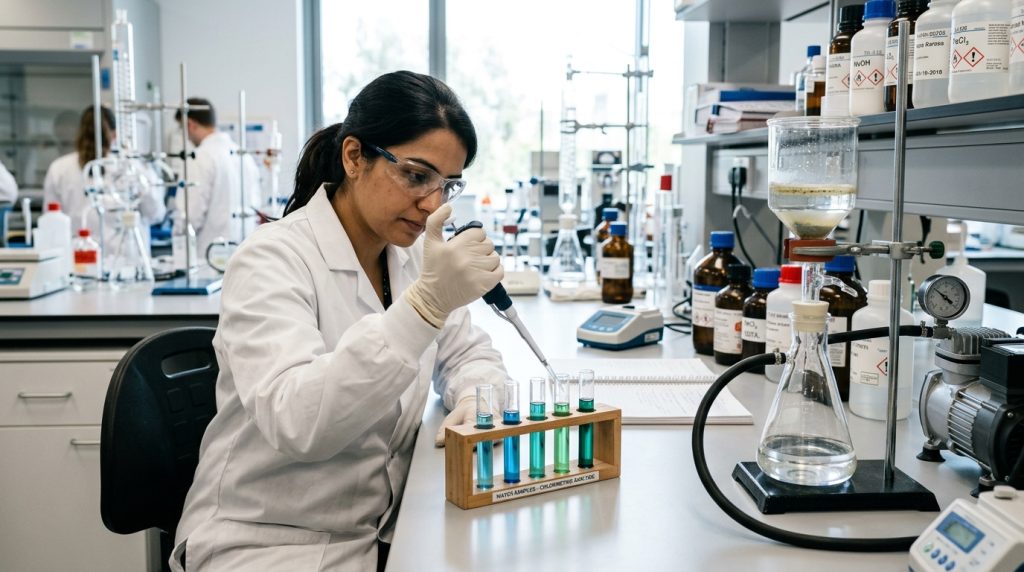
Pharmaceuticals and personal care products (PPCPs) and endocrine disrupting compounds (EDCs) are frequently detected in drinking water sources.
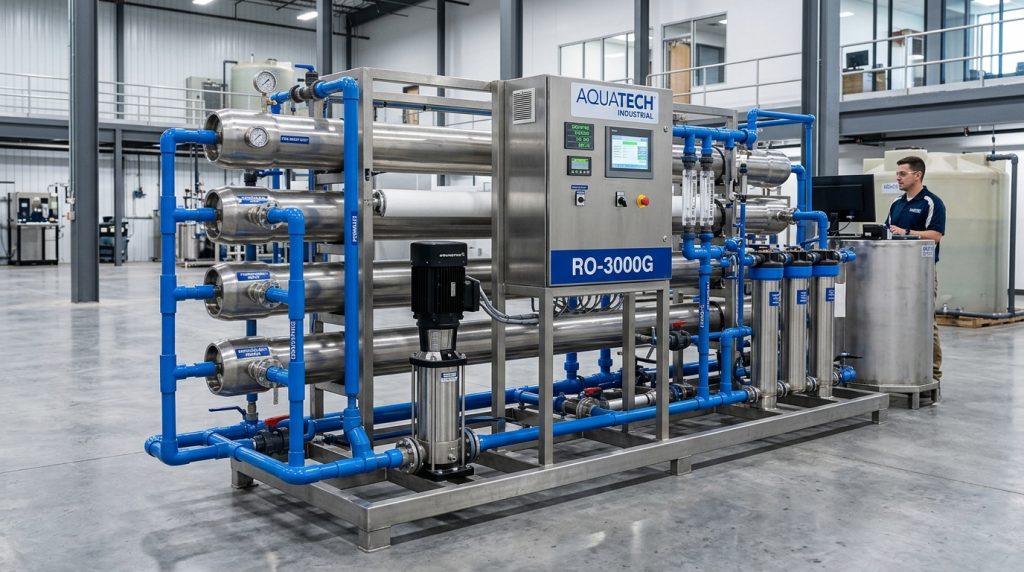
Neonicotinoids are a class of systemic insecticides widely used on food crops globally.
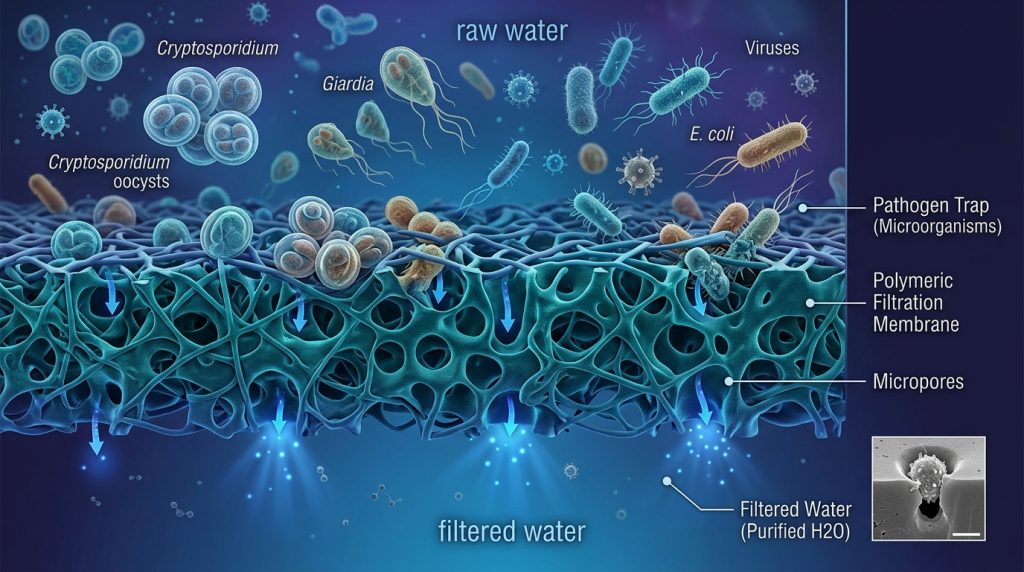
Ultraviolet (UV) irradiation has proven an effective tool for inactivating microorganisms in water.

When deciding whether or not to regulate a chemical, regulatory bodies often evaluate the degree to which the public may be exposed by evaluating the chemical’s occurrence in food and drinking water.
Sugar-sweetened beverages (SSBs) add empty calories to children’s diets1 and may increase the risk of weight gain, obesity, and diabetes.
Extreme heat at work combined with chronic dehydration is a proven risk factor for chronic kidney disease among farm, construction and factory workers.

Losing just 1-2% of your body’s water is enough to affect attention, short-term memory and reaction time, and the research on it is consistent.