
Nerbass F.B., Pecoits-Filho R., Clark W.F., Sontrop J.M., McIntyre C.W., Moist L.
(2017), Occupational Heat Stress and Kidney Health: From Farms to Factories,
Kidney International Reports, 2 (6), pp. 998-1008.
Not drinking enough water, or chronic dehydration, is one of the main reasons people get CKD in certain jobs.
- This review looks at new evidence showing that extreme heat stress at work, combined with ongoing dehydration, can lead to CKD and eventually kidney failure.
- As global temperatures rise and it gets harder to find clean drinking water, the effects of heat exposure could get worse for both outdoor and indoor workers who deal with chronic heat stress and repeated dehydration.
- Stopping occupational heat stress is a big challenge. It calls for a team effort from employers, health authorities, engineers, researchers, and governments.
Why Heat Stress Damages Kidneys
When workers are out in extreme heat for long stretches, their bodies react in ways that directly hurt their kidneys. The main problem is repeated dehydration. This cuts off blood flow to the kidneys, causing acute kidney injury (AKI). Each AKI episode scars the kidney tissue, slowly leading to Chronic Kidney Disease of unknown origin (CKDu). We’ve seen this in sugarcane workers in Central America, rice farmers in Sri Lanka, and factory workers across South Asia.
Studies show that outdoor workers under heat stress have higher levels of creatinine, cystatin C, and kidney injury molecule-1 (KIM-1 by the end of their shifts. These are all signs of kidney stress. The damage gets worse when workers drink sugary drinks, alcohol, or anything with fructose instead of clean water. These drinks stop nitric oxide production in the kidney and speed up uric acid formation, making the kidney damage worse.
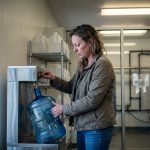
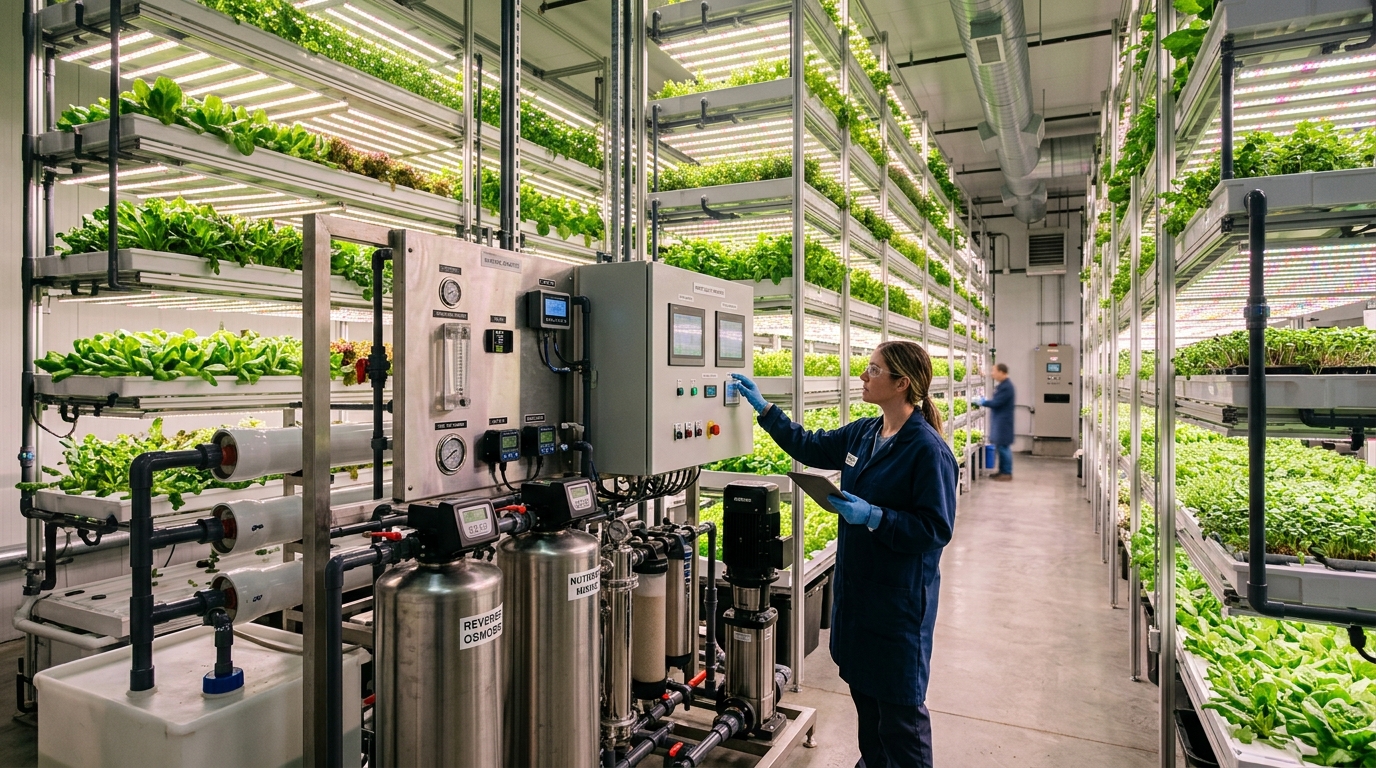
Employers in industrial and agricultural settings, especially in hot areas, have a clear responsibility to give their workers clean, drinkable water on-site. Portable reverse osmosis (RO) systems are practical solutions for remote job sites. AMPAC USA designs and builds solar-powered RO units that can make thousands of gallons of clean drinking water every day. They can use groundwater, surface water, or even brackish water, tackling the root cause of occupational CKD risk.
Frequently Asked Questions
Which workers are most vulnerable to heat stress-related kidney disease?
Workers in agriculture, construction, and industrial environments face the highest risk of developing chronic kidney disease (CKD) due to repeated heat exposure and inadequate hydration. This includes sugarcane workers in Central America, rice farmers in Sri Lanka, and factory workers across South Asia, where conditions like CKDu are prevalent.
How does occupational heat stress specifically damage the kidneys?
Prolonged occupational heat stress leads to recurrent dehydration, which reduces blood flow to the kidneys and triggers acute kidney injury (AKI). Repeated AKI episodes progressively scar kidney tissue, eventually leading to chronic kidney disease (CKD), as evidenced by elevated biomarkers like creatinine and kidney injury molecule-1 (KIM-1).
What is the most effective way to prevent occupational heat stress and protect worker kidney health?
The most effective prevention involves ensuring consistent access to clean, safe drinking water and implementing coordinated employer efforts. AMPAC USA, with over 30 years of experience, designs and manufactures robust reverse osmosis and water purification systems, critical for providing high-quality hydration in challenging industrial and remote environments.
Why are sugary drinks harmful during heat exposure?
Consuming beverages high in fructose, alcohol, or sugar content instead of clean water exacerbates kidney damage during heat stress. These drinks inhibit nitric oxide production in the kidneys and accelerate uric acid formation, worsening tubular injury and accelerating the progression of kidney disease.
What is CKDu, and where is it commonly found?
CKDu, or Chronic Kidney Disease of unknown etiology, is a severe form of kidney damage documented among workers experiencing repeated heat stress and dehydration. It is particularly prevalent among sugarcane workers in Central America, rice farmers in Sri Lanka, and factory workers across South Asia.
AMPAC USA engineers custom water purification systems for commercial, industrial, and emergency applications — from 500 GPD to multi-million GPD. Trusted by municipalities, military, and industry worldwide.