

Millions of North Carolina residents drink from private wells. Here’s the thing: after a well is installed, there’s no required testing to make sure the water is safe. This study shows people are exposed to serious contaminants like arsenic, nitrates, coliform bacteria, and industrial chemicals. It’s clear that well testing and point-of-use treatment are absolutely crucial for this often-overlooked group.
Contaminant Risks for North Carolina Private Well Users
North Carolina is one of the top five states where people rely on private wells. We’re talking about 2 million residents, including many folks in rural and farming communities across the Piedmont, Coastal Plain, and Mountain regions. They all depend on groundwater that isn’t regulated. Unlike people who get their water from the city and receive EPA-enforced quality reports, private well users don’t get mandatory alerts when aquifer conditions change, and there’s no safety net if their well water has too many contaminants.
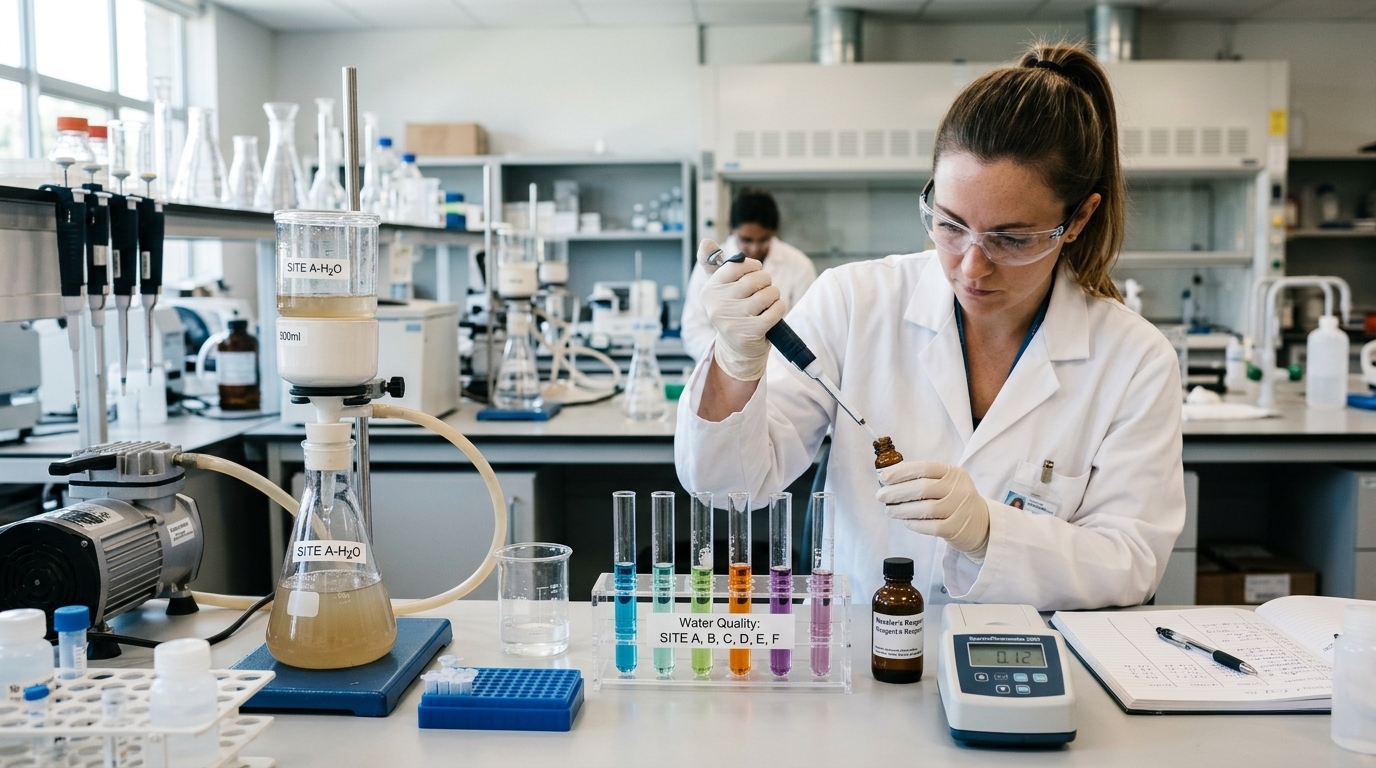
Arsenic in NC bedrock aquifers: Naturally occurring arsenic, not from industry, is high in North Carolina’s bedrock aquifers, especially in the piedmont. Even low doses of arsenic (between 5 and 50 µg/L) over a long time can increase your risk of bladder, lung, and skin cancers. It’s also linked to heart and nerve problems. Yet, surveys consistently find that less than 15% of NC private well owners have ever tested for arsenic.
Agricultural and CAFO-related contamination: North Carolina’s hog and poultry farms create a lot of manure lagoon waste. This waste can seep into shallow wells after heavy rain or floods. Nitrates from these sources, along with fertilizer used on crops, are the top chemical contaminants in shallow agricultural aquifers statewide. Coliform bacteria from animal waste directly show fecal contamination pathways.
Industrial legacy contamination: Hexavalent chromium (Cr-6) from industrial sites, GenX compounds (PFAS precursors) that the Chemours Fayetteville Works plant historically discharged, and 1,4-dioxane from textile and industrial facilities are new threats to private well users in affected areas. Most NC well owners don’t realize their wells might be near these contamination plumes. Plus, standard well tests don’t check for these compounds unless you specifically ask.
Public health infrastructure gaps: The study points out that local health departments are an underused first line of defense for private well advice. What if we combined routine well testing with information about point-of-use treatment? Think RO systems for inorganic contaminants and certified carbon filters for PFAS. Giving this info out during county health department visits would be a cost-effective way to reduce the water quality differences we see between city water users and well-reliant populations.
Crystal Lee Pow Jackson, PhD, North Carolina Department of Health and Human Services
Max Zarate-Bermudez, MSc, MPH, PhD, Centers for Disease Control and Prevention
Description
North Carolina has the second highest number of residents who rely on private wells for their drinking water. Studies say about 3.3 million North Carolina residents (35% of the population) use private wells, with one county having as many as 85.4% of its residents using them. Unlike public water systems that have the Safe Drinking Water Act protecting them, private wells in the U.S. don’t have federal regulations. Well owners are responsible for testing, treating, maintaining, and managing their private wells, often with little technical or financial help.
In 2015, the Private Well and Health Program (PWHP) of the North Carolina Department of Health and Human Services got money from the Centers for Disease Control and Prevention’s Safe Water for Community Health (Safe WATCH) Program. This funding was to improve services for private well users. PWHP had too few staff, limited access to water quality data, and lacked established partnerships, which stopped it from improving services to better protect private well users’ health.
This month’s column shows how PWHP used that funding to fix its private well and water quality problems, and what initiatives they started to ensure residents have safe drinking water.
https://www.neha.org/node/60627
The post Exposure to Contaminants Among Private Well Users in North Carolina: Enhancing the Role of Public Health appeared first on .
Source: Water Feed
Related Articles
- Strategies to Improve Private-Well Water Quality: A North Carolina Perspective
- Health protective behavior following required arsenic testing under the New Jersey Private Well Testing Act.
- Children’s Lead Exposure: A Multimedia Modeling Analysis to Guide Public Health Decision-Making
- Association of Caloric Intake From Sugar-Sweetened Beverages With Water Intake Among US Children and Young Adults in the 2011-2016 National Health and Nutrition Examination Survey
Frequently Asked Questions
Why are private wells in North Carolina a concern for drinking water safety?
Approximately 2 million North Carolina residents rely on private wells, which lack the regulatory testing and oversight of municipal water systems. This leaves them vulnerable to undetected contaminants like arsenic, nitrates, and industrial compounds, with no mandatory notification when water quality changes or if levels exceed safe limits.
What are the primary contaminants found in North Carolina private well water?
Key contaminants include geogenic arsenic, prevalent in Piedmont bedrock aquifers, and nitrates and coliform bacteria from agricultural runoff in shallow wells. Emerging threats also encompass industrial legacy compounds such as Hexavalent chromium (Cr-6), GenX (PFAS precursors), and 1,4-dioxane.
What are the health risks associated with arsenic in North Carolina well water?
Geogenic arsenic, naturally occurring in NC’s crystalline bedrock, particularly in the Piedmont, poses significant health risks. Long-term exposure to concentrations between 5 and 50 µg/L increases lifetime cancer risk for bladder, lung, and skin cancers, and is linked to cardiovascular and neurological effects.
How do agricultural practices affect private well water quality in NC?
North Carolina’s hog and poultry industries generate substantial manure lagoon waste and fertilizer runoff, which can infiltrate shallow wells. This leads to nitrates, the leading chemical contaminant, and coliform bacteria, indicating fecal contamination, especially following heavy rainfall or flooding events.
What advanced treatment solutions exist for complex well water contaminants like GenX or 1,4-dioxane?
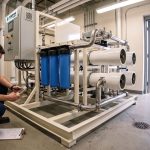
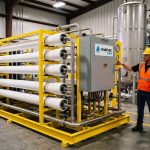
For complex industrial contaminants like GenX, 1,4-dioxane, or Hexavalent chromium, advanced point-of-use treatment systems are crucial. Technologies such as reverse osmosis (RO) and specialized activated carbon filtration, which AMPAC USA engineers for commercial and industrial applications, are highly effective in removing these challenging compounds from drinking water.
AMPAC USA engineers custom water purification systems for commercial, industrial, and emergency applications — from 500 GPD to multi-million GPD. Trusted by municipalities, military, and industry worldwide.