
Quick Answer: About 43 million Americans get their drinking water from private wells. But here’s the kicker: none of these wells get the benefit of municipal treatment or monitoring. A North Carolina study found that 22% of private wells had at least one contaminant above healthy levels, usually coliform bacteria, nitrates, or natural arsenic. To keep your private well water safe, you need to test it yearly, pick the right treatment system (like reverse osmosis for lots of different contaminants), and keep it maintained regularly.
Author Full Names: Gibson, Jacqueline MacDonald; Pieper, Kelsey J.
Source: ENVIRONMENTAL HEALTH PERSPECTIVES, 125 (7):10.1289/EHP890JUL 2017
Language:English
Abstract: BACKGROUND: It’s clear that the 44.5 million U.S. residents who use private wells for their drinking water face a higher risk of exposure to waterborne contaminants. This is compared to people served by regulated community water supplies. North Carolina, which has the second-largest private well population in the U.S., is a great place to study the challenges of keeping private well water clean.
OBJECTIVES: This paper shares recommendations from a two-day meeting. The goal was to find ways to improve drinking water quality for North Carolina residents using private wells. METHODS: The Research Triangle Environmental Health Collaborative invited 111 experts on private well water issues to the Summit. They broke into small groups to focus on specific problems, then met back in larger sessions to agree on recommendations.
DISCUSSION: Summit participants pointed out four main roadblocks to safe water for private well users: (1) there’s no database of private well locations; (2) racial disparities mean some urban areas still rely on private wells; (3) many private well users don’t have the info or money to check and care for their wells; and (4) programs that help private well owners are scattered and don’t have enough money. The Summit came up with 10 agreed-upon recommendations to fix these problems.
CONCLUSIONS: If these Summit recommendations are put into action, they could make North Carolinians healthier. These folks currently face higher risks from waterborne contaminants because their private wells aren’t properly checked or maintained. Since many of North Carolina’s challenges are common across the country, these recommendations could even help other states.
The post Strategies to Improve Private-Well Water Quality: A North Carolina Perspective appeared first on Facts About Water.
Source: Water Feed
Related Articles
- Exposure to Contaminants Among Private Well Users in North Carolina: Enhancing the Role of Public Health
- The Case for Universal Screening of Private Well Water Quality in the U.S. and Testing Requirements to Achieve It: Evidence from Arsenic
- Variability in the chemistry of private drinking water supplies and the impact of domestic treatment systems on water quality
- Developing a framework for classifying water lead levels at private drinking water systems: A Bayesian Belief Network approach
Frequently Asked Questions
How prevalent are water quality issues in private wells across the U.S.?
Approximately 43 million Americans rely on private wells, which lack municipal treatment and monitoring. A North Carolina study, a useful microcosm for national trends, found 22% of private wells exceeded health guidelines for contaminants like coliform bacteria, nitrates, and naturally occurring arsenic. This highlights a significant, unregulated risk.
What are the primary contaminants found in North Carolina private wells?
A statewide study in North Carolina identified coliform bacteria, nitrates, and naturally occurring arsenic as the main contaminants exceeding health-based guidelines in 22% of private wells. These contaminants pose elevated health risks due to the absence of regulated monitoring and treatment common in municipal water supplies.
What are the fundamental strategies for improving private well water quality?
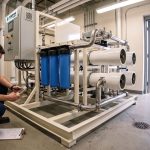
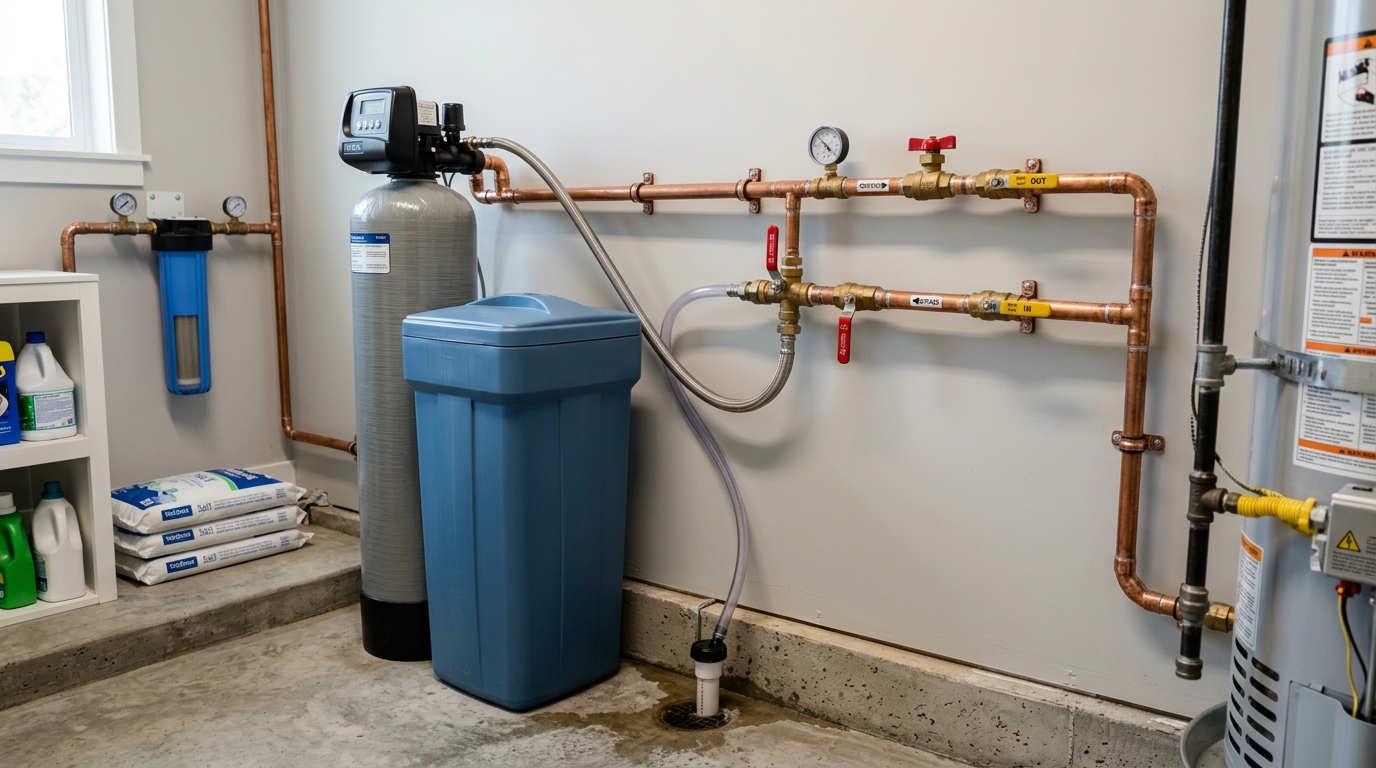
The foundation for private well water safety includes annual testing, selecting an appropriate treatment system, and regular maintenance. For scenarios with multiple contaminants, Reverse Osmosis (RO) systems are highly effective. AMPAC USA, with 30+ years in water purification, recommends tailored solutions based on specific water analysis.
What are the main barriers to ensuring safe private well water in communities like North Carolina?
A summit of experts identified four key barriers: the absence of a private well location database, racial disparities impacting reliance on wells, users lacking information or resources for monitoring, and fragmented support programs. These systemic issues hinder effective management and maintenance of private wells.
When is a Reverse Osmosis (RO) system recommended for private well water treatment?
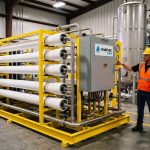
A Reverse Osmosis (RO) system is particularly recommended for private wells facing multi-contaminant scenarios, effectively addressing issues like coliform bacteria, nitrates, and arsenic. AMPAC USA designs robust RO systems capable of purifying water to meet stringent health standards, ensuring comprehensive protection where municipal oversight is absent.
AMPAC USA engineers custom water purification systems for commercial, industrial, and emergency applications — from 500 GPD to multi-million GPD. Trusted by municipalities, military, and industry worldwide.