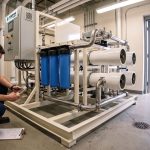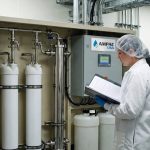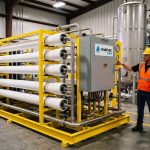

Commercial Reverse Osmosis (RO) systems play a vital role in providing high-purity water for industries such as pharmaceuticals, food processing, power plants, and beverage production. However, even the most advanced RO units can encounter operational setbacks that reduce performance and lead to increased downtime. At our organization, we specialize in helping businesses identify and resolve these issues swiftly, ensuring maximum system efficiency.
Below, we dive into the most common issues in commercial RO systems and how to effectively troubleshoot them.
-
Low Water Flow or Pressure in RO System
One of the most frequent complaints in commercial RO operations is a significant drop in water flow rate or system pressure.
Causes:
- Fouled or clogged pre-filters or membranes
- Scaling due to hard water minerals like calcium and magnesium
- Faulty high-pressure pump
- Incorrect settings on the pressure control valve
Solutions:
- Replace sediment and carbon pre-filters regularly
- Conduct membrane cleaning using antiscalant solutions and chemical flushes
- Inspect and service the high-pressure pump for wear or seal failure
- Verify and calibrate all pressure settings based on manufacturer specifications
Read More: 8 Benefits of Installing a Home Water Filtration System
-
High TDS in Product Water
If the Total Dissolved Solids (TDS) level in the RO output water is higher than expected, it indicates a failure in the core filtration process.
Causes:
- Damaged or worn-out RO membranes
- Improper membrane installation
- Bypassed water mixing with permeate
- Scaling or fouling inside the membrane housing
Solutions:
- Replace degraded membranes based on life cycle or test reports
- Ensure all membrane elements are properly seated in the housings
- Check the system for faulty valves that may allow raw water to mix with permeate
- Perform chemical cleaning with specialized membrane descalers
-
Continuous Drain Water Flow
A commercial Reverse Osmosis system typically rejects a portion of feed water as brine. However, continuous or excessive drain flow can lead to water waste and higher utility bills.
Causes:
- Malfunctioning auto shut-off valve or solenoid valve
- Defective flow restrictor
- Leakage in the drain line or housing
Solutions:
- Inspect and replace faulty valves or solenoids
- Check the flow restrictor for blockages or sizing errors
- Repair or replace any leaking tubing or connectors
-
Membrane Fouling and Scaling
Membrane fouling remains a top reason for declining RO performance, leading to reduced recovery, lower permeate quality, and increased pressure drop.
Types of Fouling:
- Biological (bacteria, algae)
- Organic (oil, humic acids)
- Inorganic scaling (CaCO₃, CaSO₄, silica)
- Colloidal (clay, silt)
Solutions:
- Schedule periodic chemical clean-in-place (CIP) procedures
- Pre-treat feed water with media filters, cartridge filters, and antiscalants
- Install UV sterilizers or chlorination/dechlorination systems for biological control
- Use online monitoring tools to measure SDI (Silt Density Index) and initiate backwash cycles
-
Frequent Pump Failures
A failing pump can halt operations, particularly in high-capacity commercial RO units that rely on pressure stability.
Causes:
- Cavitation due to air entrainment
- Overheating from dry runs
- Excessive pressure loads
- Improper motor alignment or lubrication failure
Solutions:
- Install air release valves and ensure airtight piping
- Use low-pressure cut-off switches to prevent dry running
- Verify alignment and conduct regular maintenance checks
- Opt for stainless steel multistage pumps for heavy-duty operations
Read More: Top 10 Contaminants Removed by Reverse Osmosis Water Filters
-
Noise and Vibration in RO Units
Abnormal vibration or noise typically points to mechanical imbalance, which if unaddressed, can cause long-term damage to components.
Causes:
- Loose fittings or supports
- Misaligned pump and motor
- Excessive backpressure from clogged membranes
Solutions:
- Tighten all structural fittings and install anti-vibration pads
- Align pump and motor shafts precisely using dial indicators
- Clean or replace blocked membranes and pressure vessels
-
pH Imbalance in Product Water
Commercial clients often require specific pH ranges in permeate water. A shift in pH levels can lead to corrosion or incompatibility in downstream processes.
Causes:
- CO₂ permeation across the membrane
- Depletion of pH correction chemicals
- Faulty pH adjustment dosing system
Solutions:
- Install a post-treatment pH neutralizer like calcite filters
- Monitor dosing systems and replace chemical solutions on schedule
- Use digital pH controllers with automated feedback dosing
-
Intermittent System Shut-Off or Start Failures
Sudden system stoppages or failure to start can be disruptive to continuous operations.
Causes:
- Electrical faults (overloads, blown fuses, sensor failures)
- Clogged or misaligned float switches
- Control board malfunction
Solutions:
- Check all circuit breakers, fuses, and motor protection devices
- Realign or replace faulty float switches in the tank
- Consult the control panel diagnostics or replace faulty PLCs
-
Leaks in RO System Plumbing
Leaks not only waste purified water but can also pose safety hazards in commercial environments.
Common Leak Points:
- Membrane housings
- Pump seals and flanges
- High-pressure tubing and connectors
Solutions:
- Use Teflon tape and proper torque settings on threaded connections
- Replace O-rings, gaskets, and worn-out seals with OEM parts
- Schedule visual inspections weekly to catch early signs of leakage
-
System Alarms and Error Codes
Modern commercial RO systems are equipped with automation and alarms to identify problems. Ignoring these warnings can result in downtime or permanent damage.
Troubleshooting Tips:
- Consult the user manual for specific error codes
- Use system logs to detect recurring faults
- Reset sensors after verifying root causes, not before
Proactive Strategy:
- Enable remote monitoring via SCADA or IoT-enabled platforms
- Set up preventive maintenance alerts based on runtime hours or flow rates
Read More: What are the advantages of Commercial RO Plants?
Maximizing Uptime with Preventive Maintenance
Preventive care is the key to avoiding unplanned downtime and prolonging the lifespan of critical RO components.
Recommended Maintenance Schedule:
- Daily: Check inlet/outlet pressures, monitor flow meters
- Weekly: Inspect filters, test TDS and pH levels
- Monthly: Clean membranes, calibrate sensors
- Quarterly: Service pumps, update firmware/software if applicable
Service Log Protocols:
- Maintain a digital maintenance logbook
- Schedule regular site audits
- Keep an inventory of spare parts for emergency replacements
Conclusion: Boosting Reliability and Water Quality
Commercial RO systems are mission-critical assets. With consistent monitoring, proactive maintenance, and expert troubleshooting, we ensure that every system continues to deliver high-purity water while minimizing costs and downtime. Our comprehensive approach to diagnosing and resolving issues allows businesses to maintain compliance, meet production demands, and protect their infrastructure investment.
Frequently Asked Questions
What causes a drop in water flow or pressure in a commercial RO system?
A significant drop in water flow or pressure in a commercial RO system often indicates fouled pre-filters or RO membranes, scaling from hard water minerals like calcium and magnesium, or a faulty high-pressure pump. Incorrect pressure control valve settings can also contribute to this issue, requiring verification and calibration.
How can I reduce high TDS levels in my commercial RO product water?
High Total Dissolved Solids (TDS) in product water typically points to compromised RO membranes. Solutions include replacing damaged or worn-out membranes, ensuring all membrane elements are properly seated in their housings, and checking for faulty valves that might allow raw water to bypass the filtration process. Chemical cleaning with specialized membrane descalers can also help restore performance.
Why does my commercial RO system have continuous drain water flow?
Continuous or excessive drain water flow in a commercial RO system often results from a malfunctioning auto shut-off valve or solenoid valve. Other causes include a defective flow restrictor that isn’t regulating brine discharge properly, or a leak in the drain line or housing. Inspect and replace faulty components to prevent water waste.
How often should commercial RO membranes be cleaned to prevent fouling?
The frequency of commercial RO membrane cleaning depends on feed water quality and system usage, but regular maintenance is crucial to prevent fouling and scaling. AMPAC USA recommends proactive cleaning using antiscalant solutions and chemical flushes, often on a quarterly or semi-annual basis, to maintain optimal performance and extend membrane life.
What are the key indicators of a failing RO membrane in an industrial system?
Key indicators of a failing RO membrane in an industrial system include a significant increase in Total Dissolved Solids (TDS) in the product water, a noticeable drop in the system’s permeate flow rate, or an increase in the differential pressure across the membrane elements. These signs suggest the membrane’s ability to reject impurities is diminishing.
Conclusion
This post explored how reverse osmosis technology delivers high-purity water across a wide range of residential, commercial, and industrial applications. For businesses and organizations requiring reliable RO purification, AMPAC USA engineers custom systems tailored to your specific water quality requirements and flow demands. Contact our team at info@ampac1.com or (909) 548-4900 to discuss your water treatment needs.
AMPAC USA engineers custom water purification systems for commercial, industrial, and emergency applications — from 500 GPD to multi-million GPD. Trusted by municipalities, military, and industry worldwide.