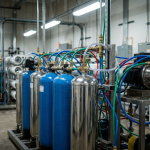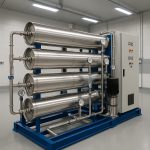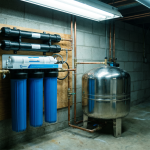

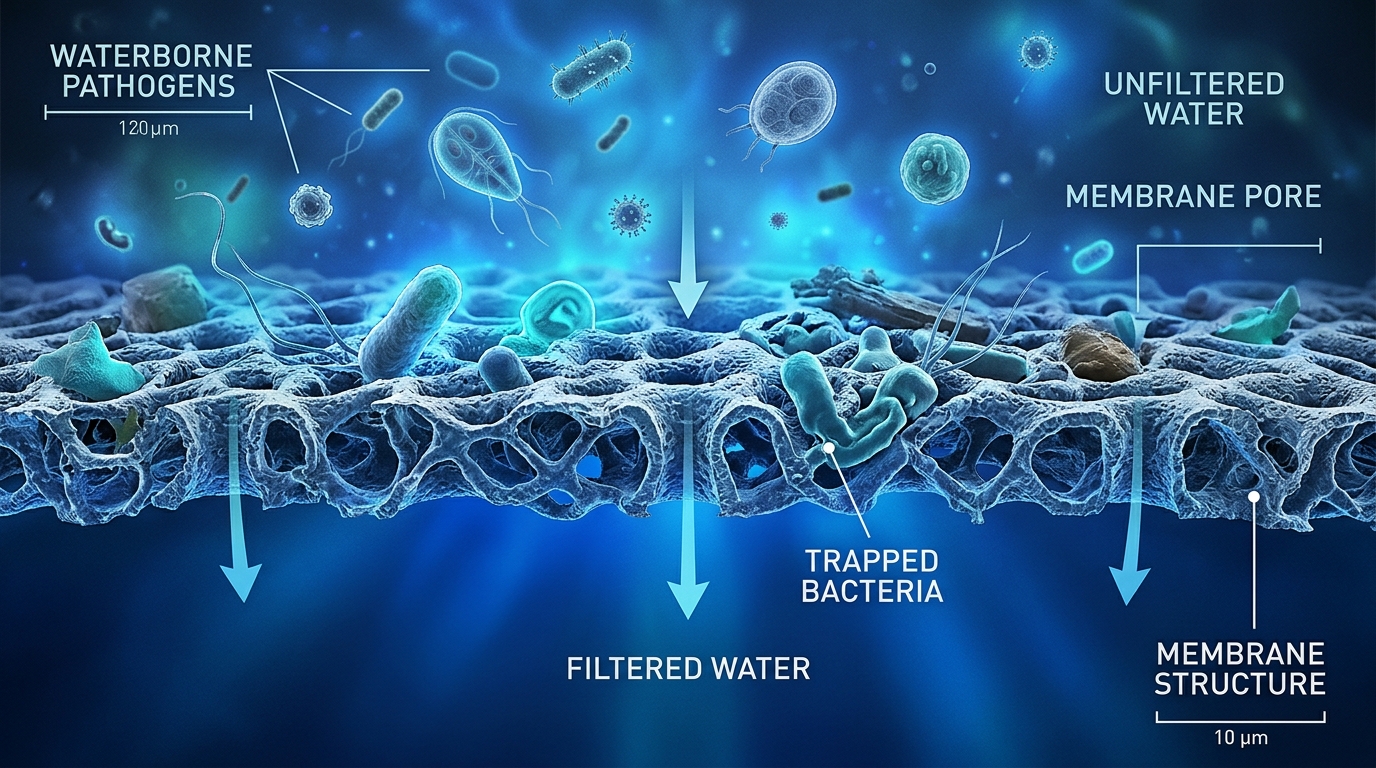

Dealing with Adenovirus in Water is super important for today’s water treatment. Here at AMPAC USA, we build top-notch systems to make sure homes, businesses, and industrial sites get safe, clean water. Our systems are designed to pull out the most contaminants and keep working reliably for a long time.
Abstract
Millions of people drink contaminated water every day. Chlorine is the most common way to clean water, but it can create harmful by-products. So, what if we could use natural or synthetic compounds instead? This study aimed to see how well N-chlorotaurine (NCT), bromamine-T (BAT), and Grape seed extract (GSE) could inactivate human adenovirus in water. Researchers treated distilled water, which they’d contaminated with recombinant human adenovirus type 5 (rAdV-GFP), with different amounts of each compound for up to 120 minutes. They checked how well the virus was inactivated using fluorescence microscopy. They also looked at how organic matter affected the compounds’ activity by adding peptone to the water.
Here’s what they found: NCT and GSE reduced adenovirus by about 2.5 log10 after 120 minutes. BAT was even faster, showing more than a 4.0 log10 decrease within just 10 minutes. When 0.5% peptone was added, the oxidative power of 1% BAT dropped by 50% in a few minutes. For 1% NCT, the reduction was only 30% in 5% peptone after 60 minutes. Interestingly, organic matter didn’t affect GSE’s activity at all. Plus, the amount of BAT and GSE needed to kill viruses was lower than what’s known to harm human cells. The study concluded that all three compounds could be good options for disinfecting water for drinking or reuse.