
Every parent wants the best for their child. They want to ensure that the child gets the right nutrition needed for body and mind development. If you are also a concerned and cautious parent, you should know how much water your child needs also matters. Here we have explained how much water your child needs every day. Have a look and choose the right water quantities for the child and ensure that your child is drinking enough water every day.
Babies Have More Water Content
According to the United States Geological Survey, babies are made of 78% water. When a baby is one year old, this percentage drops to 65%. In comparison, adult males are 60% water while adult women are 55% water.
Age Matters
As babies have more water than adults, they don’t need as much water as adults need. The amount of water your child needs depends on their weight, height, and the level of physical activity they engage in. Here is a general overview of how much water your children need by their age.
How Much Water Do Infants Need?
Infants who are less than six months of age do not need to drink water. When they exceed the age of 6 months and are below one year of age, you need to develop the habit of giving water in sips to them. They only need to start drinking water when they start having solid foods.
If your baby is regularly feeding, has a healthy weight, and has no health issues, you don’t need to worry about them getting dehydrated. Also, remember not to overhydrate your baby as it can lead to problems later on.
How Much Water Do Pre-Schoolers or Toddlers Need?
Children between the ages of 1-4 need about 4 to 6 cups of water in a day. The climate is a factor. So, if you live in a hotter climate, your child will need more water. Similarly, if your little one is too active, they will need more water.
Though children can get water through other sources like milk and juice, you should focus on plain water. Juices are not as healthy as water and often contain more sugar than needed.
How Much Water Do Elementary Children Need?
Children who are between the ages of 5 to 8 should drink 6 to 7 cups of water a day. Children over the age of 9 should drink 7 or 8 cups in a day. When your child reaches the age of 14, they need 8-11 cups of water daily (same as adults).
When living in an area where temperatures are about 95 degrees Fahrenheit or more, children and adults should drink 8 ounces of water every time they need to step out.
What Water Source to Trust- AMPAC USA is the Best!
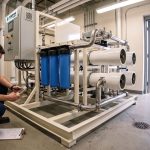
You can trust reverse osmosis systems to provide you and your family with pure and contamination-free water. You can also trust AMPAC USA. We are providers of various water treatment solutions that help you get clean and contamination-free water every day. We provide the best reverse osmosis systems for residential, commercial, and industrial needs. They help ensure the water is tasteless, colorless, and odorless.
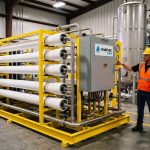
AMPAC USA water systems are well equipped and fully capable of converting any water into a product that meets the requirement of the end-user. Capable of performing flawlessly in harsh environments, our products assist the exploratory labs at the Arctic Circle to Oil rigs in Deserts, urban communities, and war zones. AMPAC USA water treatment systems are proven solutions to water treatment problems across the globe.
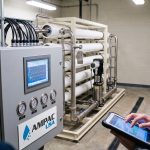
AMPAC USA advanced water purification systems are built to solve the most complex challenges related to water purification, treatment, provisioning, and Seawater Desalination, meant to work in the harshest environments around the globe. Our water treatment systems use the best Reverse Osmosis, Seawater Desalination, and water technologies of International standards for industrial, On-shore, and Offshore applications.
AMPAC USA designs and manufactures some of the world’s most reliable Commercial Reverse Osmosis Water Treatment Systems to treat water even in the toughest environments. We additionally strive for quality of international standards and excellent after-sales service. Our engineers are available to support your water treatment applications anywhere around the world. To know more, call us on 909-548-4900 or visit us here.
Related Articles
- World Water Day 2022 to Focus on Groundwater: Making the Invisible Visible
- Life Without Water: All You Need to Know About Cape Town’s Day Zero
- RO Water Quality: What TDS, pH, and Conductivity Actually Mean for Your System
- Water Softener vs Reverse Osmosis: Which Do You Need? | AMPAC USA
Conclusion
Getting the daily ounces right matters, but so does what’s actually in those ounces. Kids absorb contaminants like lead and nitrates more readily than adults, so tap water that’s a minor concern for grown-ups can pose a bigger risk to a toddler’s developing system. NSF-certified filtration at home closes that gap without changing anything about how much your child drinks. If you want to understand what’s actually being measured when a system claims to purify, our guide on RO water quality, TDS, and conductivity breaks it down. For help choosing the right filtration for a household with kids, contact AMPAC USA at info@ampac1.com or (909) 548-4900.
Children’s Hydration: Requirements, Habits, and Water Quality Safety
Proper hydration is critical for children’s physical development, cognitive function, and overall health. Children have higher body water percentage than adults (approximately 75% of body weight in infants vs. 60% in adults), higher surface-area-to-volume ratios leading to greater evaporative water loss, and less developed thermoregulatory systems that increase vulnerability to heat-related illness. The National Academies’ Dietary Reference Intakes provide age-specific recommendations that account for these physiological differences.
Children also have heightened vulnerability to waterborne contaminants compared to adults. Lead exposure at levels previously considered acceptable is now known to cause measurable cognitive impairment in children — blood lead levels as low as 3.5 micrograms per deciliter (previously 10 mcg/dL was the “concern” level) are now associated with reduced IQ scores and behavioral problems. Nitrates in drinking water above 10 mg/L are specifically dangerous for infants under 6 months of age, causing methemoglobinemia (blue baby syndrome) by interfering with blood oxygen transport. PFAS compounds are concerning for developing immune systems and have been associated with reduced vaccine antibody response in children.
School water fountains and older school buildings with aging plumbing are recognized risk sources for lead exposure in children. The EPA’s 3Ts (Training, Testing, and Taking Action) program and the Water Quality in Schools program encourage schools to test water and remediate lead problems. Home water filtration with NSF-certified lead-reducing systems is especially important for households with children — the same RO system that improves adult water quality provides enhanced protection for the developing nervous systems most vulnerable to chronic low-level lead exposure.
Frequently Asked Questions
How much water should a toddler drink daily?
Toddlers aged 1-3 years generally need about 1.3 liters (approximately 4-6 cups) of water per day, including water from all foods and beverages. This amount can increase in hotter climates or with higher activity levels. Prioritize plain water over sugary juices for optimal hydration.
When can infants start drinking water?
Infants under six months of age do not need to drink water; their hydration needs are met entirely by breast milk or formula. Babies between 6 and 12 months can begin to have sips of water when they start consuming solid foods. It’s crucial to avoid overhydration in infants, as it can lead to health issues.
Why is water quality especially important for children?
Children’s developing physiological systems are more vulnerable to contaminants found in water compared to adults. Ensuring high-quality, purified water protects them from potential health risks and supports their overall growth and development. AMPAC USA emphasizes that clean water is fundamental for a child’s well-being.
What percentage of a baby’s body is water?
According to the United States Geological Survey, a newborn baby’s body is composed of approximately 78% water. This percentage gradually decreases as they grow, dropping to about 65% by their first birthday. In comparison, adult males are 60% water and adult females are 55%.
Can a baby drink too much water?
Yes, it is possible for babies, especially those under six months, to drink too much water, which can lead to overhydration. This can dilute their sodium levels and cause serious health problems. Always consult a pediatrician regarding appropriate water intake for infants, especially before they start solid foods.
AMPAC USA engineers custom water purification systems for commercial, industrial, and emergency applications — from 500 GPD to multi-million GPD. Trusted by municipalities, military, and industry worldwide.