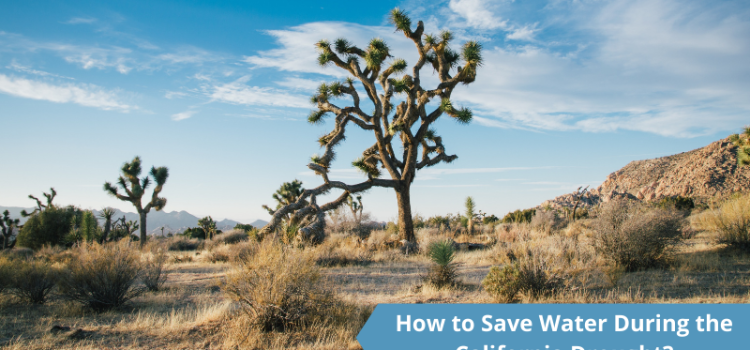

California’s water situation is a serious concern. The state is battling another drought, and everyone feels the impact, from residents to major industries. We’re all being asked to cut back on water usage – and for good reason. If you’re looking for practical ways to make a difference and save water during this ongoing challenge, you’re in the right place. Our team, with decades of field experience, has seen firsthand how crucial every drop is.
- Cut Back on Lawn Watering
Lawns are massive water hogs. Plain and simple. It’s time to rethink that thirsty turf. Either swap it out for drought-tolerant landscaping (xeriscaping, if you want the technical term) or drastically reduce how often you water it. What we’ve found is that many residential lawns consume more water than necessary, often hundreds of gallons per week. Less water on the lawn means more for essential uses: showering, cooking, or even just flushing.
- Prioritize Native Plants
If you’re planting, choose native species. Plants not indigenous to Southern California usually demand far more water to survive than those naturally adapted to our climate. Native plants thrive here with minimal intervention. Plus, they support local ecosystems, providing vital habitats for birds and pollinators. It’s a win-win for water conservation and biodiversity.
- Fix Those Leaks – Seriously
Your water bill tells a story. Check it every month. If it’s higher than expected, you likely have a leak somewhere in the house or yard. Even a small drip from a faucet can waste hundreds of gallons of water per month – imagine that adding up across a city. Find those leaks and get them fixed. Can’t pinpoint it? Hire a professional plumber or, better yet, invest in a smart leak detection system. These devices can save you a lot of money and water in the long run.
- Upgrade Old Appliances and Fixtures
Outdated appliances and fixtures are often incredibly inefficient. Old dishwashers, washing machines, showerheads, and toilets? They’re draining your water supply. Newer models are designed for efficiency, using significantly less water per cycle or flush. For example, modern low-flow toilets use about 1.28 gallons per flush (GPF) compared to 3.5 GPF or more from older units. Replacing them isn’t just about saving water; it’s an investment that reduces both water and energy costs over time.
- Implement Simple Daily Habits
Small changes add up. Here are a few straightforward tricks to integrate into your daily routine:
- Turn off the tap while brushing your teeth. It’s an old one, but it works.
- Don’t let water run continuously while showering, washing dishes, shaving, or cleaning.
- Run washing machines and dishwashers only when you have a full load. This maximizes efficiency and saves water and energy.
- Instead of letting the shower run until it’s warm, collect that initial cold water in a bucket. Use it for watering plants or cleaning.
- Clean sidewalks and driveways with a broom, not a hose. It’s often more effective anyway.
- Skip daily car washes. A quick wipe-down with a cloth for dust is usually sufficient.
- Water outdoor plants in the early morning or evening. The midday sun causes excessive evaporation, meaning less water actually reaches the roots.
- Shop Smarter
Consider the “water footprint” of the products you buy. This means understanding how much water is needed to grow, produce, and package an item. When it comes to food, choose products that require less water to cultivate. It’s not just about food, though. Manufacturing consumer goods is incredibly water-intensive. Did you know a single cotton t-shirt can require around 650 gallons of water to produce? Or that a new smartphone might cost upwards of 3,000 gallons in its manufacturing process? Honestly, most buyers overlook this, but it’s a huge factor in global water consumption.
- Engage with Your Government
While individual actions are vital, systemic change is just as crucial. Here’s the thing: households can save a lot, but government policies drive large-scale water conservation. Speak up! Ask your local and state officials to champion and enforce water-saving legislation. Attend city council meetings – even virtually – to stay informed on conservation plans. If you spot significant water wastage, report it to the authorities.
- Stay Informed on Essential Water Technologies
When drought impacts local water quality, having reliable solutions is paramount. That’s where products like AMPAC USA’s portable water purification systems come in. We’ve designed these Emergency Portable Watermakers as self-contained, easily transportable purification units. They’re critical for treating raw, untreated water sources, often found in challenging environments. Their primary function? Removing pathogens and toxic compounds that pose immediate health risks. We’ve seen these systems deployed on military missions, in disaster zones, for remote camping operations, and in developing countries where safe drinking water is scarce.
AMPAC USA engineers these portable watermakers with advanced Reverse Osmosis (RO) technology. They need feed water and a power source, but we often customize units with solar panels for off-grid emergencies – a lifesaver when conventional power isn’t available. In our experience, the RO process consistently removes over 99% of contaminants, delivering quality drinking water instantly.
Our reverse osmosis portable water purification systems are available with flow rates ranging from 150 GPD (gallons per day) up to 1500 GPD, offering flexibility for various needs. Here’s what makes them stand out:
- Easy to transport.
- Flexible and compact design, requiring minimal space.
- Equipped with high-quality RO membranes and robust pre-filters.
- Quiet operation – important in sensitive environments.
- Simple On/Off switch operation.
- Backed by a 12-month manufacturer warranty.
- Heavy-duty Pelican case wheels ensure true mobility.
To explore our full range of portable water treatment solutions, click here.
Frequently Asked Questions
What are the most effective ways to reduce residential water use during a drought?
To significantly reduce residential water use, focus on three key areas: drastically cutting back on lawn watering, promptly fixing all leaks, and upgrading old, inefficient appliances. Lawns are major water consumers, often using hundreds of gallons weekly, while a single drip can waste hundreds of gallons monthly. Replacing older toilets (3.5+ GPF) with modern low-flow models (1.28 GPF) and other efficient fixtures also yields substantial savings.
How much water can be wasted by household leaks?
Household leaks, even small drips, can lead to significant water waste. A single leaky faucet can waste hundreds of gallons of water per month, and larger leaks in irrigation systems or pipes can waste thousands. Regularly checking your water bill for unexpected spikes and investing in smart leak detection systems are practical steps to identify and address these costly issues promptly.
What is xeriscaping and how does it help conserve water in California?
Xeriscaping is a landscaping approach that uses drought-tolerant plants and efficient irrigation methods to minimize the need for supplemental water. By replacing thirsty turf with native or climate-adapted species, it drastically reduces outdoor water consumption, which is often the largest portion of residential water use. This method allows landscapes to thrive with minimal intervention, making it ideal for California’s drought conditions.
What are the water-saving benefits of upgrading to modern low-flow fixtures?
Upgrading to modern low-flow fixtures and appliances offers substantial water savings. For example, newer low-flow toilets use only about 1.28 gallons per flush (GPF) compared to 3.5 GPF or more from older units, significantly reducing daily water consumption. Similarly, efficient showerheads, dishwashers, and washing machines are designed to use less water per cycle, leading to lower utility bills and a reduced environmental footprint over time.
Why are native plants recommended for water conservation in California?
Native plants are highly recommended for water conservation in California because they are naturally adapted to the local climate and soil conditions, requiring significantly less water than non-native species. They thrive with minimal irrigation once established, reducing the need for constant watering. Additionally, native plants support local biodiversity by providing essential habitats and food sources for birds, insects, and pollinators.
Related Articles
- 17 Tips to Save Water During the COVID-19 Pandemic
- These Celebrities Went Over Their Monthly Water Budget During California's 3rd Year of Drought
- PFAS Contamination Near Military Bases and Airports: Water Treatment Guide
- EPA PFAS Water Regulations 2024-2026: What Commercial Facilities Must Know
Conclusion
Most of the water California households waste during a drought doesn’t come from long showers — it’s lawns, leaks, and old fixtures running in the background without anyone noticing. A single leaky faucet can waste hundreds of gallons a month, and swapping to low-flow fixtures or native, drought-tolerant landscaping cuts consumption without asking anyone to change their daily routine. The households that actually see their water bills drop are the ones who fix the boring stuff first, not the ones chasing dramatic lifestyle changes. For more water-saving tips, check out our related guide. Contact our team at info@ampac1.com or (909) 548-4900 to talk about water treatment solutions built for drought-prone areas.
AMPAC USA engineers custom water purification systems for commercial, industrial, and emergency applications — from 500 GPD to multi-million GPD. Trusted by municipalities, military, and industry worldwide.