

Pros and Cons of Reverse Osmosis Water & Seawater Desalination
Reverse osmosis removes 95-99.5% of most contaminants and is the EPA’s Best Available Technology for PFAS, but it has trade-offs worth knowing before you buy.

Expert insights on water treatment, reverse osmosis, and purification systems
Reverse osmosis removes 95-99.5% of most contaminants and is the EPA’s Best Available Technology for PFAS, but it has trade-offs worth knowing before you buy.

Ampac USA in new blog has highlighted the need and worth of installing a seawater desalination plant in the areas that need it the most.

Water scarcity affects millions of people and is getting worse. Can seawater desalination be the answer for a planet running short of fresh water?
The process of reverse osmosis for Seawater Desalination is being extensively used today in the coastal regions. Many major cities reside by the side of water bodies and especially near the coast.

Lately, we have been hearing nothing but water shortage and how seawater desalination is the answer. Countries in Africa, South America, Asia and a few parts of North America are facing a very bad and gruesome problem of the water crisis. Over a thousand children go every day without a single drop of water.
If you own a pool you might be familiar with chlorine as a water cleaner. With enough evidence now, reverse osmosis is bound to replace chlorine.
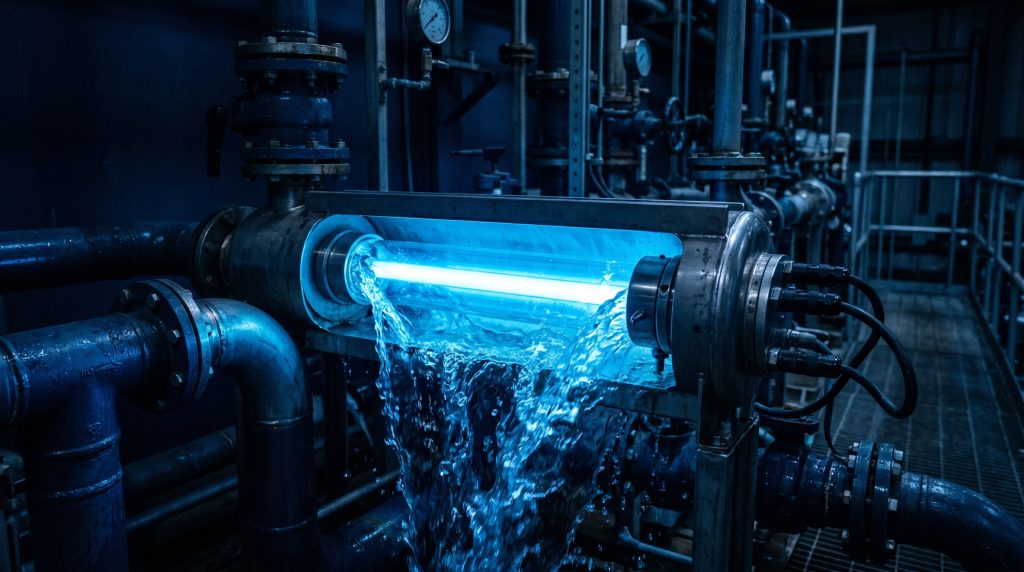
To start with, RO uses reverse osmosis technology where water is pushed through a semi permeable membrane and pure water comes out on the other side.

We believe remineralized reverse osmosis systems represent the perfect convergence of purity and performance.
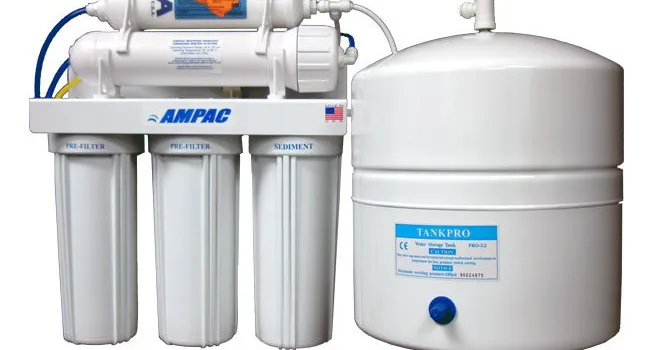
Every home water filter claims to be the best. This comparison sets reverse osmosis against carbon, UV, distillation, alkaline and nanofiltration systems.

The process of converting seawater into fresh drinking water by removing unnecessary and harmful salts is known as Sea Water Desalination.