


Lately, all we hear about is water shortages and how seawater desalination is the answer. Countries in Africa, South America, Asia, and even parts of North America are struggling with a severe water crisis. It’s heartbreaking. Thousands of children go without a single drop of water every day. California lakes have dried up. Farmers in India are facing rising suicide rates due to no rainfall. The lack of this essential resource has pushed many countries to look for technological help from the world’s brightest minds. That’s how the idea of turning seawater into freshwater came about.
Looking at the ocean for an answer
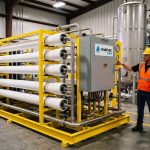
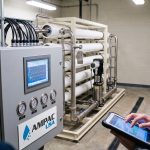
Oceans hold enough water to support us for thousands of years. If all that water were freshwater, we probably wouldn’t have this problem. But then, we might not have realized how important water is so soon. We might have just used it all up inefficiently, leading to our extinction. So, while we’re grateful for Mother Nature’s lessons, we do have a big problem: seawater isn’t good for us to drink. That means a complex reverse osmosis process has to treat every drop of seawater before we can use it. Many desalination plants do this. But we’ve all learned not to make hasty decisions just because something seems beneficial. Building a desalination plant for a country without proper research can be a huge mistake.
Is a desalination plant the right decision?
We know countries consider this option when they face water shortages. But some are taking a smart step: they’re first figuring out the real problem behind the shortage and then finding the best solution. A recent look at South Africa, for example, showed the country’s problem was actually poor distribution and handling of water resources. Now that their lakes are dry, desalination seems like the only choice, but it’s incredibly expensive. This discovery could be true for many other countries. Just installing a desalination plant costs millions of dollars, and a similar amount goes into maintaining and operating it every year.
Managing water resources
Actually, many water problems can be solved simply by managing natural systems better. Sure, desalination plants give you freshwater fast. But using our natural resources efficiently means we can put those funds toward helping the poor, creating jobs, and developing the country. Countries can adopt several water conservation plans and smart water management systems so they don’t have to rely on today’s super expensive technology.
- Start by analyzing how your region’s water system works. Know where water comes from and where it goes.
- Research the problem. Get smart people together to find quick, effective solutions for why water isn’t staying.
- Start re-forestation projects and make better use of unused farm and other lands. Push for eco-friendly projects that mean less deforestation and more tree planting.
- Make efficient water use mandatory at home. Deliver water on a schedule, tell people why saving water is important, and get everyone involved.
- Approve rainwater harvesting projects for homes. Fund research for this, especially its uses in cities.
These steps can really help bring more greenery, and with it, more water to a region. Once that’s done, making sure you have an efficient water management system in place can further help avoid the outcome no one wants to see. If these efforts work, maybe in a few decades, we won’t need desalination technology at all.
Author’s Bio:
Ampac USAis a top manufacturer of advanced reverse osmosis water treatment systems. For over 30 years, we’ve given customers worldwide solutions to their water treatment issues. With a long, impressive track record, Ampac aims to build better reverse osmosis systems for improved quality and cost efficiency.
Frequently Asked Questions
Is seawater desalination always the best solution for water shortages?
Not necessarily. While desalination offers a vital freshwater source, a thorough analysis of the root cause of water shortage is crucial. Issues like poor water distribution and handling systems, as observed in South Africa, may require different or complementary solutions before investing in expensive desalination infrastructure.
How does seawater desalination work to produce drinking water?
Seawater desalination primarily uses Reverse Osmosis (RO) technology. This process involves forcing saline water under high pressure through specialized semi-permeable membranes. These membranes effectively separate dissolved salts and impurities from the water molecules, yielding clean, potable freshwater.
What are the primary costs associated with building and operating a desalination plant?
Desalination plants require substantial financial investment, with installation alone costing millions of dollars. Furthermore, similar amounts are spent annually on maintaining and operating these complex facilities, including significant energy consumption for the Reverse Osmosis process.
Which countries or regions are most impacted by water scarcity and considering desalination?
Countries across Africa, South America, Asia, and parts of North America, such as California, are severely impacted by water scarcity. These regions, facing dried-up lakes and agricultural crises, are increasingly exploring technological solutions like seawater desalination to secure freshwater resources.
Why is Reverse Osmosis (RO) essential for converting seawater into freshwater?
Reverse Osmosis is essential because seawater contains high concentrations of dissolved salts and minerals, making it unsuitable for direct consumption. RO systems, like those designed by AMPAC USA, efficiently remove these impurities by forcing water through specialized membranes, ensuring the resulting freshwater meets health and taste standards.
AMPAC USA engineers custom water purification systems for commercial, industrial, and emergency applications — from 500 GPD to multi-million GPD. Trusted by municipalities, military, and industry worldwide.