How to Choose a Commercial RO System: Complete Buyer’s Guide | AMPAC USA
Buying a commercial reverse osmosis system is a capital equipment decision — the kind where the wrong choice costs more…
Expert insights on water treatment, reverse osmosis, and purification systems
Buying a commercial reverse osmosis system is a capital equipment decision — the kind where the wrong choice costs more…
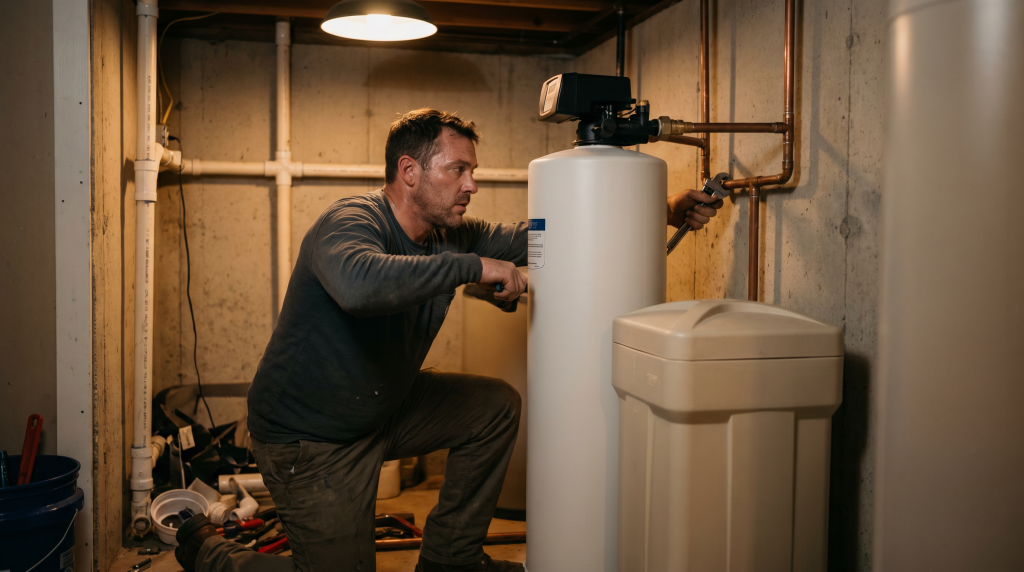
Water softeners and reverse osmosis systems are often confused as doing the same thing. They don’t. A water softener removes
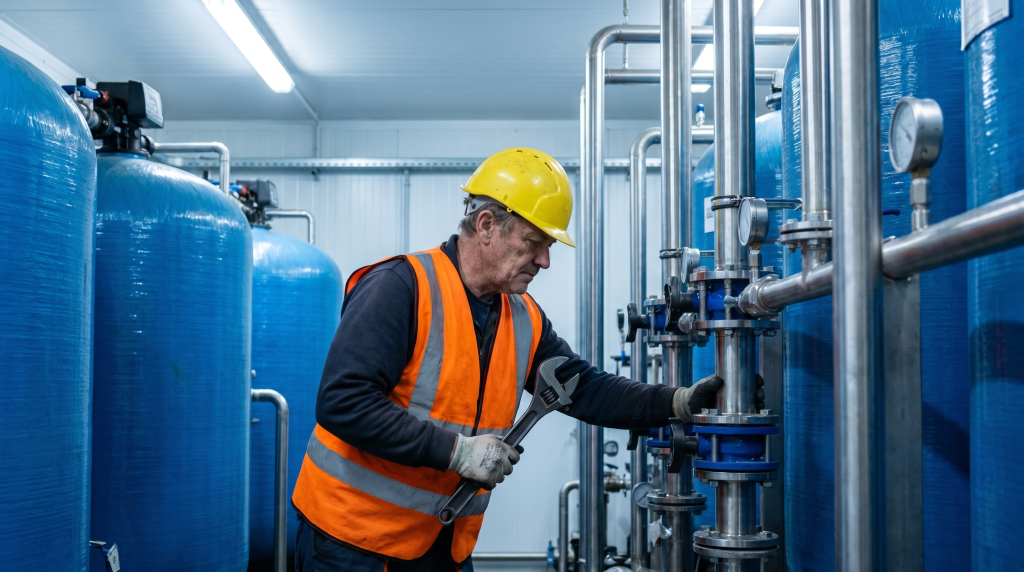
A commercial reverse osmosis system that isn’t maintained will fail quietly — TDS creep, pressure loss, and membrane fouling happen
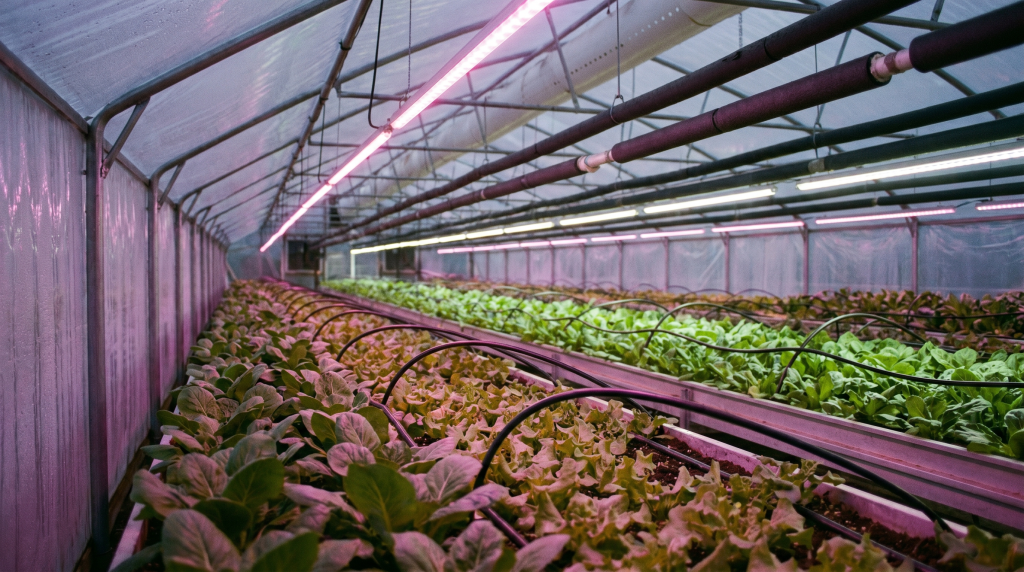
Water quality is a production variable in cannabis cultivation. Source water TDS, mineral content, pH, and the presence of chlorine
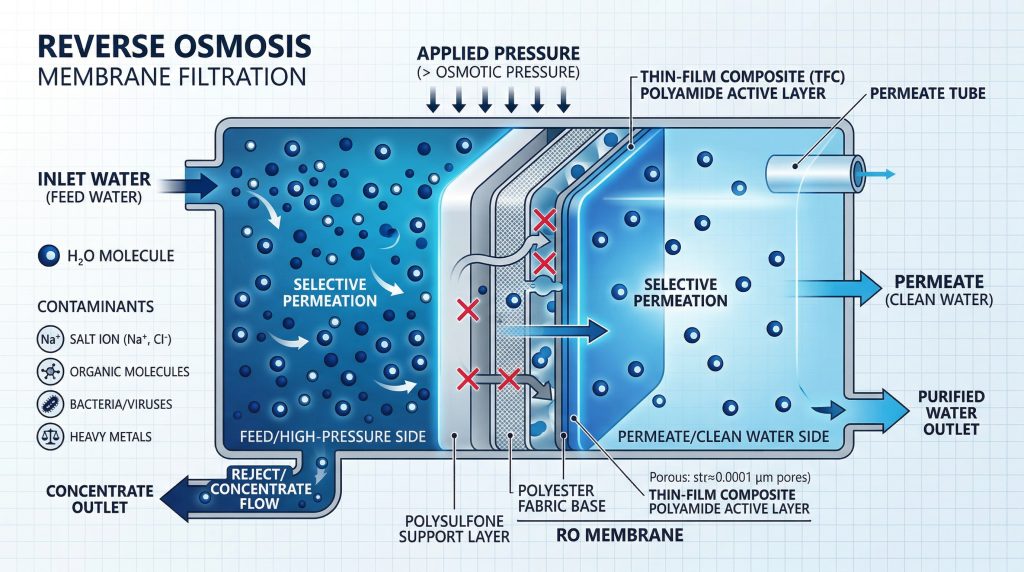
Quick Answer: Reverse osmosis (RO) is a water purification process that forces water through a semipermeable membrane with pores as
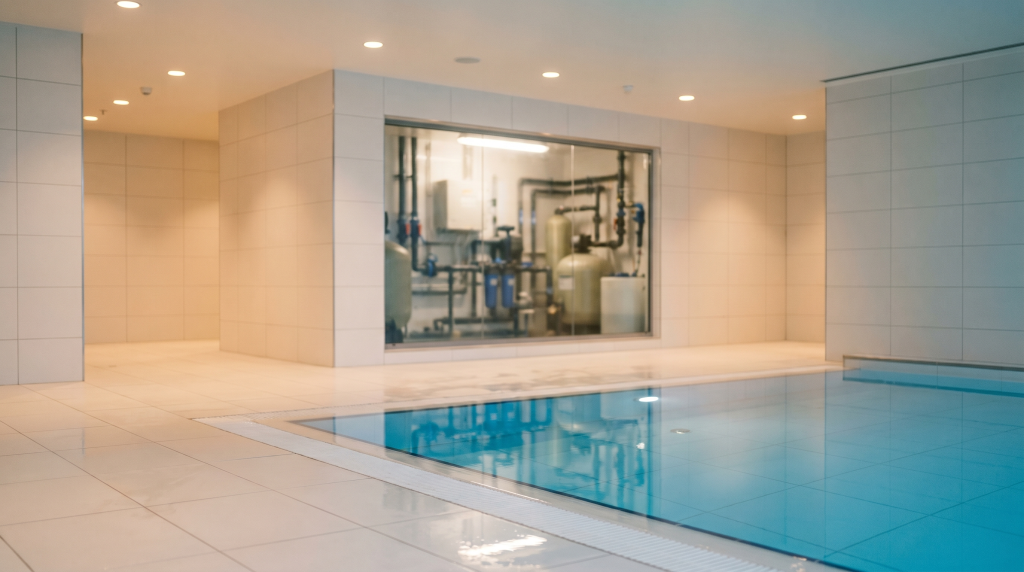
Water quality affects nearly every aspect of a hotel operation — guest satisfaction, equipment maintenance costs, laundry costs, food and
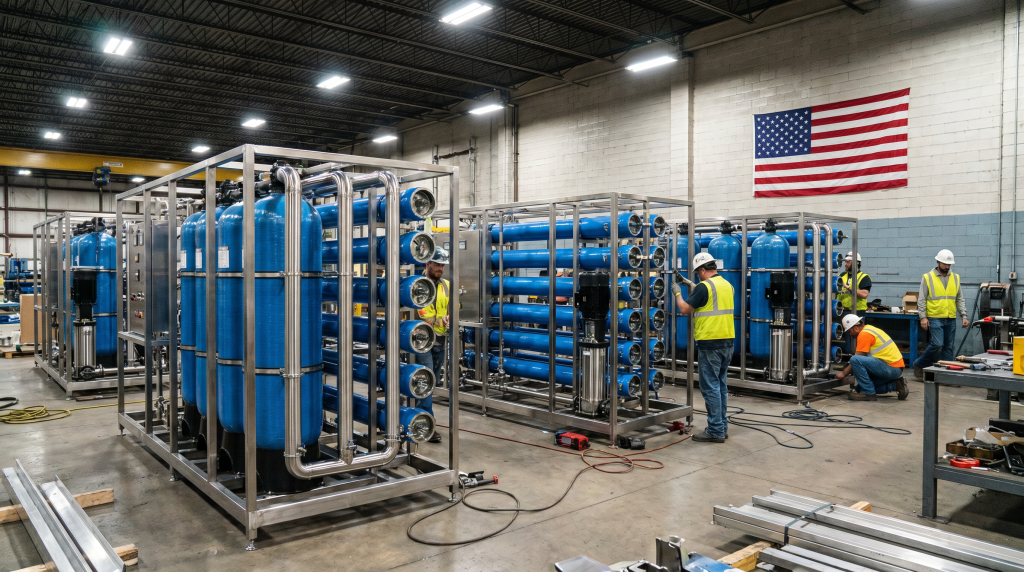
AMPAC USA reverse osmosis systems are designed, engineered, and manufactured in the United States — in Woods Cross, UT. Every
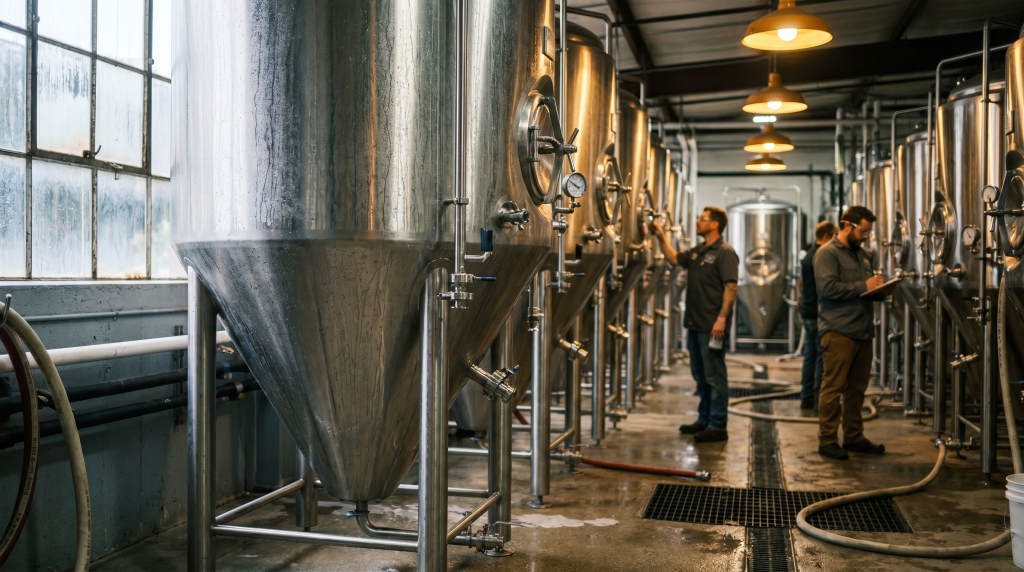
Beer is mostly water — 90-95% of it, by volume. That means water chemistry dictates everything: every flavor compound, every
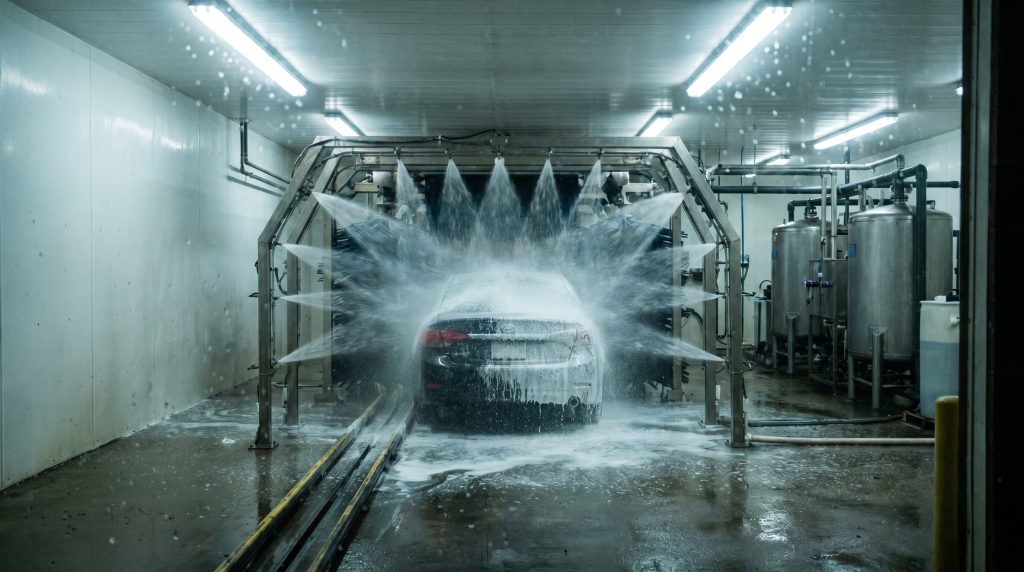
Spot-free rinse is the single biggest differentiator between a car wash that gets repeat customers and one that doesn’t. A
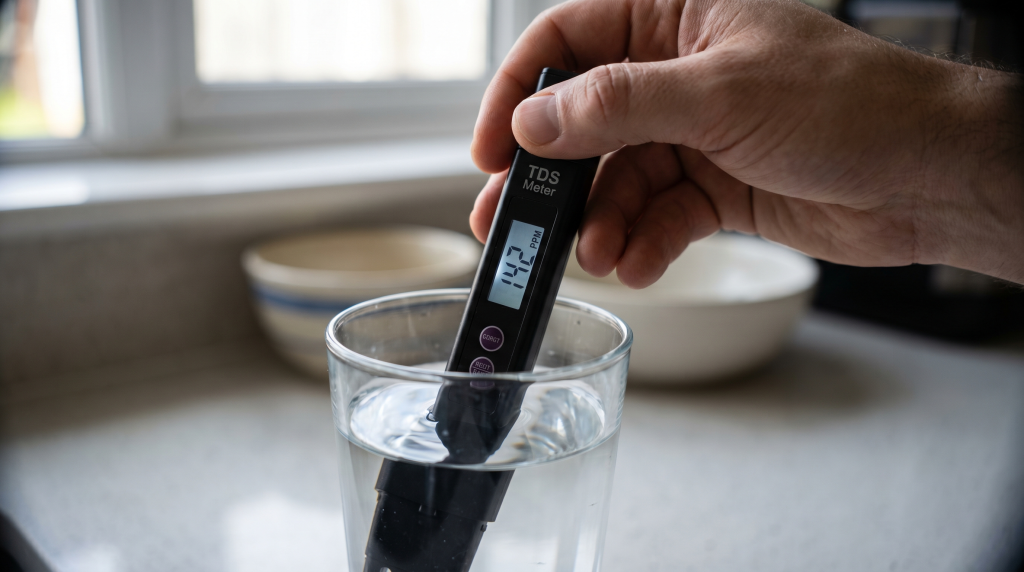
RO water quality comes down to three numbers most people have never looked at: TDS, pH, and conductivity. Understanding what