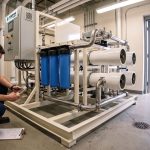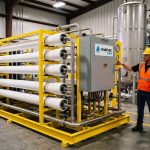

Clean and safe water is essential for nearly every industry—from food and beverage to pharmaceuticals, hospitality, manufacturing, and power generation. Choosing the right water filtration system ensures not only compliance with safety standards but also boosts operational efficiency and product quality. If you’re asking, “what types of water filters are available commercially?“, you’re in the right place. This comprehensive guide, referencing industry-leading solutions by AMPAC USA, explores the most widely used commercial water filtration systems and how they can be tailored to meet your organization’s specific needs.
1. Reverse Osmosis (RO) Systems
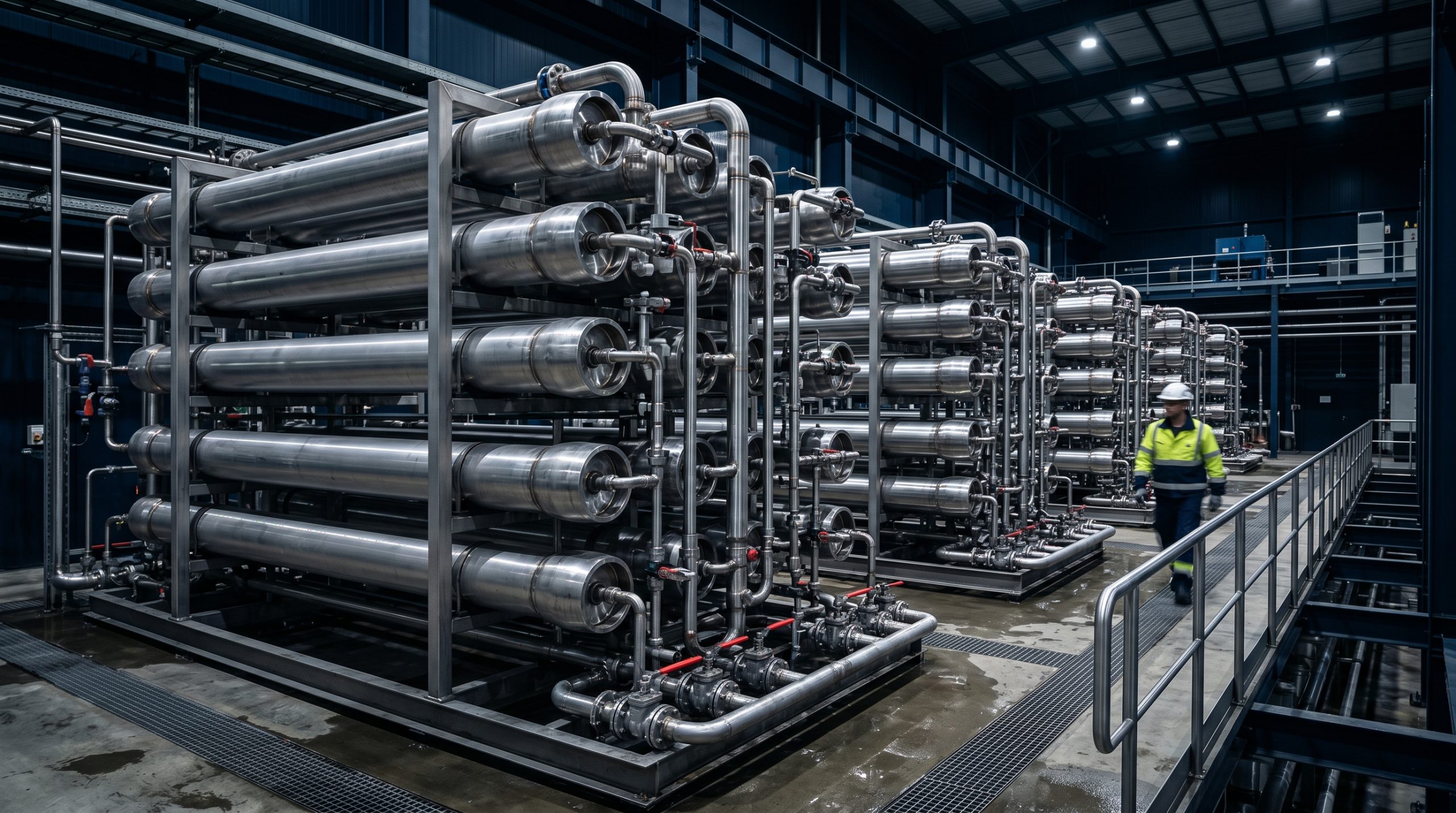
Reverse Osmosis Systems are among the most efficient commercial water filtration solutions, designed to remove up to 99% of contaminants including salts, bacteria, pyrogens, and dissolved solids. AMPAC USA manufactures a wide range of commercial reverse osmosis systems, including:
-
Brackish Water RO Systems
-
Seawater Desalination Systems
-
Wall-Mount RO Units
-
Mobile RO Systems
Best For:
-
Restaurants and cafes
-
Bottled water plants
-
Hotels and resorts
-
Laboratories
-
Marine vessels and offshore rigs
These systems force water through a semi-permeable membrane, separating contaminants and delivering ultra-purified water. AMPAC’s systems are known for their high recovery rates, compact design, and easy maintenance.
2. Ultraviolet (UV) Water Sterilizers
UV water filters are a chemical-free solution that uses ultraviolet light to deactivate microorganisms like bacteria, viruses, and protozoa. These systems are often used in combination with other filters such as carbon or RO units.
Key Advantages:
-
No chemical by-products
-
Instant disinfection
-
Low operating cost
Used In:
-
Hospitals
-
Aquaculture
-
Laboratories
-
Drinking water systems in schools and offices
AMPAC USA’s UV sterilizers ensure microbiological safety without altering the water’s taste or pH level.
3. Activated Carbon Filters
Activated carbon filters are commonly used in pre-filtration stages to remove:
-
Chlorine
-
Organic chemicals
-
Pesticides
-
Unpleasant tastes and odors
These filters work via adsorption, attracting and binding impurities to the carbon surface.
Applications:
-
Beverage production
-
Food processing
-
Commercial kitchens
-
Ice makers
AMPAC USA integrates high-performance granular activated carbon (GAC) filters in its filtration systems to deliver taste and odor-free water for sensitive commercial applications.
4. Multimedia Filters (Sand Filters)
Multimedia filters use multiple layers of filtration media such as:
-
Gravel
-
Sand
-
Anthracite
-
Garnet
These filters remove suspended solids, turbidity, and particulate matter efficiently, often serving as a pretreatment step before RO filtration.
Industries That Rely on Them:
-
Manufacturing
-
Irrigation systems
-
HVAC cooling towers
-
Municipal water plants
AMPAC USA’s custom-engineered multimedia filters ensure longer life and lower backwash frequency, reducing water wastage and maintenance cost.
5. Ion Exchange Systems (Water Softeners and Deionizers)
Ion exchange filters replace unwanted ions in water (such as calcium and magnesium) with more desirable ones (like sodium or hydrogen), effectively reducing hardness or completely deionizing water.
Types:
-
Water Softeners – reduce hardness and scale buildup
-
Deionizers (DI Systems) – remove all ions for ultra-pure water
Common Uses:
-
Steam boilers
-
Laboratory instruments
-
Car washes
-
Pharmaceutical manufacturing
AMPAC’s ion exchange systems ensure scale-free equipment and chemical consistency in critical applications.
6. Sediment Filters
These mechanical filters remove larger particulates like sand, silt, dirt, and rust. They are typically installed at the first stage of any commercial filtration system.
Filter Types:
-
Pleated filters
-
Melt-blown filters
-
String-wound filters
Why Choose AMPAC USA Sediment Filters:
-
High dirt-holding capacity
-
Easy to replace cartridges
-
Integral pre-filtration step before advanced treatment systems
7. Ozonation Systems
Ozone filters inject ozone gas into the water, a powerful oxidizing agent that disinfects and eliminates organic contaminants, microorganisms, and biofilm.
Industries Benefiting from Ozonation:
-
Bottling plants
-
Food rinsing facilities
-
Wastewater treatment
-
Swimming pool operations
AMPAC USA’s ozonation units provide high oxidation potential with no residual taste, making them ideal for potable and rinse water applications.
8. Commercial Water Dispensers with Filtration
AMPAC USA also offers coin-operated and commercial water dispensers that come integrated with filtration systems. These units are particularly useful for:
-
Retail water refill stations
-
Apartment complexes
-
Offices and hospitals
Each dispenser is equipped with carbon filters, UV sterilizers, and RO systems for providing clean, on-demand drinking water.
9. Portable Water Filtration Systems
For military and emergency relief operations, AMPAC USA offers mobile water purification trailers and backpack water filtration kits. These are designed to convert:
-
Contaminated surface water
-
Seawater
-
Brackish sources
into clean, potable water instantly.
Key Features:
-
Plug & play operation
-
Durable and rugged design
-
Rapid deployment in field situations
10. Custom Engineered Filtration Solutions
Many commercial establishments have unique water challenges depending on:
-
Source water quality
-
End-use application
-
Regulatory compliance
AMPAC USA offers fully customized water treatment systems, engineered to solve problems like:
-
High TDS levels
-
Heavy metal contamination
-
Microbial load
-
Seasonal water quality changes
With in-house R&D, engineering, and global deployment expertise, AMPAC ensures that clients get turnkey filtration solutions, complete with installation and training support.
Choosing the Right Commercial Water Filter: Key Considerations
When exploring what types of water filters are available commercially, businesses must evaluate the following:
-
Source Water Type: Tap, brackish, seawater, or well water
-
Contaminant Load: Microbial, chemical, particulate, or mineral
-
Required Flow Rate: Gallons per day (GPD) or liters per hour
-
End-Use Purpose: Drinking, manufacturing, sterilization, irrigation
-
Certifications: NSF, ISO, FDA-compliant for certain industries
AMPAC USA provides free consultations and water analysis to help businesses choose the most effective and cost-efficient filtration setup.
Conclusion: What Types of Water Filters Are Available Commercially?
From Reverse Osmosis and UV sterilizers to activated carbon, ion exchange, and custom-engineered multi-stage systems, the commercial water filter market offers a wide array of options tailored to specific needs. AMPAC USA stands out as a global leader in providing innovative, reliable, and sustainable commercial filtration solutions.
If you’re still wondering what types of water filters are available commercially, visit www.ampac1.com or speak with an expert today to design the right system for your business.
Get Started With AMPAC USA Today
📞 Call: +1 (877) 611-8530
🌐 Website: https://www.ampac1.com
📍 Serving clients worldwide with cutting-edge commercial water filtration technology
Frequently Asked Questions
What contaminants do commercial reverse osmosis systems remove?
Commercial reverse osmosis (RO) systems are highly efficient, designed to remove up to 99% of contaminants like salts, bacteria, pyrogens, and dissolved solids. These systems force water through a semi-permeable membrane, delivering ultra-purified water for critical applications. AMPAC USA’s RO systems are known for their high recovery rates and compact design, ensuring superior water quality.
What are the key advantages of using UV water sterilizers commercially?
Commercial UV water sterilizers offer chemical-free disinfection by deactivating microorganisms such as bacteria, viruses, and protozoa using ultraviolet light. Key advantages include no chemical by-products, instant disinfection, and low operating costs. AMPAC USA’s UV sterilizers ensure microbiological safety without altering the water’s taste or pH level, making them ideal for hospitals and drinking water systems.
How do activated carbon filters improve water quality in commercial applications?
Activated carbon filters significantly improve water quality in commercial settings by removing chlorine, organic chemicals, pesticides, and unpleasant tastes and odors. They work via adsorption, binding impurities to the carbon surface, making them essential for pre-filtration stages. AMPAC USA integrates high-performance granular activated carbon (GAC) filters to deliver taste and odor-free water for sensitive applications like beverage production and commercial kitchens.
Which industries benefit most from AMPAC USA’s commercial water purification systems?
AMPAC USA’s commercial water purification systems are crucial for industries where clean water is paramount, including food and beverage, pharmaceuticals, hospitality, manufacturing, and power generation. Our systems are specifically designed for demanding environments like offshore oil rigs, military bases, luxury resorts, and municipalities across 150+ countries. This ensures compliance with safety standards and boosts operational efficiency.
What types of commercial RO systems does AMPAC USA offer?
AMPAC USA manufactures a diverse range of commercial reverse osmosis (RO) systems tailored for various needs. These include Brackish Water RO Systems, Seawater Desalination Systems for marine environments, Wall-Mount RO Units for space-saving installations, and Mobile RO Systems for flexible deployment. Our RO solutions are known for their high recovery rates, compact design, and easy maintenance.
Related Articles
- How Natural Disasters Impact Water Infrastructure & How AMPAC USA RO Systems Protect Your Supply
- Commercial vs. Residential Reverse Osmosis Systems: Ampac USA
- Top 5 Commercial Reverse Osmosis Systems by AMPAC USA
- All You Need To Know About A 5 Stage Reverse Osmosis System – AMPAC USA
Conclusion
This post explored how reverse osmosis technology delivers high-purity water across a wide range of residential, commercial, and industrial applications. For businesses and organizations requiring reliable RO purification, AMPAC USA engineers custom systems tailored to your specific water quality requirements and flow demands. Contact our team at info@ampac1.com or (909) 548-4900 to discuss your water treatment needs.
AMPAC USA engineers custom water purification systems for commercial, industrial, and emergency applications — from 500 GPD to multi-million GPD. Trusted by municipalities, military, and industry worldwide.