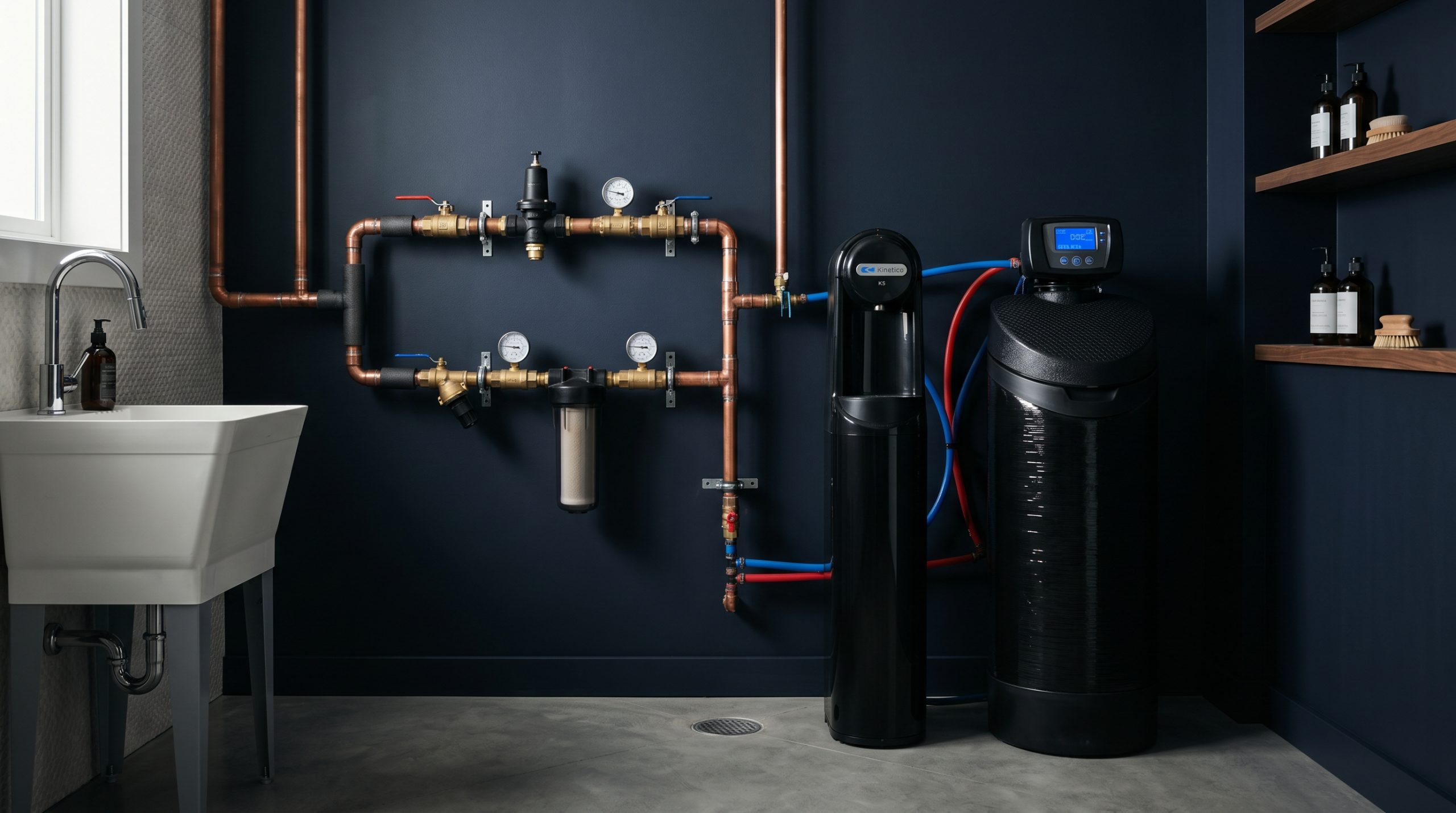

If you rely on a water softener system to combat hard water issues in your home or facility, keeping the salt levels maintained is critical. But what really happens if your water softener runs out of salt? The consequences may not be immediate, but they can lead to noticeable water quality degradation, appliance damage, and increased utility bills.
In this comprehensive blog from AMPAC USA, a global leader in advanced water treatment technologies, we’ll explore the impact of running out of salt in a water softener, what signs to look for, how to prevent it, and how to maintain your system for optimal performance.
Understanding the Role of Salt in a Water Softener
Before diving into what happens when your water softener runs out of salt, let’s understand why salt is essential to begin with.
How Water Softeners Work
Water softeners work through a process called ion exchange, where calcium and magnesium ions (responsible for hard water) are removed and replaced with sodium or potassium ions. The resin beads inside the softener attract these hard minerals.
However, these resin beads need to be “recharged” periodically — and that’s where salt (sodium chloride) comes in. Salt creates a brine solution during the regeneration cycle that flushes out the minerals and rejuvenates the beads for future cycles.
AMPAC USA Carries a Complete Line of Water Softeners and Water Conditions – CLICK HERE
What Happens If My Water Softener Runs Out of Salt?
Letting your water softener run out of salt can have several negative consequences:
1. Hard Water Returns
The most obvious sign is that you’ll start noticing hard water problems again. These include:
-
Soap and shampoo not lathering well
-
Spots and film on dishes and glassware
-
Mineral buildup around faucets and showerheads
-
Dry, itchy skin and dull hair
-
Stiff laundry and faded clothing
Without salt, the resin beads in your softener can’t remove hardness minerals, so your water essentially bypasses the softening process.
2. Scale Buildup on Appliances and Plumbing
Hard water leads to scale formation, especially in appliances like water heaters, washing machines, and dishwashers. Over time, this reduces their efficiency and lifespan. Scale can also accumulate inside pipes, leading to blockages and increased maintenance costs.
3. Increased Energy Bills
When your water softener runs out of salt, water heaters become less efficient due to scale buildup. They consume more energy to heat water, driving up utility bills.
4. Reduced Appliance Lifespan
Hard water causes premature wear and tear on appliances. Washing machines, dishwashers, and even coffee makers can break down sooner, leading to frequent repairs or replacements.
5. Resin Bed Damage
If the softener continues to operate without salt, the resin bed can become permanently fouled with calcium and magnesium. This makes regeneration less effective, even after salt is refilled. In severe cases, the entire resin bed may need to be replaced, which can be costly.
Signs Your Water Softener Is Out of Salt
It’s important to recognize the early signs that your softener may be running on empty:
-
Water tastes different – a slight metallic or mineral taste
-
Clothes feel stiff after washing
-
Spotting or streaking on dishes and silverware
-
White buildup around faucets or in kettles
-
Skin irritation or dull hair after bathing
Many modern systems include a low salt indicator, but even if yours doesn’t, checking the brine tank regularly is a simple preventive measure.
How Often Should You Refill Salt in a Water Softener?
How frequently you need to add salt depends on several factors:
-
Water hardness level in your area
-
Size of the softener and its resin tank
-
Number of people using water in the household or facility
-
Type of salt used – pellets, crystals, or blocks
On average, residential systems need a refill every 4 to 6 weeks, while larger or commercial systems may need it more frequently.
How to Refill the Salt in a Water Softener
Refilling your water softener is simple:
-
Open the brine tank lid and check salt level
-
If salt is low (below halfway), add more — use high-purity salt for best results
-
Avoid overfilling – leave at least 4–6 inches from the top
-
Check for salt bridges (hardened crust) and break them up if needed
-
Run a manual regeneration cycle, especially if the softener has been empty for a while
What to Do If You Forgot to Add Salt
If you realize your water softener has been running without salt, follow these steps:
1. Refill Immediately
Add the appropriate salt back into the tank. If the brine tank is dry, give the system 2–3 hours for salt to dissolve into a usable brine solution.
2. Run a Manual Regeneration
Trigger a manual regeneration cycle to recharge the resin beads and flush out any accumulated minerals.
3. Check for Resin Damage
If hard water symptoms persist even after regeneration, the resin bed may have been compromised. Contact a water treatment expert like AMPAC USA to inspect or replace the resin.
Why Choose AMPAC USA for Water Softener Systems and Maintenance
AMPAC USA is a leading manufacturer and provider of advanced water purification systems, including reverse osmosis systems, commercial softeners, and brine management solutions.
What Sets AMPAC USA Apart?
-
High-efficiency softeners with programmable controls
-
Durable, corrosion-resistant tanks
-
Professional-grade brine tanks to minimize salt bridging
-
Smart technology for salt level monitoring and maintenance alerts
-
24/7 support and maintenance services
-
Eco-friendly options that minimize water and salt usage
With AMPAC USA, you don’t just get a water softener — you get peace of mind, knowing that your system is supported by cutting-edge technology and decades of expertise.
Tips to Prevent Running Out of Salt in Your Water Softener
-
Set Calendar Reminders – Refill on the same day each month
-
Install a Low-Salt Alert System – Some AMPAC USA models have this built-in
-
Buy Salt in Bulk – Keep bags stored in a dry area
-
Keep Records – Note how long it takes to use up a bag of salt
-
Regular Maintenance Checks – Especially in high-usage months like summer
Frequently Asked Questions
Why is salt crucial for a water softener’s operation?
Salt is essential for the regeneration cycle of a water softener, which recharges the resin beads. During this process, salt creates a brine solution that flushes out accumulated calcium and magnesium ions, allowing the beads to continue removing hardness minerals from your water. Without salt, the ion exchange process cannot occur effectively.
What are the immediate signs that my water softener has run out of salt?
The most noticeable signs are the return of hard water symptoms. You’ll observe soap and shampoo not lathering well, spots and film on dishes, mineral buildup around faucets, and potentially dry skin or dull hair. These indicate the softener’s resin beads are no longer being regenerated.
How does an empty water softener salt tank impact household appliances?
An empty salt tank leads to hard water flowing through your plumbing, causing scale buildup on appliances like water heaters, washing machines, and dishwashers. This scale reduces their efficiency, shortens their lifespan, and can lead to increased maintenance costs. AMPAC USA emphasizes that preventing scale is key to appliance longevity.
Can running out of salt in my water softener increase my energy bills?
Yes, it can significantly increase energy consumption. When hard water flows untreated, scale forms inside water heaters, creating an insulating layer that forces the unit to work harder and consume more energy to heat water. This directly translates to higher utility bills.
What is the ion exchange process in a water softener?
Ion exchange is the fundamental process by which water softeners remove hardness minerals. Calcium and magnesium ions, responsible for hard water, are attracted to and captured by specialized resin beads within the softener. These hard ions are then exchanged for sodium or potassium ions, resulting in softened water.
Trust AMPAC USA for Total Water Quality Solutions
If you want to avoid the risks of running out of salt, invest in a smart, reliable softener system from AMPAC USA. Our systems are designed for durability, efficiency, and low maintenance, making them ideal for residential, commercial, and industrial applications.
And if you’re already facing issues from a salt-depleted water softener, we offer:
-
Professional diagnostics and resin replacement
-
Custom water treatment consultations
-
Ongoing maintenance contracts
Don’t let hard water take over your pipes, appliances, and skin. AMPAC USA has your back.
Conclusion: Keep the Salt Flowing for Soft Water Peace of Mind
Running out of salt in your water softener might seem like a small oversight, but it can have big consequences. From dry skin to appliance damage and higher utility costs, the effects of hard water creep in quickly when the softener can’t do its job.
By staying on top of salt refills, performing regular system checks, and choosing a high-performance solution from AMPAC USA, you can keep your water soft and your household running smoothly.
Need Help? Contact AMPAC USA Today!
📞 Call: 909-548-4900
🌐 Website: www.ampac1.com
✉️ Email: info@ampac1.com
Experience the difference of truly softened water — powered by AMPAC USA.
Related Articles
- Best Water Softener Salt: A Complete Guide to Choosing the Right Option
- Understanding Tannin in Water: Causes, Effects, and Effective Filtration Solutions
- What is TDS Level in Water & Why Should You Measure It?
- Data Says There Will Be a Rise in Demand of Alkaline Water- All You need to Know
Conclusion
This post reviewed the production methods, health considerations, and commercial opportunities associated with alkaline water systems. For businesses and organizations looking to offer premium alkaline water products, AMPAC USA provides turnkey purification and remineralization solutions. Contact our team at info@ampac1.com or (909) 548-4900 to discuss your alkaline water project.
AMPAC USA engineers custom water purification systems for commercial, industrial, and emergency applications — from 500 GPD to multi-million GPD. Trusted by municipalities, military, and industry worldwide.