
In today’s world, freshwater scarcity is one of the most pressing global challenges, especially in coastal regions and arid zones. As the population grows and climate change continues to affect rainfall and freshwater resources, many nations are turning to seawater desalination systems to secure sustainable and reliable drinking water. At AMPAC USA, we specialize in delivering energy-efficient seawater desalination system designed for both industrial and municipal use.
In this comprehensive guide, we’ll dive deep into the importance, functionality, and benefits of these systems, showing how they’re revolutionizing access to clean water.
What is a Seawater Desalination System?
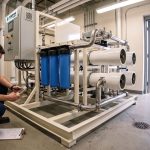
A seawater desalination system is a water treatment solution that removes dissolved salts and minerals from seawater, making it safe for human consumption, agriculture, and industrial use. The most commonly used process is reverse osmosis (RO), where seawater is pushed through a semi-permeable membrane that filters out salt, bacteria, and other impurities.
At AMPAC USA, our seawater desalination systems are engineered with advanced technology to ensure maximum efficiency, low energy consumption, and long-lasting performance.
Read: Desalination and Conservation Are the Answer to Drought
Why Seawater Desalination is Vital
1. Global Water Shortage
According to the United Nations, over 2 billion people live in countries experiencing high water stress. Coastal and island nations, in particular, often lack sufficient freshwater sources, making seawater desalination systems a critical lifeline.
2. Drought-Prone Regions
Areas like California, the Middle East, and parts of Africa face chronic droughts. For them, tapping into the vast reserves of seawater is not just an option – it’s a necessity.
3. Sustainable Industrial Growth
Industrial sectors such as oil & gas, power generation, and hospitality demand a consistent and clean water supply. Seawater desalination system help meet these needs without depleting natural freshwater sources.
How Seawater Desalination Systems Work
Step-by-Step Process
- Intake
Seawater is pumped from an ocean or sea source into the treatment plant. - Pre-treatment
This step removes large debris, sand, and biological contaminants. Filters and chemical dosing are applied to protect the membranes. - High-Pressure Pumping
The pre-treated seawater is then pressurized using high-efficiency pumps. - Reverse Osmosis Membranes
Under high pressure, water is forced through RO membranes, separating salt and impurities from the water molecules. - Post-treatment
The desalinated water is re-mineralized and disinfected for safe use. - Brine Disposal
The concentrated saltwater byproduct (brine) is carefully managed and discharged according to environmental regulations.
Read: Seawater Desalination: Tapping into Seawater’s Potential for Drinkable Water
Types of Seawater Desalination Systems Offered by AMPAC USA
1. Land-Based Desalination Plants
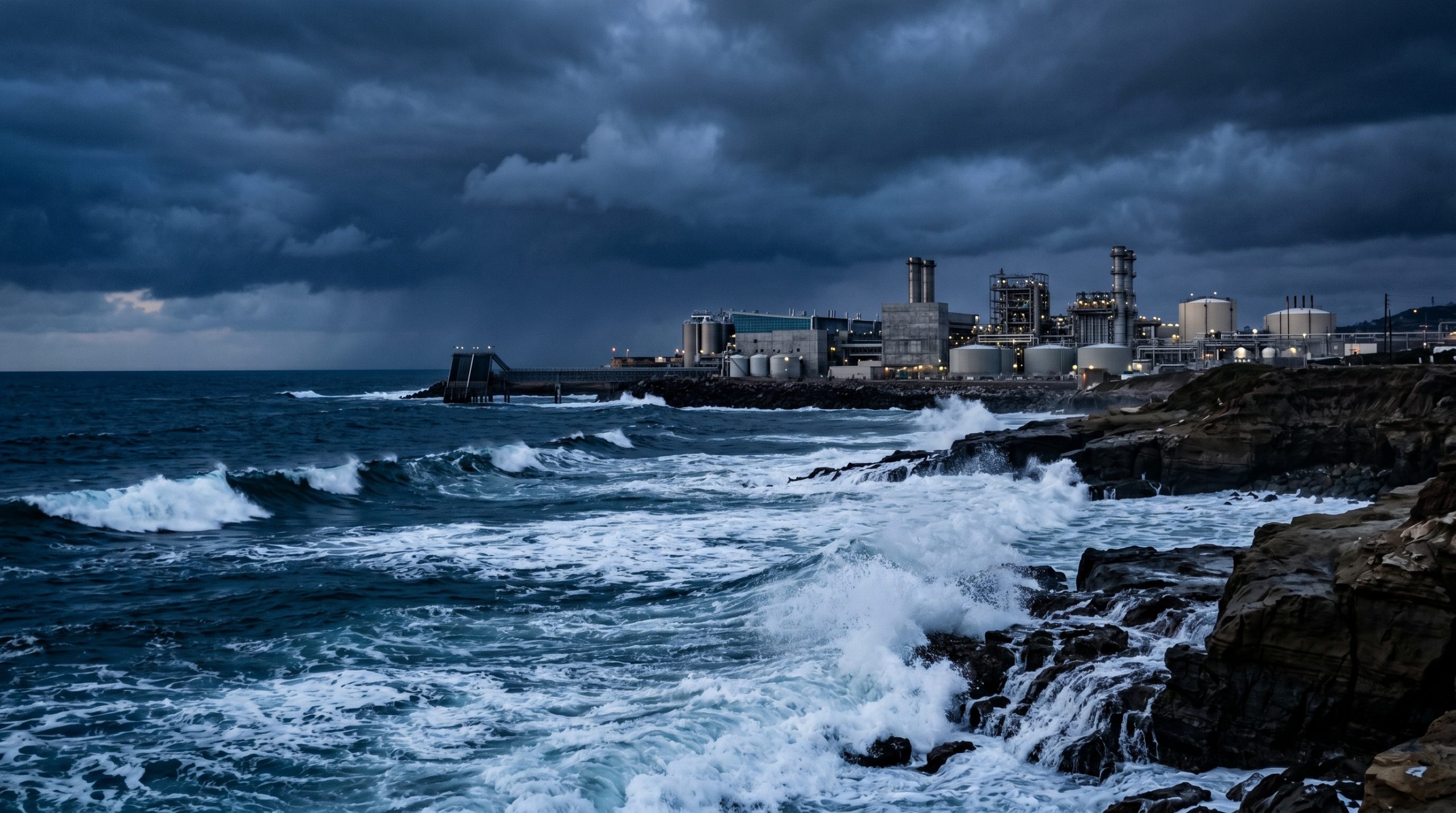
Ideal for coastal municipalities, resorts, and industrial facilities, these systems offer high production capacity and automated operations.
2. Containerized Desalination Units
Housed in 20′ or 40′ shipping containers, these mobile units are plug-and-play solutions perfect for disaster relief, military bases, and remote communities.
3. Offshore & Marine Desalination Systems
Designed specifically for ships, yachts, and offshore rigs, these compact and rugged systems deliver reliable water even in the harshest sea conditions.
4. Solar-Powered Desalination Systems
For regions with limited electricity, AMPAC USA provides solar-integrated desalination systems that operate sustainably with minimal environmental footprint.
Key Features of AMPAC USA’s Seawater Desalination Systems
- High Recovery Rate: Efficient water output with minimal waste.
- Corrosion-Resistant Materials: Marine-grade stainless steel ensures longevity.
- Energy Efficiency: Designed for low energy consumption without sacrificing performance.
- Smart Monitoring Systems: Real-time monitoring for pressure, flow rate, and water quality.
- Custom Engineering: Tailored solutions for specific project requirements.
Benefits of Seawater Desalination Systems
1. Reliable Water Supply
Unlike rivers and lakes that are affected by seasonal changes, the ocean is a consistent source of water. Desalination ensures round-the-clock availability.
2. Improved Public Health
Access to clean water means fewer waterborne diseases and better community health outcomes.
3. Economic Development
By securing water for industries and agriculture, desalination supports job creation and economic stability.
4. Emergency Preparedness
Natural disasters often disrupt water infrastructure. AMPAC USA’s portable seawater desalination systems provide rapid deployment in emergencies.
5. Environmental Sustainability
Our systems are engineered to minimize brine impact and optimize energy use, aligning with global sustainability goals.
Applications Across Sectors
– Municipal Use
Supplying drinking water to towns and cities with limited freshwater resources.
– Industrial Facilities
Supplying ultrapure process water for refineries, manufacturing plants, and data centers.
– Hospitality Sector
Hotels and resorts in remote islands use our systems to provide clean water to guests without relying on water delivery.
– Agriculture
Irrigation of crops using desalinated water supports food production in arid regions.
– Military & Government
Portable and rugged systems ideal for troops deployed in remote or disaster-struck areas.
Seawater Desalination and Environmental Considerations
While desalination is a powerful solution, it must be managed responsibly. AMPAC USA incorporates sustainable practices such as:
- Energy Recovery Devices (ERD): To reduce operational costs and carbon footprint.
- Environmentally Safe Brine Disposal: Compliance with local and international regulations.
- Eco-Friendly Materials: Use of non-toxic, recyclable materials in system components.
Our commitment to the environment ensures that water access doesn’t come at the expense of marine ecosystems.
Case Studies: AMPAC USA in Action
1. Maldives Resort
Challenge: No natural freshwater source.
Solution: AMPAC USA installed a containerized 5,000 GPD seawater desalination system.
Result: 24/7 water supply for guests and staff, eliminating the need for bottled water delivery.
2. Middle East Oil & Gas Site
Challenge: Remote desert location with brackish groundwater.
Solution: AMPAC USA deployed a hybrid solar-desalination system.
Result: Continuous water supply with reduced diesel consumption, saving operational costs.
Why Choose AMPAC USA for Seawater Desalination Systems
- Over 30 years of experience. We have built seawater desalination systems since 1994 for customers in more than 150 countries, including navies and offshore operators.
- Complete projects. We design and build the system, then support you through installation and maintenance.
- Standards that fit the job. Systems are designed to meet the standards that apply to each model and application.
- A range to choose from. Browse our seawater desalination watermakers, including military and solar options.
- People to call. Our engineers are available Monday to Friday, 8:00 AM to 5:00 PM Mountain Time, and we answer quote requests within 24 hours.
Frequently Asked Questions (FAQs)
How does a seawater desalination system work?
A seawater desalination system primarily uses reverse osmosis (RO) to remove dissolved salts and minerals. Seawater is first pumped from its source and pre-treated to remove large debris and contaminants. It is then pressurized by high-efficiency pumps and forced through semi-permeable membranes, which filter out salts, bacteria, and other impurities, yielding clean, potable water.
What is reverse osmosis in seawater desalination?
In seawater desalination, reverse osmosis (RO) is the most commonly used process for purification. Pre-treated seawater is pushed under high pressure through a semi-permeable membrane. This membrane allows water molecules to pass through while effectively rejecting dissolved salts, minerals, and other contaminants, producing safe water for consumption, agriculture, and industrial use.
Why is seawater desalination vital for global water supply?
Seawater desalination is vital because over 2 billion people live in countries experiencing high water stress, particularly in coastal and drought-prone regions like California and the Middle East. It provides a critical, sustainable lifeline by converting abundant ocean water into potable water. This supports human consumption, agriculture, and industrial growth without depleting scarce natural freshwater sources.
What types of organizations or industries benefit from seawater desalination systems?
Seawater desalination systems benefit a wide range of organizations, including municipalities, luxury resorts, and military bases, as well as industrial sectors such as oil & gas, power generation, and food & beverage plants. AMPAC USA designs systems for these diverse clients, providing a consistent, clean water supply essential for operations and community needs, especially in water-stressed regions.
How do AMPAC USA’s seawater desalination systems ensure efficiency and performance?
AMPAC USA’s seawater desalination systems are engineered with advanced technology to ensure maximum efficiency, low energy consumption, and long-lasting performance. Our designs leverage over 30 years of direct field experience from diverse installations, utilizing high-efficiency pumps and robust pre-treatment to protect membranes and deliver reliable water purification solutions.
Conclusion
Seawater desalination works because it removes the one constraint that limits every other water source: dependence on rainfall. Whether it’s a containerized unit serving a resort, an offshore system supporting marine operations, or a land-based plant feeding a municipal supply, the same reverse osmosis process is doing the work of turning an effectively unlimited source into usable fresh water. That’s especially valuable in drought-prone regions, where conservation alone can’t make up for years of below-average rainfall — see our related piece on desalination and conservation as drought solutions for more on that pairing. Contact our team at info@ampac1.com or (909) 548-4900 to discuss a seawater desalination system for your municipality, facility, or operation.