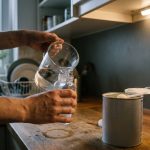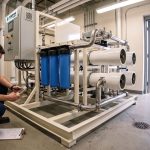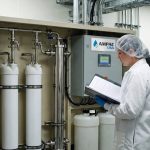

Drought is no longer a regional anomaly – it is a recurring condition that water planners must design around. When precipitation fails for seasons or years at a time, reservoirs drop, aquifer levels decline, and communities that built their infrastructure around historical rainfall averages find themselves in a structural water deficit. Two strategies, used together, offer the most durable path out: desalination and water conservation.
Why Conservation Alone Is Not Enough
Conservation reduces demand – but it cannot create new supply. A community in severe drought can mandate reduced irrigation, low-flow fixtures, and outdoor watering restrictions, and still face a supply gap if the underlying sources – rivers, reservoirs, and aquifers – have dropped below functional levels. California’s experience during the 2012-2017 drought illustrated this clearly: aggressive statewide conservation measures reduced urban per-capita water use by 24%, but reservoir levels in the Sacramento-San Joaquin system still reached historic lows. Conservation buys time. It does not solve supply-side deficits.
That said, conservation is the lowest-cost component of any drought resilience strategy. The EPA WaterSense program estimates that water-efficient fixtures and appliances can reduce household water use by 20-30% with no change in quality of life. At the municipal scale, fixing distribution system leaks – which average 15-30% of treated water volume in US systems – can recover significant supply before any new source development is required.
Desalination as a Drought-Proof Supply Source
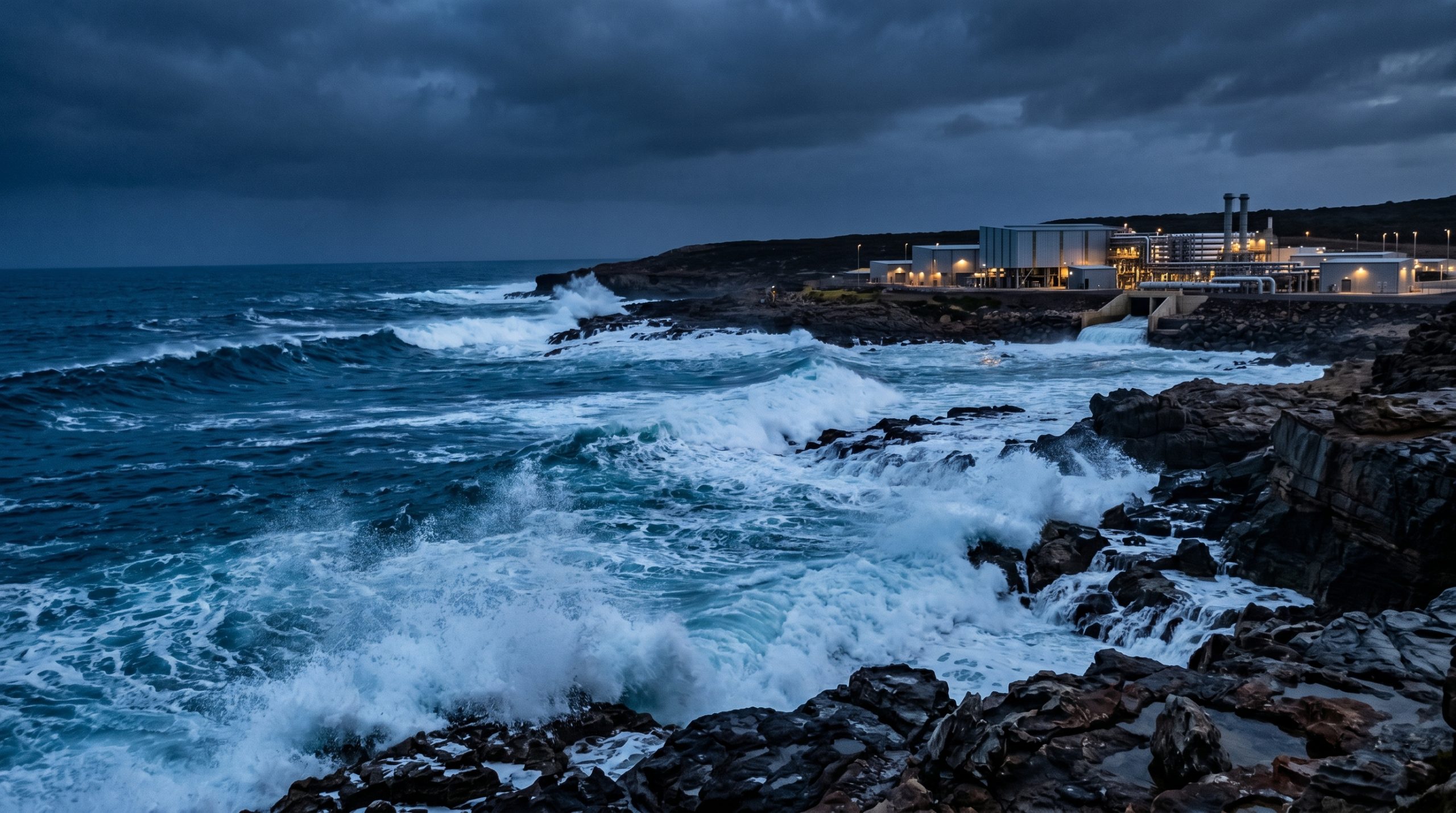
Seawater desalination produces water that is independent of precipitation, snowpack, and river flow. It is, in the language of water planners, a “drought-proof” supply – the ocean does not go into shortage. For coastal communities and regions within pipeline distance of the coast, desalination can provide a firm baseline supply that remains constant while other sources fluctuate with climate conditions.
The economics of desalination have improved substantially over the past 20 years. The Water Research Foundation documents that the cost of SWRO has declined from roughly $1,000 per acre-foot in the early 2000s to $700-$900 per acre-foot at modern large-scale plants, driven by membrane efficiency improvements, energy recovery devices, and better system engineering. For comparison, imported water in drought-stressed California markets trades at $1,000-$1,500 per acre-foot during shortage periods.
The Carlsbad Desalination Plant in San Diego County – the largest in the Western Hemisphere at 50 million gallons per day – provides approximately 10% of San Diego County’s water supply and serves as a model for coastal drought resilience. The American Membrane Technology Association (AMTA) tracks similar projects under development across Florida, Texas, and the Gulf Coast.
Inland Solutions: Brackish Water Desalination
Communities without ocean access are not without desalination options. Brackish water reverse osmosis – treating inland groundwater with TDS levels between 1,000 and 10,000 ppm – is a well-established technology deployed across Texas, Arizona, New Mexico, and other arid western states. Brackish RO operates at significantly lower energy cost than seawater RO (typically 0.5-1.5 kWh per 1,000 gallons vs. 3-5 kWh for SWRO) and can tap aquifers that are too saline for direct consumption but far less demanding than seawater.
The Texas Water Development Board has funded numerous brackish groundwater desalination studies and projects, recognizing that the Permian Basin and other regional aquifers contain substantial brackish reserves that can supplement stressed freshwater systems.
Wastewater Recycling: The Third Leg of Drought Resilience
Advanced treated wastewater – “water recycling” in regulatory terminology – is increasingly accepted as a municipal supply source in drought-prone regions. Indirect potable reuse (IPR) treats wastewater to drinking water standards, then injects it into groundwater basins or surface reservoirs before re-extraction. Direct potable reuse (DPR), which treats and delivers recycled water without an environmental buffer, is now permitted in Texas and Colorado and under regulatory development in California.
Water recycling does not eliminate water – it recaptures and reuses water that would otherwise be discharged. For inland communities without access to brackish aquifers or the coast, it represents the most cost-effective method of expanding supply without new infrastructure development.
AMPAC USA Drought Resilience Systems
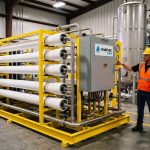
AMPAC USA manufactures seawater and brackish water reverse osmosis systems, containerized emergency water production units, and municipal-scale RO systems designed for drought resilience applications. Whether you are a municipality planning long-term supply augmentation or an industrial facility hardening against water supply disruption, our engineering team can specify the right system for your source water and flow requirements. Contact AMPAC USA to begin the conversation.
Frequently Asked Questions
Why is water conservation alone insufficient for severe drought?
While essential for reducing demand, conservation cannot create new water supply. During severe droughts, underlying sources like rivers and aquifers can drop below functional levels, leaving a supply gap even with aggressive conservation efforts, as seen in California’s 2012-2017 drought where a 24% reduction in urban use still resulted in historic low reservoir levels.
How have desalination costs changed over the past two decades?
The economics of seawater reverse osmosis (SWRO) desalination have improved substantially, with costs declining from approximately $1,000 per acre-foot in the early 2000s to $700-$900 per acre-foot at modern large-scale plants. This reduction is driven by advancements in membrane efficiency, energy recovery devices, and better overall system engineering.
What are the immediate benefits of implementing water conservation measures?
Water conservation is the lowest-cost component of any drought resilience strategy, offering significant immediate benefits. Water-efficient fixtures and appliances, like those in the EPA WaterSense program, can reduce household water use by 20-30%. Additionally, fixing distribution system leaks can recover 15-30% of treated water volume in many municipal systems.
How reliable is desalination as a water source during prolonged drought?
Desalination provides a “drought-proof” supply because it is independent of precipitation, snowpack, and river flow, drawing from the ocean which does not experience shortages. For coastal communities, it offers a firm, constant baseline supply that remains stable even when other traditional sources fluctuate with climate conditions.
How do desalination costs compare to imported water during drought periods?
Modern large-scale seawater reverse osmosis (SWRO) plants produce water at $700-$900 per acre-foot. This is often more competitive than imported water during drought-stressed periods, where costs in markets like California can trade at $1,000-$1,500 per acre-foot due to scarcity.
Related Articles
- Seawater desalination-the most viable solution to drought!
- Seawater Desalination System Cost Guide 2026: From Portable to Industrial Scale
- How to Choose the Right Seawater Desalination System: Complete Buyer's Guide 2026
- Seawater Desalination in 2026: Technologies, Costs, and the Future of Fresh Water
Conclusion
Conservation buys time, but it can’t create new water — that’s why drought-prone regions are increasingly pairing conservation programs with desalination and water reuse. Whether the source is seawater on the coast or brackish groundwater inland, treating water that was previously unusable turns a shrinking supply into a stable one, and falling desalination costs over the past two decades have made that option realistic for more municipalities and facilities. AMPAC USA designs seawater, brackish, and wastewater recycling systems built for exactly this kind of drought resilience planning. Check out our desalination cost guide to see what a system might run for your situation. Contact our team at info@ampac1.com or (909) 548-4900 to discuss drought-proofing your water supply.
AMPAC USA engineers custom water purification systems for commercial, industrial, and emergency applications — from 500 GPD to multi-million GPD. Trusted by municipalities, military, and industry worldwide.